Bonaventure Cemetery Tours: 7 Best Tours, Prices, Tickets & Tips
Bonaventure Cemetery tours give visitors several ways to explore one of Savannah’s best known historic cemeteries. Bonaventure Cemetery sits about three miles from downtown Savannah on Bonaventure Road. The 100 plus acre cemetery overlooks the Wilmington River and features historic graves, monuments, sculptures, and oak lined roads.
You can choose a guided walking tour, golf cart tour, self guided visit, or specialized after hours experience. Walking tours suit visitors who want detailed history and cemetery stories. Golf cart tours work well for travelers who prefer less walking. A self guided tour gives you more freedom to explore at your own pace.
The cemetery itself has no admission charge and opens daily from 8 a.m. to 5 p.m. Free guided tours are also offered by the Bonaventure Historical Society on the second weekend of each month. Paid tours can add local guides, transportation, deeper history, or after hours storytelling.
The best Bonaventure Cemetery tour depends on your time, mobility, budget, and interests. This guide compares the main options so you can choose the right experience before visiting.
Bonaventure Cemetery Tours at a Glance
Bonaventure Cemetery offers several ways to explore its historic grounds in Savannah. Your best option depends on how much time you have and how much walking you want to do.
Tour Type | Best For | Walking | Duration | Transportation |
|---|---|---|---|---|
Walking tour | History lovers | Moderate | About 1 to 3 hours | Varies |
Golf cart tour | Less walking | Low | About 1 hour | Usually meet onsite |
Self guided tour | Independent visitors | Flexible | 1 to 2+ hours | No |
Tour with transportation | Downtown visitors | Moderate | About 2 to 3 hours | Usually included |
After hours tour | History and folklore fans | Varies | About 2 hours | Varies |
Audio tour | Independent travelers | Flexible | Flexible | No |
Which Bonaventure Cemetery Tour Should You Choose?
Choose a walking tour if you want detailed history and stories about notable graves. This format works well for visitors who enjoy walking and want a guide’s context.
Choose a golf cart tour if you want to see more with less walking. It can suit seniors, families, and visitors with limited mobility.
Choose a self guided tour if you prefer your own pace. You can stop for photos, study monuments, or spend longer at specific graves.
Choose a transportation tour if you are staying in downtown Savannah without a car. Some tours combine transportation with a guided cemetery visit.
Choose an after hours tour if you want historical stories mixed with legends and darker local folklore. Check the age guidance before booking.
Choose an audio tour if you want independence without joining a group. It can also give you more time for photography and quiet exploration.
Is Bonaventure Cemetery Free to Enter?
Yes. Bonaventure Cemetery does not charge an admission fee. The cemetery welcomes visitors daily from 8 a.m. to 5 p.m.
That does not mean every tour is free. Private companies charge for guided walking, golf cart, transportation, and after hours experiences.
The Bonaventure Historical Society also offers free guided tours on the second weekend of each month. These tours require a ticket even though there is no tour charge.
Walking or Golf Cart: Which Is Better?
A walking tour gives you more direct access to the cemetery paths. It also makes it easier to stop beside individual monuments and graves.
A golf cart tour reduces the amount of walking. It can make sense during hot weather or for visitors with limited mobility.
The cemetery has paved main roads, but many paths contain dirt or gravel. Consider your walking comfort before choosing a tour format.
Do You Need a Tour to Visit Bonaventure Cemetery?
No. You can visit Bonaventure Cemetery without booking a paid tour.
The cemetery provides access for independent visitors. Maps and burial records can also help you locate specific graves.
A guided tour can still add useful context. Guides can explain cemetery symbolism, local history, famous residents, and stories that are easy to miss alone.
Quick Tip for First Time Visitors
If this is your first Savannah visit, choose your tour based on your schedule first. A walking tour suits history focused travelers with enough time. A golf cart tour works better when you want less walking. A self guided visit gives you the most freedom.
Is a Bonaventure Cemetery Tour Worth It?
Yes, a Bonaventure Cemetery tour can be worth the cost, especially on a first visit. A good guide adds context that you may miss while exploring alone.
Bonaventure Cemetery covers more than 100 acres, with historic graves, monuments, sculptures, and winding roads. Its size alone can make a guided visit easier to manage.
The real value comes from the stories behind what you see. Guides can explain Savannah history, notable residents, Victorian mourning customs, and cemetery symbolism.
However, you do not need a paid tour to enjoy Bonaventure Cemetery. The cemetery has free admission and supports independent visits. Your choice should depend on what you want from the experience.
When a Guided Tour Is Worth Paying For
A guided tour makes the most sense for first time visitors. You can learn the cemetery’s history while seeing important locations in one visit.
It can also save time if your Savannah trip has a short itinerary. Instead of researching every grave yourself, you can follow a planned route with a guide.
A tour becomes more valuable when you want deeper historical context. Guides can connect famous graves with Savannah’s literature, culture, architecture, and local history.
Consider a guided tour if you want to learn about:
A golf cart tour may offer better value if walking is difficult. It can also help you cover more ground with less physical effort.
When You May Prefer Exploring on Your Own
A self guided visit can be the better choice for independent travelers. Bonaventure Cemetery does not charge an entrance fee, so you can explore without buying a tour.
Photography is another reason to visit independently. You can stop whenever you find an interesting monument, sculpture, grave, or tree lined path.
Repeat visitors may also prefer exploring alone. You can return to places you enjoyed before without following a fixed tour route.
Self guided visits work especially well for travelers who:
The Bonaventure Historical Society provides visitor resources that can help with independent exploration. Its grave finder can help visitors locate specific burial sites.
Guided Tour vs Self Guided Visit
The simplest choice comes down to depth versus flexibility.
A guided tour gives you stories, context, and a planned route. A self guided visit gives you freedom, privacy, and more control over your time.
If this is your first trip to Savannah, a guided tour can make the cemetery easier to understand. If you enjoy researching and exploring independently, you may get more from a self guided visit.
There is also a middle ground. You can take a guided tour first, then return later for your own photography or research.
Bottom line: A tour is worth paying for when you want history and local stories. Choose self guided exploration when flexibility and quiet time matter more.
Types of Bonaventure Cemetery Tours
Bonaventure Cemetery offers several tour formats for different travel styles. You can walk with a guide, ride a golf cart, or explore independently.
Some tours also include transportation from Savannah. Specialized options cover audio guides, Segway tours, and after hours experiences.
Bonaventure Cemetery Walking Tours
A Bonaventure Cemetery walking tour suits visitors who want a closer look at the grounds. Walking lets you stop beside graves, monuments, sculptures, and mausoleums.
Guided walking tours usually follow a planned route through important areas. Your guide can explain local history, notable residents, cemetery symbolism, and burial traditions.
Allow enough time for a comfortable pace. The cemetery covers more than 100 acres, so distances can add up.
Wear comfortable shoes with good grip. Many cemetery paths use dirt or gravel, while the main roads are paved.
Savannah heat can also make long walks tiring. Carry water and consider visiting during a cooler part of the day.
A walking tour works best for history lovers who enjoy spending time on foot. Visitors with mobility concerns should check the route before booking.
Bonaventure Cemetery Golf Cart Tours
A Bonaventure Cemetery golf cart tour offers a simple way to see the grounds with less walking. It can work well for seniors, families, and visitors with limited mobility.
Golf carts can also make sense during hot Savannah weather. You can cover more ground without walking between every major stop.
Many golf cart tours focus on notable graves, cemetery history, and local stories. Some operators use small groups, which can make it easier to hear the guide.
Before booking, check the vehicle type and accessibility details. Ask about boarding arrangements if anyone in your group has mobility needs.
A golf cart tour is also useful when your Savannah itinerary leaves limited time for Bonaventure Cemetery.
Self Guided Bonaventure Cemetery Tours
A self guided Bonaventure Cemetery tour gives you complete control over your visit. You decide where to go, what to see, and how long to stay.
This option works well for photographers and independent travelers. You can spend extra time at a favorite monument or return to a specific grave.
The Bonaventure Historical Society provides maps and visitor resources for independent exploration. Its grave finder can help visitors locate specific burial sites.
You can also explore without paying an admission fee. Bonaventure Cemetery remains free to enter during its regular visiting hours.
The main drawback is the lack of a live guide. You may miss stories, historical connections, and symbolism that a local guide would explain.
For a first visit, research your priority graves before arriving. That approach helps you use your time efficiently.
Bonaventure Cemetery Audio Tours
An audio tour can suit travelers who want guidance without joining a group. You can listen while moving through the cemetery at your own pace.
Audio tours can offer historical information, stories, and background about important locations. They also give you more freedom than a scheduled walking tour.
The main limitation is interaction. You cannot ask an audio guide follow up questions about a grave or monument.
Availability and format can vary between providers. Check whether the audio tour uses an app, downloadable content, or another format before purchasing.
An audio option can be a useful middle ground between a live guide and a completely independent visit.
Bonaventure Cemetery Tours With Transportation
A Bonaventure Cemetery tour with transportation can simplify your visit from downtown Savannah. This option removes the need to arrange your own ride to the cemetery.
Some tours collect visitors from selected hotels or central Savannah locations. Others provide transportation between the meeting point and Bonaventure Cemetery.
A walking tour with transportation can work well for visitors without rental cars. It also helps when you want a guided experience without planning the route yourself.
Always check the pickup area before booking. Hotel pickup may only apply to selected locations.
If transportation is not included, you can also consider a rental car or rideshare. Bonaventure Cemetery has free visitor parking.
Bonaventure Cemetery Segway Tours
Segway tours offer another way to cover Bonaventure Cemetery with less walking. They may appeal to travelers who enjoy active sightseeing.
These tours can combine transportation around the grounds with a guide’s commentary. However, they may not suit every visitor.
Check age, weight, balance, and mobility requirements before booking. Route conditions also matter because some paths contain dirt or gravel.
For most visitors, walking and golf cart tours provide simpler alternatives.
Bonaventure Cemetery After Hours and Night Tours
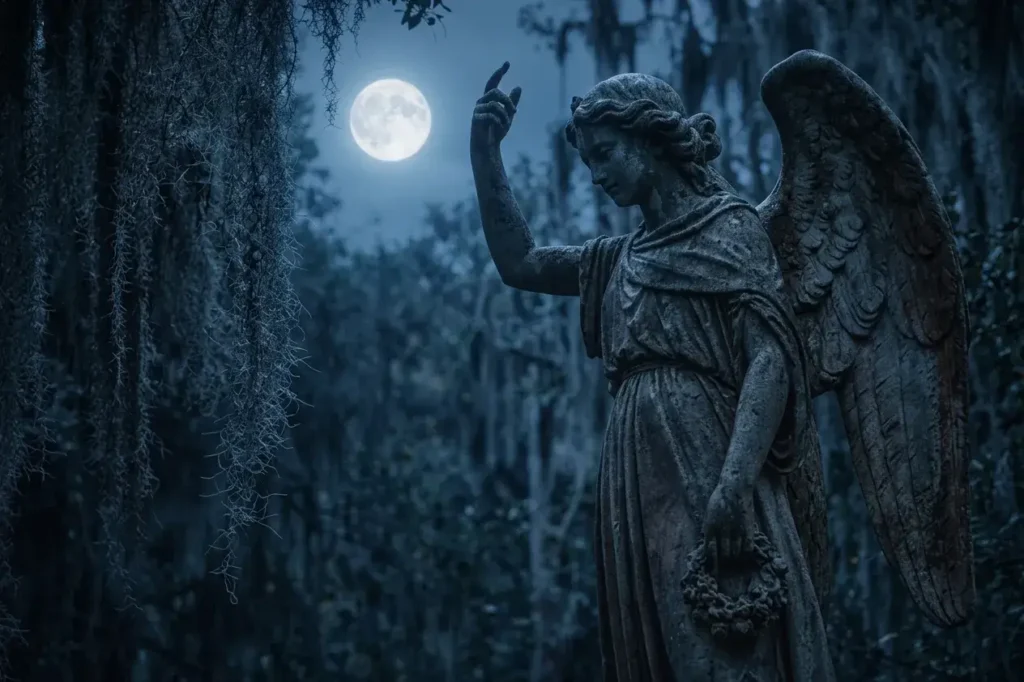
Bonaventure Cemetery after hours tours offer a different experience from regular daytime visits. These tours often focus on history, legends, folklore, and darker Savannah stories.
Some after hours experiences also explore Victorian mourning traditions and cemetery symbolism. Others place more emphasis on mysteries or paranormal themes.
Do not assume every night tour is a ghost tour. Read the description carefully before booking.
After hours experiences can also have different age recommendations. Some operators advise mature audiences because of the subject matter.
Check the date, meeting location, duration, and transportation details before booking. Regular cemetery visiting hours and private after hours experiences are not the same.
For travelers who enjoy Savannah’s darker history, an after hours tour can add a different side of Bonaventure Cemetery.
Bonaventure Cemetery Ghost and Haunted Tours
Bonaventure Cemetery has a strong connection to Savannah’s stories, legends, and darker history. However, not every cemetery tour is a ghost tour.
Some daytime tours focus mainly on documented history, notable residents, monuments, and funerary traditions. Other experiences add local legends, folklore, and paranormal stories to the tour.
If you are searching for a Bonaventure Cemetery ghost tour, check the tour description before booking. The word “ghost” can mean different things depending on the operator.
Are Bonaventure Cemetery Tours Actually Ghost Tours?
No. A standard Bonaventure Cemetery tour does not automatically mean a ghost tour.
Many guided tours focus on historical facts and the people buried at Bonaventure. Guides may discuss Victorian mourning customs, cemetery symbolism, architecture, famous residents, and Savannah history.
Some tours also include local legends and unexplained stories. These stories can add atmosphere without making paranormal claims the main focus.
After hours experiences usually provide more room for folklore and darker subjects. Some operators combine historical research with legends, mysteries, and paranormal storytelling.
The difference comes down to the tour’s purpose.
Historical tour: Focuses on documented people, events, cemetery history, and cultural traditions.
Folklore focused tour: Adds local legends and stories passed through Savannah’s history.
Ghost or haunted tour: Places greater emphasis on spirits, paranormal claims, supernatural stories, or reported encounters.
After hours tour: Takes place outside normal daytime sightseeing and may include history, folklore, or paranormal themes.
Before booking a Bonaventure Cemetery haunted tour, read what the operator actually promises. Look for details about the guide, tour length, subject matter, age recommendations, and start time.
If you want historical accuracy, choose a tour that clearly separates documented facts from legends. If you enjoy paranormal storytelling, an after hours experience may better match your expectations.
Bonaventure Cemetery is also an active cemetery. Visitors should treat graves, families, and memorial spaces with respect, regardless of the tour format.
Shannon Scott Bonaventure Cemetery Tours
Shannon Scott is a Savannah historian and storyteller who founded Shannon Scott Tours & Events in 2010. His company offers several cemetery experiences, including daytime, private, and after hours tours.
His Bonaventure tours focus on the people, history, symbolism, art, and stories connected to the cemetery. This makes the experience different from a simple walk through the grounds nd adds depth to popular Savannah GA attractions.
Who Is Shannon Scott?
Shannon Scott is a Savannah-based historian and storyteller. His tours focus heavily on local history and storytelling.
His Bonaventure experiences cover notable residents, cemetery traditions, sculpture, symbolism, and lesser known stories. Explore Georgia also lists both his daytime Bonaventure tour and Bonaventure After Hours experience.
Shannon Scott Bonaventure After Hours Tour
The Bonaventure Cemetery After Hours experience takes place after the cemetery closes to regular visitors. The current tour is listed as a two hour experience and is advised for guests aged 18 and older because of mature topics.
The experience combines local history, legends, Victorian burial traditions, cemetery symbolism, and stories about notable Savannah residents.
The format also uses lanterns and the nighttime setting as part of the experience. Current listings describe the tour as an after hours storytelling experience rather than a standard daytime cemetery visit.
What Is Shannon Scott’s Storytelling Approach?
The main difference is the emphasis on storytelling. Instead of simply pointing out graves, the tour connects people, places, history, and cemetery symbolism.
His after hours tour also includes legends and paranormal themes. These stories should be understood as folklore or storytelling rather than established historical fact.
This approach may appeal to visitors who want more context behind Bonaventure’s famous graves and monuments.
Who Is a Shannon Scott Bonaventure Tour Best For?
A Shannon Scott Bonaventure tour may suit travelers who enjoy:
Travelers mainly interested in a quick daytime overview may prefer a shorter standard tour instead.
How Does It Differ From Daytime Tours?
A regular daytime Bonaventure tour usually fits normal visiting hours and focuses on the cemetery’s history, notable residents, and physical features.
Shannon Scott’s After Hours experience adds a different setting and storytelling format. It takes place after public visiting hours and explores history, legends, symbolism, and mature subject matter.
Bonaventure Cemetery normally opens to visitors from 8 AM to 5 PM. Approved after hours activities require permission, so visitors should not enter the cemetery after closing on their own.
For travelers comparing Bonaventure Cemetery tours, the key difference is simple. Choose a daytime tour for a traditional historical visit. Choose Shannon Scott’s After Hours experience if you want a deeper storytelling format with darker themes and a nighttime setting.
Bonaventure Cemetery Free Tours and Admission
Bonaventure Cemetery does not charge an admission fee for regular visitors. You can enter during normal visiting hours and explore the cemetery on your own.
That does not mean every Bonaventure Cemetery tour is free. Private tour companies offer paid walking, golf cart, Segway, and other guided experiences.
The Bonaventure Historical Society also offers free guided tours on the second weekend of each month. These tours require a free ticket because space is limited.
Is Bonaventure Cemetery Free to Enter?
Yes. Bonaventure Cemetery is free to enter during its regular visiting hours.
The gates are open daily from 8:00 AM to 5:00 PM. The cemetery is open 365 days a year.
There is also free parking at the cemetery. Visitors can explore the grounds without buying a cemetery admission ticket.
This makes Bonaventure a useful option for travelers who want to explore Savannah without adding another admission cost.
You only need to pay if you choose a service or event that has its own fee.
Are There Free Guided Tours?
Yes. The Bonaventure Historical Society provides free guided tours on the second weekend of every month.
The tours are led by trained BHS guides and take about one hour. Starting in July 2026, the tours begin at 1 PM on both Saturday and Sunday.
A free tour still requires a reservation. BHS states that visitors must obtain a free ticket because tour space is limited.
This is different from simply entering the cemetery. You do not need a ticket to visit independently during regular hours.
The City of Savannah also confirms that the Bonaventure Historical Society offers free tours on the second weekend of each month.
Free Tour vs Paid Tour
The most important distinction is between free cemetery admission and paid commercial tours.
Option | Cost | What You Get |
|---|---|---|
Self guided visit | Free | Explore the cemetery at your own pace |
BHS monthly tour | Free | Guided historical tour with a trained volunteer guide |
Commercial walking tour | Paid | Professional guide and structured experience |
Golf cart tour | Paid | Guided sightseeing with less walking |
Specialized tour | Usually paid | A specific format or theme |
The free BHS tour can be a good choice if you want historical context without paying for a commercial tour. Availability is limited because the tours run on specific dates.
A paid tour can make more sense when you want a specific format. Examples include golf cart transportation, private guiding, or specialized storytelling.
The City of Savannah regulates commercial cemetery tours and requires applicable registration and fees from tour operators. Those operator fees should not be confused with an admission charge for visitors.
So, if you see a paid Bonaventure Cemetery tour, you are paying for the guide and tour service. You are not paying an entrance fee to the cemetery.
For budget travelers, the simplest option is to visit independently or reserve one of the Bonaventure Historical Society’s free monthly tours.
Bonaventure Cemetery Tickets, Prices and Reservations
No, you do not need a ticket to enter Bonaventure Cemetery during regular visiting hours. The cemetery is free to enter and is open daily from 8 AM to 5 PM.
Tickets apply to certain guided tours, not to general cemetery admission. The Bonaventure Historical Society offers free guided tours on selected dates, while private companies sell paid tour experiences.
Do You Need Tickets to Enter Bonaventure Cemetery?
No. Regular visitors can enter Bonaventure Cemetery without buying an admission ticket.
The cemetery is open to the public every day from 8 AM to 5 PM. Visitors can walk through the grounds, visit graves, and explore the cemetery independently.
This is important when comparing Bonaventure Cemetery tickets with tour prices. A paid tour price covers the tour service, not general admission to the cemetery.
Visitors should also leave before closing time. The City does not allow trespassing after hours. Approved after hours activities require permission.
How Much Do Bonaventure Cemetery Tours Cost?
There is no single price for Bonaventure Cemetery tours.
Commercial operators set their own prices based on the tour format and services provided. Walking tours, golf cart tours, transportation tours, private experiences, and after hours tours can have different prices.
The City of Savannah also charges applicable fees to tour operators. These are regulatory and cemetery activity fees, not visitor admission fees. For example, the 2026 city fee schedule lists tour and after hours fees for cemetery activities.
For this reason, check the operator’s current booking page for the exact price before reserving.
Do You Need a Reservation for a Bonaventure Tour?
It depends on the tour.
The Bonaventure Historical Society’s free guided tours require a free ticket because space is limited. Current BHS listings show specific monthly tour dates rather than daily guided tours.
Commercial tours normally use their own booking systems and reservation rules. Check the tour provider for available dates, meeting instructions, group limits, and payment terms.
Groups also have additional requirements. The City states that commercial tours and visiting groups of 10 or more must register in advance.
What Is Included in a Bonaventure Cemetery Tour?
Inclusions depend on the specific tour you choose.
A guided walking tour generally includes a guide and organized route through selected areas of the cemetery. Other experiences may include transportation, a golf cart, specialized storytelling, or after hours access.
Always check the booking description before paying. Look for:
Do not assume transportation or other extras are included simply because they appear in a tour’s title.
What Is Not Included?
Most cemetery visits do not require an admission payment. However, individual tour operators may charge separately for their services.
Items that may not be included can include transportation, gratuities, food, drinks, or optional activities. The exact inclusions depend on the provider.
For independent visits, you arrange your own transportation and choose your own route through the cemetery.
Can You Cancel a Bonaventure Cemetery Tour?
Cancellation policies depend on the tour company.
Free BHS tours have a different reservation system from paid commercial experiences. Paid tours may have their own cancellation deadlines, refund rules, and weather policies.
Always read the cancellation terms before completing a booking. This is especially important for visitors planning a tight Savannah itinerary.
What About Large Groups?
Groups of 10 or more have additional registration requirements when visiting City of Savannah cemeteries for tours or group activities. Commercial tours must also register with the Department of Cemeteries.
The City requires applicable registrations and fees before the activity takes place. After hours activities have additional requirements and fees.
If you are traveling with a large group, contact the tour provider and cemetery department before your visit.
The simple rule is this: Bonaventure Cemetery itself is free to enter, but guided tour services can cost money. Check the specific tour provider for current prices, availability, inclusions, and cancellation terms.
Bonaventure Cemetery Hours, Best Time and How Long to Visit
Planning the timing of your visit can make a big difference at Bonaventure Cemetery. The grounds cover more than 100 acres, so your visit length depends on how much you want to explore.
Bonaventure Cemetery Hours
Bonaventure Cemetery is open to visitors daily from 8:00 AM to 5:00 PM. These hours apply throughout the year.
Visitors must enter through the cemetery gates and leave before closing. The City does not allow regular visitors to remain inside after hours. Approved after hours activities require permission.
This means a normal self guided visit should be planned between 8 AM and 5 PM.
How Long Do You Need?
Your ideal visit length depends on your priorities.
1 hour: Good for a quick overview. You can see several notable graves and monuments without covering the entire cemetery.
2 hours: A better choice for most first time visitors. You have time to walk between important areas and pause at interesting monuments.
Half day: Useful for history enthusiasts and photographers. You can explore more sections at a slower pace and spend longer at specific graves.
Full visit: Best for visitors who want an extensive cemetery exploration. More than 100 acres can take considerable time to cover.
For most travelers, around two hours is a practical starting point. Add more time if you plan to photograph extensively or search for specific graves.
Best Time of Day
Morning: Morning is usually the easiest choice for a longer walking visit. Temperatures are generally lower than later in the day, which matters during Savannah’s warmer months.
Morning also gives you more time to explore before the 5 PM closing time.
Afternoon: Afternoon visits can work well during cooler months. During summer, however, heat can make a long cemetery walk more tiring.
If you visit in summer, consider starting earlier rather than planning your longest walking period around midday.
Evening and after hours: Regular visitors cannot stay after the 5 PM closing time. The City allows approved after hours activities under specific conditions.
Some commercial experiences use these approved after hours arrangements. Do not enter the cemetery after closing on your own.
Best Season to Visit
Spring: Spring can be a comfortable period for walking, although temperatures can rise quickly later in the season. Plan longer walks earlier in the day.
Summer: Summer requires the most preparation. Savannah regularly experiences hot and humid conditions, with frequent thunderstorms. Recent National Weather Service data recorded 31 days with temperatures of at least 90°F in July 2026.
Carry water and avoid scheduling your longest walking route during the hottest part of the day.
Fall: Fall can offer more comfortable conditions for walking as temperatures ease. Early fall can still feel hot, so check the forecast before your visit.
Winter: Winter is often a practical season for extended cemetery walks. Cooler temperatures can make it easier to spend several hours outdoors without the heat stress common in summer.
For the best balance of walking comfort and sightseeing time, fall, winter, and early spring are generally easier choices than the hottest part of summer.
Regardless of season, check the forecast before leaving. Rain and thunderstorms can quickly change walking conditions, especially on dirt and gravel paths.
What You’ll See on a Bonaventure Cemetery Tour
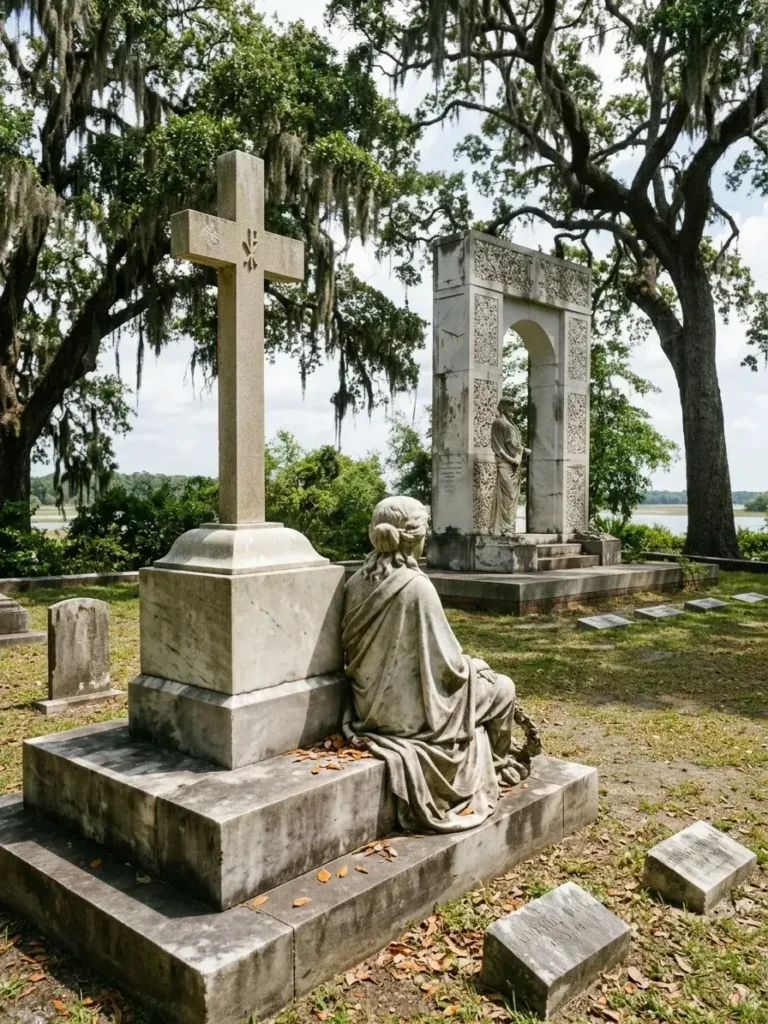
A Bonaventure Cemetery tour is about more than finding famous graves. The grounds combine historic burials, funerary art, monuments, mature trees, and river views.
The cemetery covers more than 100 acres along the Wilmington River. Its roads and paths pass through different sections with distinct memorials and landscapes.
Historic Graves
Historic graves are one of the main reasons visitors explore Bonaventure Cemetery.
The grounds contain the burial sites of notable Savannah residents, writers, politicians, military figures, and other community leaders.
Guides can add context that is difficult to find from a grave marker alone. They may explain the person’s role in Savannah history and their connection to other people buried nearby.
Some visitors arrive with specific graves in mind. The Bonaventure Historical Society provides resources that can help locate individual burial sites.
Victorian Funerary Art
Bonaventure is also known for its funerary art.
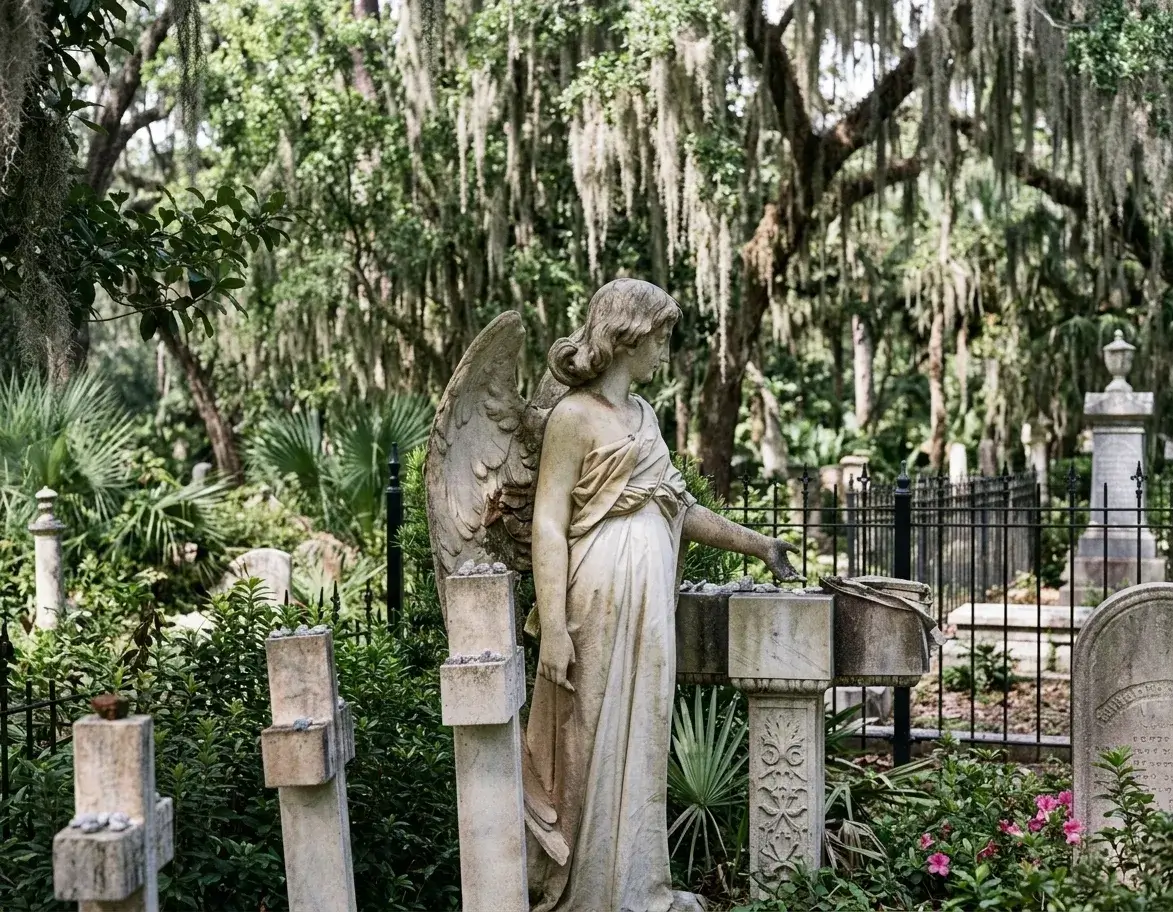
Visitors can see carved angels, crosses, urns, flowers, religious figures, and other decorative elements on graves and monuments.
Many memorials reflect Victorian attitudes toward death and mourning. Their designs can communicate ideas about faith, remembrance, grief, and eternal life.
A knowledgeable guide can explain these details and show how symbolism appears throughout the cemetery.
Mausoleums and Monuments
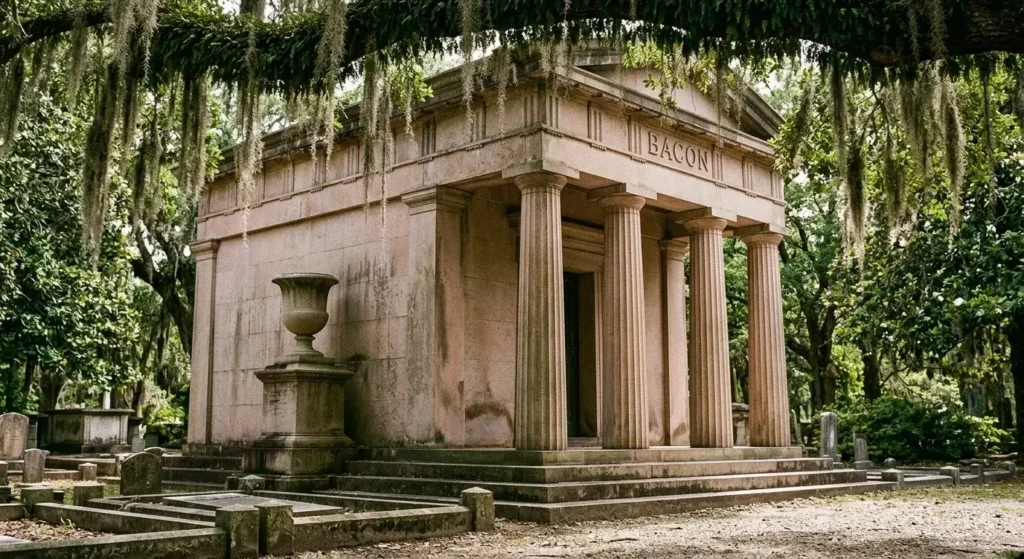
Mausoleums and large monuments add another architectural layer to the cemetery.
Some structures were built to commemorate prominent families or individuals. Others use sculpture and architectural details to create a lasting memorial.
Look closely at the inscriptions and decorative elements. Names, dates, family relationships, symbols, and materials can reveal more about the people being remembered.
You do not need to visit every section to appreciate these features. A well planned tour can focus on representative examples while leaving time for other areas.
Cemetery Symbols and Their Meanings
Cemetery symbols can provide clues about how people viewed death and remembrance.
Common elements include angels, crosses, lambs, flowers, columns, urns, and hands. Their meanings can vary based on the memorial, religious tradition, and historical period.
For example, an angel may represent spiritual guidance or resurrection. A broken column can symbolize a life cut short.
However, symbols should not be interpreted in isolation. A guide can explain the historical and religious context behind individual memorials.
This is one area where a guided tour can offer more value than simply walking through the grounds.
Live Oaks and Spanish Moss
The landscape is an important part of the Bonaventure experience.
Large live oak trees line many roads and provide shade across parts of the cemetery. Spanish moss hangs from many branches, creating the coastal Southern setting associated with the site.
The combination of trees, paths, monuments, and open spaces reflects the design of a garden cemetery.
The vegetation can also affect walking conditions. Shade varies by location, and summer heat can still be significant even under the trees.
Wilmington River
Bonaventure Cemetery sits on a bluff overlooking the Wilmington River.
The river helps explain the cemetery’s distinctive setting and adds open views beyond the memorial grounds.
Visitors can experience the contrast between the wooded cemetery interior and the river landscape along the site’s edge.
When planning a tour, remember that Bonaventure is an active cemetery as well as a historic attraction. Give funeral services, families, and burial areas appropriate space and respect.
Famous People Buried at Bonaventure Cemetery
Bonaventure Cemetery is known for its historic graves and notable residents. The City of Savannah specifically highlights the cemetery’s many notable people, sculpture, architecture, and folklore.
Several graves attract visitors because of their connections to Savannah’s literary, cultural, and political history.
Johnny Mercer
Johnny Mercer is one of Bonaventure Cemetery’s best known residents. His grave is located in Section H, at H 48, according to the Bonaventure Historical Society.
Mercer was a major lyricist associated with the Great American Songbook era. His gravesite is one of the locations commonly highlighted during visits to the cemetery.
The official cemetery map also identifies Johnny Mercer Lane in the historic section.
If you are interested in Savannah’s musical history, his gravesite is worth adding to your route.
Gracie Watson
Gracie Watson is one of the most recognizable graves at Bonaventure Cemetery.
Known as Little Gracie, she died at six years old and is buried in Section E, at E 98. The Bonaventure Historical Society documents her burial and the history surrounding her famous monument.
Her monument became especially well known because of its detailed likeness. Over the years, Gracie’s gravesite also became associated with local stories and visitor traditions.
The site remains one of the cemetery’s most visited locations. BHS lists Little Gracie as the most popular gravesite in the historic section.
Conrad Aiken
Conrad Aiken is another important literary figure associated with Bonaventure Cemetery.
Aiken was a Savannah born writer and poet whose work forms part of the city’s literary heritage. The City of Savannah recognizes his importance through its educational programming, including a presentation focused on his life and literary legacy.
His grave is also a recognized location within Bonaventure Cemetery. The cemetery map identifies Aiken Lane in the grounds.
Visitors interested in Savannah’s literary history will often include Aiken among the cemetery’s notable residents.
Edward Telfair
Edward Telfair is another historic figure connected with Bonaventure Cemetery.
Telfair was a prominent Georgia political figure and served as governor of Georgia. His connection to Savannah history also links Bonaventure with the city’s broader political and civic past.
Visitors should distinguish his historical importance from the stories and legends sometimes associated with cemetery tours. A guided visit can provide useful context about the people, families, and periods represented by the graves.
Other Notable Residents
Johnny Mercer, Gracie Watson, and Conrad Aiken are only a few of the people visitors may encounter at Bonaventure.
The cemetery also contains graves and memorials connected with military veterans, civic leaders, artists, writers, and other Savannah residents. BHS notes more than 3,400 veterans buried or memorialized across the cemetery’s roughly 103 acres.
The cemetery also contains a large number of Confederate graves and a dedicated area connected with Spanish American War casualties.
Because Bonaventure contains more than 100 acres, finding specific graves can take time. The cemetery provides maps and grave finding resources to help visitors locate people and sections.
If you want to visit specific residents, plan your route before arriving. This is especially useful when your visit lasts only one or two hours.
Bonaventure Cemetery, Bird Girl and Midnight in the Garden of Good and Evil
Bonaventure Cemetery became internationally recognizable after appearing in the story and imagery surrounding Midnight in the Garden of Good and Evil.
The connection is especially strong because the cemetery was the original home of the Bird Girl sculpture. Photographer Jack Leigh photographed the statue there for the cover of John Berendt’s 1994 book.
Is the Bird Girl Statue Still at Bonaventure Cemetery?
No. The Bird Girl statue is no longer at Bonaventure Cemetery.
The bronze sculpture was created by artist Sylvia Shaw Judson in 1936. One casting was later placed at a family plot in Bonaventure Cemetery.
After Midnight in the Garden of Good and Evil became popular, large numbers of visitors came to see the statue. The resulting foot traffic threatened the cemetery plot, so the sculpture was removed for safekeeping.
The original Bird Girl is now displayed at the Telfair Academy in Savannah. Telfair Museums currently lists the sculpture as available to visitors Tuesday through Sunday from 10 AM to 5 PM.
So, if seeing Bird Girl is part of your Savannah itinerary, do not expect to find the original statue inside Bonaventure Cemetery.
What Is the Connection to Midnight in the Garden of Good and Evil?
The connection began with John Berendt’s bestselling 1994 book, Midnight in the Garden of Good and Evil.
In 1993, Berendt recommended Savannah photographer Jack Leigh to Random House for the book’s cover image. Leigh worked in Bonaventure Cemetery and photographed Bird Girl as evening approached.
The resulting photograph became one of the most recognizable images associated with the book. Its success also helped draw international attention to Bonaventure Cemetery and Savannah.
The cemetery also connects directly to the book’s setting and characters. This is one reason some Bonaventure tours include references to the novel alongside documented cemetery history.
It is useful to separate the two. The book is a work of narrative nonfiction, while individual cemetery stories and local legends may have different levels of historical documentation.
Why Does the Cemetery Appear in Savannah Literature?
Bonaventure’s literary reputation comes from more than one book.
The cemetery has long attracted writers, photographers, artists, and visitors because of its historic graves, funerary sculpture, mature trees, and distinctive landscape. Telfair Museums notes that Bonaventure appears in twentieth century artwork and photography by several artists, including Edward Weston and Jack Leigh.
Midnight in the Garden of Good and Evil brought this setting to a much larger audience. The book connected Savannah’s people, places, history, and darker stories with the cemetery’s distinctive visual character.
That combination helped strengthen Bonaventure’s association with Southern Gothic themes. The term fits the broader literary atmosphere of the region, but it should not be treated as an official classification of the cemetery itself.
Today, visitors can experience the connection in two different places. Visit Bonaventure Cemetery to see the original setting and graves connected with Savannah’s history. Visit Telfair Academy to see the original Bird Girl sculpture.
Is Bonaventure Cemetery Accessible?
Bonaventure Cemetery is partly accessible, but visitors should not expect every path to be wheelchair friendly. Major roads are paved, while many cemetery paths are dirt or gravel.
If you have limited mobility, plan your route before arriving. A golf cart tour can also reduce the amount of walking required.
Wheelchair Accessibility
Bonaventure Cemetery has some paved roads and sidewalks in certain areas. However, the Bonaventure Historical Society states that most paths are dirt and gravel. These surfaces may be difficult to navigate with a wheelchair.
Accessibility can also vary by section. Some areas are easier to reach by vehicle than others.
If wheelchair access is important, contact your tour provider before booking. Ask which parts of the route are accessible and whether boarding assistance is available.
Do not assume that a tour labeled accessible provides access to every cemetery path.
Gravel and Uneven Paths
Most cemetery paths are not fully paved. Dirt, gravel, and uneven surfaces can make walking or wheelchair use more challenging.
Comfortable shoes are recommended by the Bonaventure Historical Society. The Society also recommends water during spring, summer, and fall.
After rain, unpaved areas may become less comfortable to navigate. Weather and cemetery activity can also affect access to individual sections.
If you have mobility limitations, focus on the paved roads and confirm your preferred route in advance.
Golf Cart Tours for Limited Mobility
A golf cart tour can be a practical alternative when walking long distances is difficult.
Some commercial tours are designed to cover a large portion of the cemetery by vehicle. Savannah Cruzers, for example, states that its cemetery tour generally keeps guests on the golf cart throughout the one hour experience.
This can reduce the physical effort required to move between distant sections.
However, golf cart tours are not automatically suitable for every wheelchair user. Vehicle design, boarding arrangements, and wheelchair storage can vary.
Contact the operator before booking if you need specific accessibility accommodations.
Seniors and Visitors Who Prefer Less Walking
Seniors and visitors who tire easily may find a vehicle based tour more comfortable than a long walking route.
Bonaventure covers more than 100 acres, so walking between widely separated locations can take time.
A golf cart tour lets you see more of the cemetery while spending less time walking between stops.
Independent visitors can also drive through much of Bonaventure. The Historical Society notes that most of the cemetery is accessible by car, although some sections can only be explored on foot.
For the easiest visit, choose a route that matches your mobility rather than trying to cover the entire cemetery.
Accessibility tip: If anyone in your group uses a wheelchair, walker, or has difficulty with uneven ground, contact the tour operator before booking. Ask about the exact route, vehicle access, and opportunities to stop without walking far.
Photography at Bonaventure Cemetery
Bonaventure Cemetery offers plenty of subjects for casual and serious photography. Live oaks, Spanish moss, sculptures, monuments, mausoleums, and river views create varied compositions, making it one of the most unique Savannah GA photography spots.
Photography is allowed for personal use from the cemetery pathways. However, cemetery plots are private property and should not be entered for a better photo.
Is Photography Allowed?
Yes. Personal photography is allowed at Bonaventure Cemetery.
The Bonaventure Historical Society asks visitors to take photographs from the pathways. Do not enter private burial plots or touch monuments, stonework, or ironwork.
Professional photography and commercial filming have different requirements. The City of Savannah requires registration for photography and filming activities in its municipal cemeteries.
The 2026 city fee schedule also lists a separate after hours photography fee.
If you are planning a professional shoot, contact the Department of Cemeteries before your visit.
Best Areas for Photography
The tree lined roads are a natural starting point for photography. Large live oaks and Spanish moss create strong backgrounds and framing opportunities.
The cemetery’s sculptures and monuments provide another set of subjects. Look for different angles rather than stepping into private plots.
Mausoleums can also provide architectural details, inscriptions, and symmetrical compositions. Use the pathway as your shooting position.
The Wilmington River adds a different landscape element. Its open views contrast with the shaded interior of the cemetery.
You can also photograph the overall landscape rather than focusing on individual graves. This approach helps preserve the respectful atmosphere of an active cemetery.
Best Time for Photos
Morning: Early visits can provide softer light and cooler conditions. Morning is also useful if you want longer walking sessions.
Afternoon: Afternoon light can work well for details on monuments and sculptures. Summer heat can make extended photography less comfortable, however.
Late afternoon: Lower sun can create longer shadows around trees and monuments. Leave enough time to exit before the cemetery closes at 5 PM.
After hours: Do not stay inside after closing for personal photography. Approved after hours photography requires registration and applicable fees.
Walking Tour vs Self Guided for Photographers
A self guided visit usually gives photographers the most control. You can stop when the light changes and spend extra time composing individual shots.
A walking tour can be better if you want historical context while photographing. A guide may point out notable sculptures, graves, and stories that you might otherwise miss.
The tradeoff is time. A scheduled group tour follows its own pace, so you may not be able to wait for the perfect composition.
For dedicated photography, self guided exploration is usually the more flexible choice. For learning the cemetery’s history while taking photos, a walking tour can provide more context.
Whatever format you choose, stay on designated pathways and respect private burial plots. Bonaventure remains an active cemetery, so photography should never interfere with funerals or visitors paying their respects.
Bonaventure Cemetery Rules & Etiquette
Bonaventure Cemetery is an active cemetery and a place of remembrance. Visitors should treat graves, families, and memorial services with care. The City of Savannah and Bonaventure Historical Society provide specific rules for visitors.
Stay on Appropriate Paths
Stay on public pathways and designated areas while exploring. Cemetery plots are private property, even though the City owns the cemetery grounds.
Do not walk across burial plots to reach a monument or take a closer photograph. Use your camera’s zoom instead.
Respect Graves and Memorials
Treat every grave and memorial as private and meaningful. Do not sit, lean, touch, or climb on monuments, markers, statues, or other cemetery structures.
Never add items to a monument or remove anything from it. The Bonaventure Historical Society specifically asks visitors not to place rocks on stones unless they are following an appropriate Jewish memorial tradition.These rules apply across all local historic sites, including the Savannah Historic District.
Keep Noise Down
Bonaventure is not a place for loud conversations, music, games, or horseplay. Keep your voice low and maintain a respectful atmosphere.
The City prohibits loud conversation and noise making devices without permission.
Respect Funerals
Funeral services always take priority over tours and sightseeing.
If you see a hearse, funeral vehicles, or a gathering around an open grave, give the family plenty of space. Move away from the area and keep quiet. Do not photograph or approach the service. Tours may also be required to leave areas where services are taking place.
Follow Photography Etiquette
Personal photography is allowed from cemetery pathways. Avoid entering private plots for a better angle.
Do not touch monuments, ironwork, or stonework while taking photographs. If you plan professional photography or commercial filming, check the City’s registration and permission requirements first.
Leave Memorials Undisturbed
Do not move flowers, decorations, stones, or other memorial items. Never remove objects from graves or monuments as souvenirs.
Also avoid rubbing or tracing inscriptions. Monument and headstone rubbings require written consent from the family that owns the monument.
Practice Good Pet Etiquette
Dogs are welcome at Bonaventure Cemetery when properly controlled. Keep pets firmly on a leash and stay with them on public pathways.
Keep pets out of burial plots and clean up after them. Owners are responsible for preventing their animals from damaging cemetery property.
The Simple Rule to Remember
Explore with your eyes, stay on the paths, keep your voice low, and leave every memorial exactly as you found it.
That approach lets you enjoy Bonaventure Cemetery while respecting the people and families who still use it as a place of remembrance.
Can You Visit Bonaventure Cemetery Without a Tour?
Yes. You can visit Bonaventure Cemetery without booking a tour.
Bonaventure Cemetery is free to enter and is open daily from 8 AM to 5 PM. No ticket is required for general admission. You can walk through the grounds on your own, visit graves, and explore the cemetery at your own pace during regular visiting hours.
Free Entry
Regular visitors do not pay an admission fee to enter Bonaventure Cemetery. The City of Savannah owns and operates the cemetery and allows public access during posted hours. Paid fees apply only to guided tour services, commercial activities, and approved after hours activities, not to independent daytime visits.
Self-Guided Route
Without a guide, you set your own route through the cemetery’s more than 100 acres along the Wilmington River. Stick to public pathways and designated roads, as burial plots are private property. Drive slowly, follow posted rules, and give funeral services plenty of space.
A self-guided visit gives you flexibility to focus on what interests you most, whether that is historic graves, Victorian funerary art, mausoleums, live oaks with Spanish moss, or river views.
Map
The cemetery provides an official map and grave finding resources to help you locate sections and notable residents. Key landmarks like Johnny Mercer Lane and Aiken Lane are marked, and the Bonaventure Historical Society documents specific locations such as Johnny Mercer at Section H 48 and Gracie Watson at Section E 98.
Download or pick up a map before you arrive and plan your route in advance. This is especially helpful if you only have one to two hours and want to find specific graves.
Time Required
Most first-time visitors spend around two hours. One hour is enough for a quick overview of a few notable graves and monuments. A half day suits history enthusiasts and photographers who want to explore at a slower pace. The grounds are extensive, so allow extra time if you plan to search for specific burial sites or photograph extensively.
What You May Miss Without a Guide
You can see the landscape and monuments on your own, but a guide adds context that is difficult to get from a marker alone. Without a tour, you may miss the historical background of prominent families, the meaning behind Victorian funerary symbols like angels, broken columns, lambs, and urns, and the stories that connect graves across different sections.
Guides can also explain the cemetery’s literary connections, including its association with Midnight in the Garden of Good and Evil and the original location of the Bird Girl sculpture, now housed at Telfair Academy. For visitors who want deeper historical and symbolic interpretation, a guided walking tour or golf cart tour offers more value than a self-guided walk.