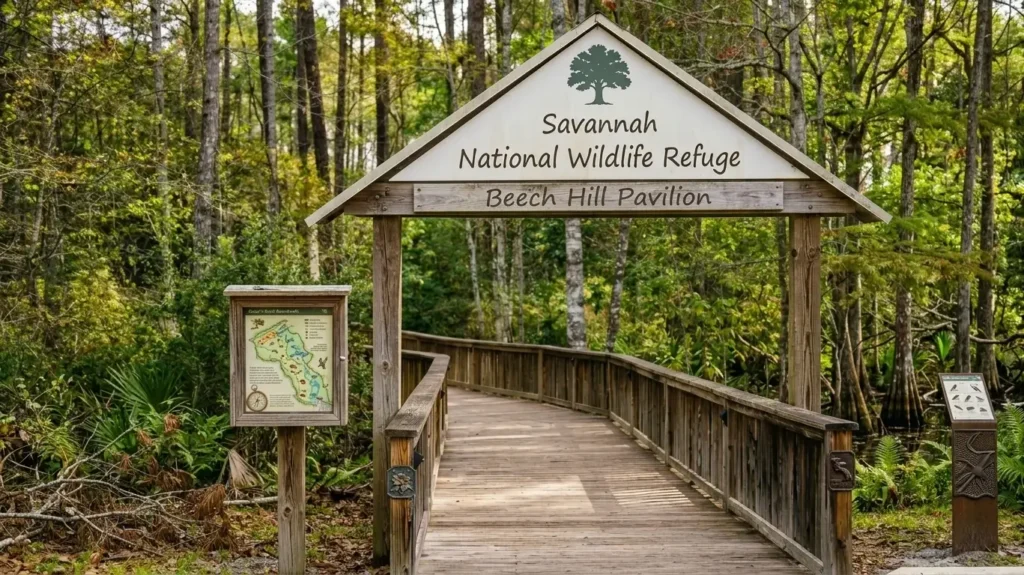
Wildlife Refuge Savannah: Complete Guide to Animals, Trails & Wildlife Drive
If you are looking for a wildlife refuge in Savannah, start with Savannah National Wildlife Refuge. It is the main wildlife refuge near Savannah, Georgia, for seeing native wildlife in a natural setting. The refuge covers more than 30,000 acres across Georgia and South Carolina. The Savannah River divides the refuge between the two states.
The refuge is known for its wetlands, freshwater marshes, hardwood forests, and wildlife habitat. Visitors can drive the 4.5 mile Laurel Hill Wildlife Drive, watch birds, hike trails, take photographs, fish, and enjoy wildlife viewing. American alligators, bald eagles, wood ducks, wading birds, and other species live in or visit the refuge.
One detail often causes confusion. Savannah National Wildlife Refuge is not a downtown Savannah attraction. Its main Visitor Center is in Hardeeville, South Carolina, while Laurel Hill Wildlife Drive is a separate location. The refuge has no entrance fee, and the wildlife drive and refuge trails are open daily from sunrise to sunset unless posted otherwise.
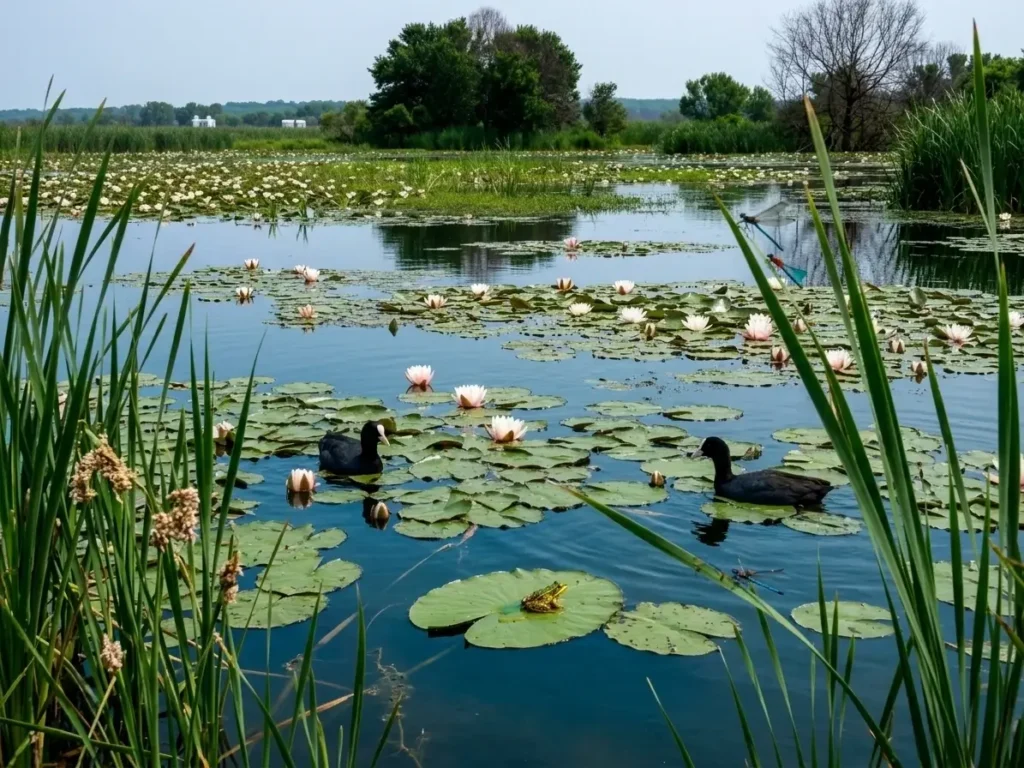
What Is Savannah National Wildlife Refuge?
The wildlife refuge Savannah visitors often choose for wild animals and birdwatching is Savannah National Wildlife Refuge. It is a protected wildlife area along the Savannah River, managed by the U.S. Fish & Wildlife Service.
The refuge covers more than 30,000 acres across coastal Georgia and South Carolina. Its wetlands, freshwater marshes, forests, and managed impoundments support a large variety of wildlife.
Visitors come for wildlife viewing, birding, photography, hiking, fishing, and hunting. The Laurel Hill Wildlife Drive provides one of the easiest ways to explore the refuge.
The U.S. Fish & Wildlife Service manages the refuge as part of the National Wildlife Refuge System. Its land includes freshwater marshes and bottomland hardwood forests. These habitats support birds, mammals, reptiles, amphibians, and fish.
The refuge began in 1927 as a sanctuary for migratory birds. Wintering waterfowl were a major reason for its creation. Today, the refuge protects a much larger mix of habitats and native wildlife.
The Savannah River forms a key part of this ecosystem. It also separates the refuge’s Georgia and South Carolina lands. This location gives the refuge an important role in coastal wildlife conservation.
For visitors, the refuge offers more than wildlife habitat. You can explore trails, watch birds, photograph wildlife, and drive the 4.5 mile Laurel Hill Wildlife Drive. Fishing and hunting are also allowed in designated areas under refuge rules.
Why Is Savannah National Wildlife Refuge Important?
Savannah National Wildlife Refuge protects one of the region’s important wetland systems. Its freshwater marshes provide food, shelter, and breeding areas for many species.
The refuge also sits along the Atlantic Flyway. This major migration route brings many birds through coastal Georgia and South Carolina. Savannah NWR provides habitat for these migrating birds during their journeys.
Its managed freshwater impoundments are especially important for waterfowl. The refuge maintains about 3,000 acres across 17 water controlled impoundments. These areas provide winter habitat for an average of 25,000 ducks each year.
The refuge also supports species that need protected habitat. These include wood storks, shortnose sturgeon, and manatees. Other notable species include wood ducks, bald eagles, purple gallinules, and swallow tailed kites.
This conservation work goes beyond protecting individual animals. The U.S. Fish & Wildlife Service manages wetlands, forests, waterways, and other habitats together. This approach helps support native wildlife and threatened or endangered species.
For travelers, that means you are visiting a working wildlife refuge. You are not walking through a zoo or a controlled animal park. Wildlife lives here in its natural habitat, so sightings can change with the season, weather, and conditions.
Where Is the Wildlife Refuge Near Savannah, GA?
The wildlife refuge Savannah visitors can explore is spread across coastal Georgia and South Carolina along the Savannah River. The main refuge area is northwest of downtown Savannah, while the Visitor Center is in Hardeeville, South Carolina.
The main Visitor Center is located at 694 Beech Hill Lane, Hardeeville, SC 29927.
The refuge sits close to Savannah and the South Carolina Lowcountry. This makes it an easy day trip for visitors staying in Savannah. The exact drive time depends on your starting point and traffic.
One important detail can save you a wrong turn. The Visitor Center and Laurel Hill Wildlife Drive are separate locations. The wildlife drive is the main area for viewing wildlife. The Visitor Center is useful for maps, information, and planning your visit.
The refuge extends across the Savannah River between Georgia and South Carolina. Nearby communities include Hardeeville, Port Wentworth, and Savannah. Its location also places it within an important coastal wildlife corridor.
If your main goal is wildlife viewing, check your route before leaving Savannah. Do not assume that entering the Visitor Center address will take you to the wildlife drive.
Savannah National Wildlife Refuge Address
The current official address for the Savannah National Wildlife Refuge Visitor Center is:
694 Beech Hill Lane
Hardeeville, SC 29927
This address is for the Visitor Center and Savannah Coastal Refuges Complex headquarters. It is not the address for Laurel Hill Wildlife Drive.
The Visitor Center currently operates Monday through Friday from 10:00 AM to 2:00 PM, except federal holidays. Refuge trails and Laurel Hill Wildlife Drive have different access hours. They are open daily from sunrise to sunset unless posted otherwise.
If you plan to visit outside Visitor Center hours, you can still use the refuge’s open areas. Check current refuge notices before your trip because temporary closures can occur.
Visitor Center vs. Laurel Hill Wildlife Drive
The easiest way to avoid confusion is to treat these as two different destinations.
Visitor Center:
The Visitor Center is at 694 Beech Hill Lane in Hardeeville, South Carolina. It provides visitor information and access to refuge resources. It is also the headquarters for the Savannah Coastal Refuges Complex.
Laurel Hill Wildlife Drive:
Laurel Hill Wildlife Drive is the refuge’s main wildlife viewing area. The drive covers 4.5 miles through the refuge’s freshwater habitat. It is open daily from sunrise to sunset unless officials post different hours.
The two locations are about 3 miles apart by road. The route uses two highways, so they are not simply two entrances to the same parking area.
If you want maps, visitor information, or help planning, start with the Visitor Center.
If you want wildlife viewing and the scenic drive, plan for Laurel Hill Wildlife Drive.
This difference also matters if you use Uber or Lyft. The refuge warns visitors against relying on rideshare services. You could reach the Visitor Center without having transportation to Laurel Hill Wildlife Drive. Cell service can also be poor in the area.
For most first time visitors focused on wildlife, Laurel Hill Wildlife Drive should be the main destination you plan around.
How to Get to Savannah National Wildlife Refuge
Getting to Savannah National Wildlife Refuge is easiest by car. The refuge spreads across Georgia and South Carolina, so your route depends on which area you want to visit. For most visitors, Laurel Hill Wildlife Drive is the main destination for wildlife viewing. It sits off South Carolina Highway 170.
From Savannah, the drive takes you toward Port Wentworth and the South Carolina border. From Hardeeville, you can reach the refuge through US 17 and SC 170. Drivers coming from I 95 have two practical approaches, depending on their direction.
Before leaving, confirm which destination you need. The Visitor Center and Laurel Hill Wildlife Drive are separate locations. Driving to the Visitor Center does not put you at the wildlife drive.
From Downtown Savannah
From downtown Savannah, head northwest toward Port Wentworth. Continue toward US 17 and SC 170 near the refuge.
The Laurel Hill Wildlife Drive entrance sits along SC 170. Follow refuge signs once you reach the wildlife drive area. The drive itself is 4.5 miles long and opens from sunrise to sunset unless posted otherwise.
If you want to visit the Visitor Center first, use 694 Beech Hill Lane, Hardeeville, SC 29927 in your GPS. This address takes you to the Visitor Center, not Laurel Hill Wildlife Drive.
From I 95
I 95 provides two useful approaches to Savannah National Wildlife Refuge.
If you are coming from the north, take I 95 Exit 5 near Hardeeville. Follow US 17 south toward the refuge. Then turn onto SC 170 toward the wildlife drive area. Recreation.gov lists the refuge as about six miles south of Hardeeville through this route.
If you are coming from the south, use I 95 Exit 109 near Port Wentworth. Continue through the local highway network toward GA 25 and SC 170. This approach brings you toward the refuge from the Savannah side.
The route can look confusing on some mapping apps. The refuge covers a large area, and several roads pass around its boundaries. Check your final destination before starting the drive.
From Hilton Head and Bluffton
Visitors staying in Hilton Head or Bluffton can reach Savannah National Wildlife Refuge by driving toward Hardeeville.
From Bluffton, follow the main road network toward US 17 and Hardeeville. Continue south toward SC 170 and follow signs for the refuge area.
From Hilton Head Island, cross toward the mainland and continue through the Bluffton and Hardeeville area. Your route will depend on your starting point and traffic.
Laurel Hill Wildlife Drive is on SC 170. It is the location to choose when wildlife viewing is your main goal.
Can You Get There Without a Car?
You can reach the Savannah area without renting a car, but the refuge presents a transportation problem. Most visitors will find a personal or rental car much easier.
The U.S. Fish & Wildlife Service specifically advises against using Uber or Lyft for refuge visits. Many refuge areas require you to drive between locations. Cell service can also be poor in the area.
This matters because the Visitor Center sits about three miles by road from Laurel Hill Wildlife Drive. If a rideshare driver drops you at the Visitor Center, you may have no way to reach the wildlife drive. You could also have trouble requesting another ride afterward.
A rental car is the better choice if you are visiting Savannah without your own vehicle. A taxi may work for part of the trip, but you should confirm the return plan before leaving.
For most travelers, the simplest setup is a car, a charged phone, and an offline map. Do not depend on mobile service once you enter less developed refuge areas.
If wildlife viewing is your main goal, enter Laurel Hill Wildlife Drive as your destination. Use the Visitor Center address only when you specifically want to visit the Visitor Center.
Laurel Hill Wildlife Drive
Laurel Hill Wildlife Drive is one of the best ways to experience the wildlife refuge Savannah visitors come to explore. The 4.5 mile route passes through freshwater wetlands and managed wildlife habitat.
The drive works well for first time visitors because you can explore at your own pace. You can stop at suitable areas and watch wildlife from your vehicle. You should stay on the designated drive and follow posted refuge rules.
How Long Is Laurel Hill Wildlife Drive?
Laurel Hill Wildlife Drive is 4.5 miles long. The route runs through freshwater impoundments and other refuge habitats. These areas attract waterfowl, wading birds, alligators, and other wildlife.
The route is short enough for a simple wildlife outing. However, the total visit can take much longer than the driving distance suggests.
How Long Does the Wildlife Drive Take?
The refuge does not publish a fixed time for completing Laurel Hill Wildlife Drive. Your visit depends on wildlife activity, stops, photography, and walking.
For basic planning, allow about one hour for a quick drive with limited stops. Allow around two hours if you want more wildlife watching and photo stops.
Birders and photographers may want to stay longer. Wildlife sightings can change throughout the day, so there is no guaranteed viewing time.
These time estimates are visitor planning guidance, not official drive times from the U.S. Fish & Wildlife Service.
What Can You See Along the Wildlife Drive?
American alligators are one of the main animals visitors look for here. The U.S. Fish & Wildlife Service reports frequent alligator sightings along the Laurel Hill area. Some visitors have reported seeing more than 25 during one visit.
The wetlands also attract many birds throughout the year. You may see herons, egrets, ibises, ducks, and other wading or marsh birds. Waterfowl become especially important during the cooler months.
Turtles and other reptiles also live around the refuge waterways. Mammals include deer, raccoons, river otters, armadillos, and other native species. Sightings depend on season, weather, and animal activity.
Bring binoculars if you enjoy birdwatching. A camera with a zoom lens can also help you observe animals from a safe distance.
Can You Get Out of Your Car?
Yes, but you need to follow the refuge’s designated access areas and posted rules. Cars must remain on the wildlife drive. Hikers and bicyclists should stay on marked trails.
Do not approach wildlife when you stop. Feeding, capturing, or harassing animals is prohibited. Seasonal closures can also restrict access to certain areas. Always follow signs marked for closed areas.
Keep extra distance from American alligators. These are wild animals, not exhibit animals. Never try to feed one or move closer for a photograph.
Is the Wildlife Drive Suitable for Families?
Yes, Laurel Hill Wildlife Drive can work well for families. You can see wildlife without committing to several miles of hiking. Children can watch for alligators, birds, turtles, and other animals from the vehicle.
The drive also lets families control their own pace. You can spend more time at areas with active wildlife. You can also leave when younger children become tired.
Bring water, sun protection, and insect repellent during warmer months. The refuge has ticks and other outdoor hazards, so children should stay close to adults.
For families with limited time, the wildlife drive is often the easiest way to experience Savannah National Wildlife Refuge. It gives you a real wildlife setting without requiring a long trail hike.
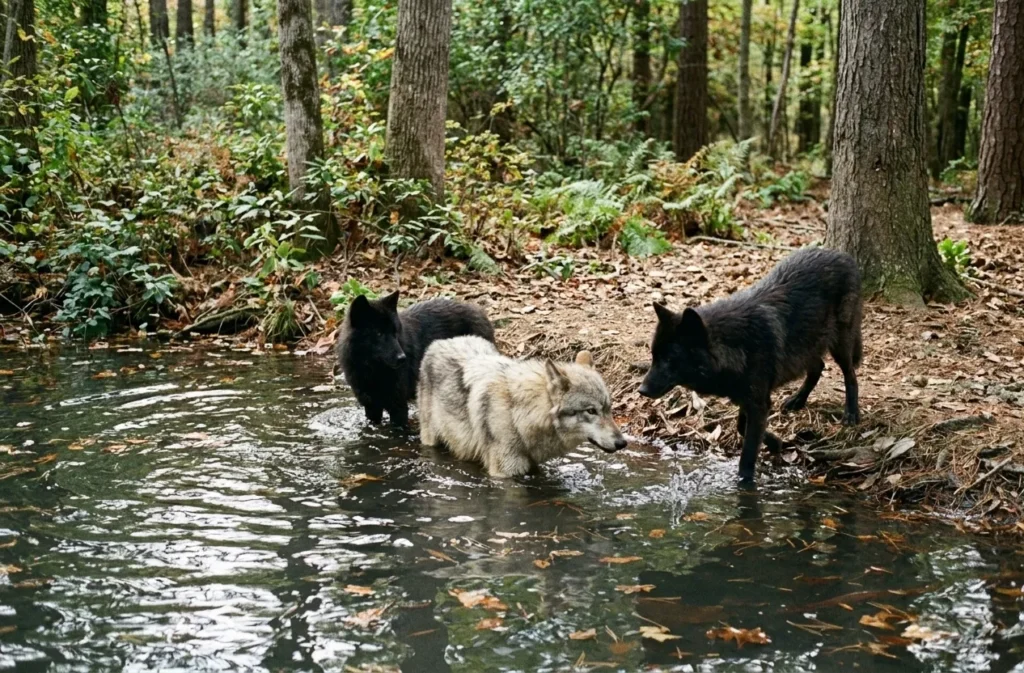
What Animals Can You See at Savannah National Wildlife Refuge?
The wildlife refuge Savannah visitors explore is home to a wide range of native animals. You may see American alligators, bald eagles, wading birds, ducks, turtles, deer, river otters, raccoons, and armadillos..
The refuge has freshwater marshes, impoundments, forests, and waterways. These habitats support both resident species and migratory birds. Fall, winter, and spring often offer strong wildlife viewing opportunities.
Do not expect to see every animal during one visit. The refuge protects wild habitat, so sightings depend on natural conditions.
American Alligators
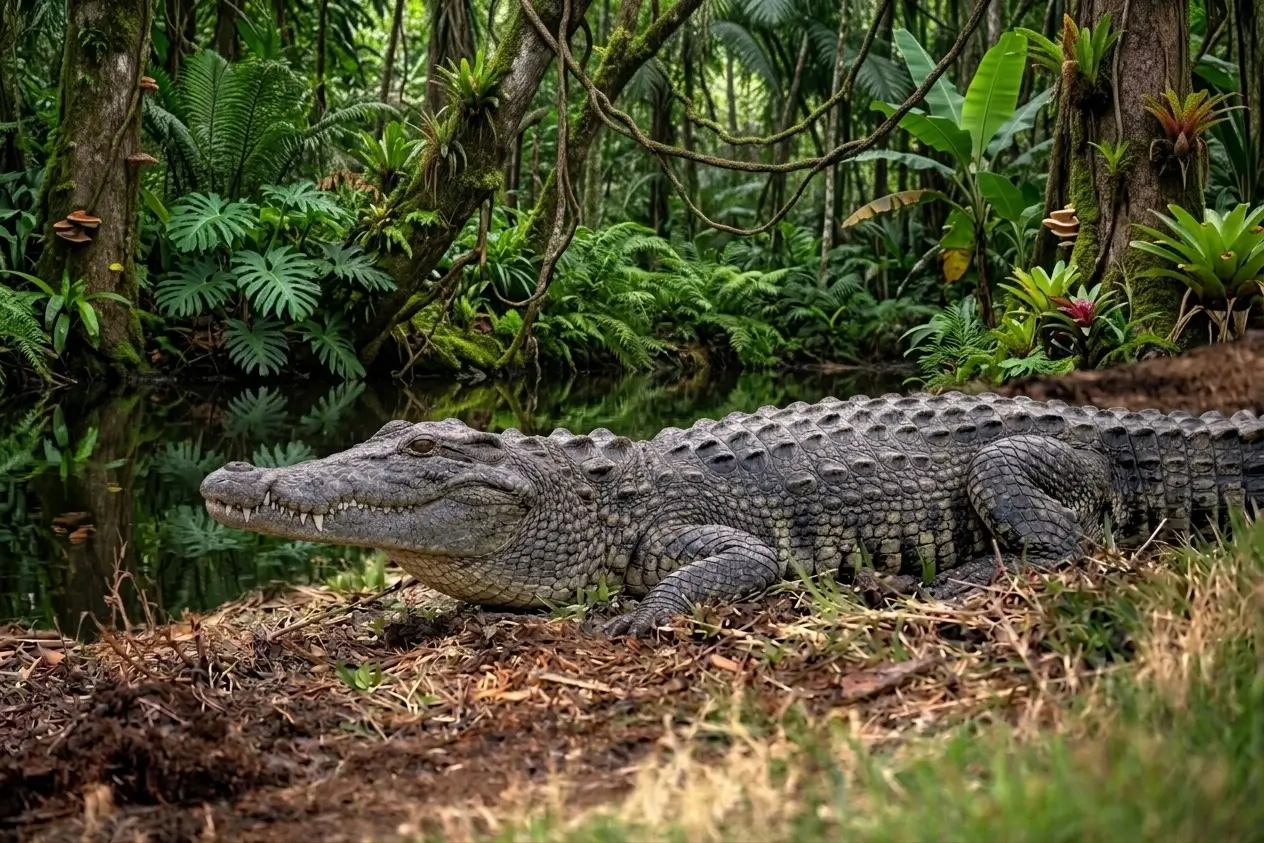
American alligators are among the most noticeable animals at Savannah National Wildlife Refuge. You may spot them in ponds, marshes, and other freshwater areas.
The U.S. Fish & Wildlife Service reports that visitors have seen more than 25 alligators during one visit. That does not mean every visitor will see the same number. Wildlife activity changes throughout the year.
Warm weather can make alligators easier to spot. They may rest near the water’s edge or bask in sunny areas. During hot summer days, some may stay submerged in refuge waterways.
Keep a safe distance whenever you see an alligator. Never feed one or approach it for a closer photograph. Refuge rules prohibit feeding, capturing, or harassing wildlife.
Birds and Waterfowl
Birdwatching is one of the strongest reasons to visit Savannah National Wildlife Refuge. The refuge sits along the Atlantic Flyway and provides habitat for resident and migratory birds.
You may see wood ducks, bald eagles, anhingas, purple gallinules, wood storks, and many wading birds. Herons, egrets, ibises, and other marsh birds also use the refuge wetlands.
Wood ducks use the refuge for nesting, especially from late winter onward. Bald eagles also use the refuge as nesting habitat. Purple gallinules become easier to find during summer.
Migratory birds add another layer to the experience. Spring and fall bring different species through the refuge. Winter also brings large numbers of waterfowl to the freshwater impoundments.
Birders may also spot warblers during migration. The Kingfisher Pond area provides woodland habitat for species such as prothonotary warblers and American redstarts.
Bring binoculars if birds are your main interest. Many species stay far enough away that binoculars give you a better view.
Other Wildlife
Birds and alligators get much of the attention, but they are not the only animals here. The refuge also supports many mammals, reptiles, amphibians, and freshwater species.
You may encounter white tailed deer, marsh rabbits, river otters, gray foxes, armadillos, raccoons, opossums, coyotes, bats, and squirrels. These animals can appear in different habitats across the refuge.
The reptile population includes turtles, anoles, skinks, and snakes. The refuge also lists species such as cottonmouths and eastern diamondback rattlesnakes. Warmer months can bring more visible reptile activity.
Amphibians also live throughout the refuge. Pig frogs and tree frogs can become especially noticeable after rainfall. Their calls may be easier to hear than the animals are to find.
The refuge waterways support fish and other aquatic species. Listed freshwater species include bowfin, gar, bluegill, and bass. The Savannah River and nearby creeks support additional fish and crustaceans.
Wildlife sightings vary from visit to visit. Your best chance comes from moving slowly, watching the water and vegetation, and staying quiet. Most importantly, give every wild animal plenty of space.
Wildlife and Habitats at the Refuge
Savannah National Wildlife Refuge protects more than 30,000 acres of wetlands, forests, waterways, and managed habitat. These areas work together to support resident wildlife and migratory birds.
The basic pattern is simple: habitat provides food and shelter, which attracts wildlife, which creates better viewing opportunities. Water levels, plants, weather, and seasons all affect what you see during a visit.
Freshwater Marshes
Freshwater marshes are one of the refuge’s most important habitats. They provide shallow water, aquatic plants, and feeding areas for many birds and other wildlife.
Wading birds can search the shallow water for fish and other food. Ducks use the marshes
Best Time to Visit Savannah National Wildlife Refuge
Answer this with a seasonal framework, not a generic “year-round” statement.
Best Season for Birdwatching
Best Time to See Wildlife
Visiting in Spring
Visiting in Summer
Visiting in Fall
Visiting in Winter
Best Time of Day
Discuss:
- morning
- afternoon
- evening
- weather
- heat
- insects
- wildlife activity
Avoid making absolute promises about animal sightings.or feeding and resting. Reptiles and amphibians also depend on these wet areas.
The refuge includes tidal freshwater marsh along the Savannah River. Water levels can change with tides and other conditions, which affects where wildlife gathers.
For visitors, marsh edges are worth watching closely. You may spot herons, egrets, ibises, ducks, alligators, or turtles. Sightings vary with season and water conditions.
Freshwater Impoundments
The refuge contains about 6,000 acres of freshwater wetlands created from former rice fields. About 3,000 acres are actively managed through 17 water controlled impoundments.
These impoundments are especially important for waterfowl. They provide feeding areas, resting places, and winter habitat. The refuge supports an average of about 25,000 ducks each year, representing roughly 22 waterfowl species.
The plants growing in these wetlands also matter. Their seeds, leaves, and other food sources support water birds and other wildlife. The same pools provide spawning and nursery habitat for fish such as largemouth bass and sunfish.
This habitat helps explain why the refuge can be so productive for wildlife viewing. Where food and shallow water come together, birds often have good reasons to gather.
Bottomland Hardwood Forests
Bottomland hardwood forests add a different habitat to the refuge. These forests occupy low lying areas near waterways and wetlands.
Trees and dense vegetation provide cover, nesting areas, and food for many species. Birds can use the forest for nesting and migration. Mammals, reptiles, and amphibians also move through these wooded areas.
The refuge specifically protects bottomland hardwood forests as part of its broader conservation mission.
The Kingfisher Pond area is useful for visitors interested in woodland birds. The U.S. Fish & Wildlife Service highlights this area for songbirds such as prothonotary warblers and American redstarts during spring and fall migration.
This means wildlife viewing is not limited to open marshes. A quiet walk through wooded habitat can produce very different sightings.
Wetlands and Open Water
Wetlands connect many of the refuge’s habitats. Open water gives fish and aquatic wildlife places to live. Shallow areas provide feeding grounds for birds. Vegetation around the water creates cover and nesting habitat.
This mix helps support species with very different needs. Ducks may gather on open water while wading birds feed along shallow edges. Alligators may rest near the shoreline. Fish and amphibians remain below the surface.
The refuge’s managed wetlands also support a diverse freshwater plant community. That plant diversity helps create habitat for egrets, ibises, rails, and other water birds.
For visitors, the edges between water, vegetation, and dry ground can be especially productive. Move slowly and scan both the water and nearby vegetation.
Savannah River Ecosystem
The Savannah River ties the refuge’s habitats together. It divides the refuge between Georgia and South Carolina and influences the wetlands, waterways, and wildlife found here.
The river and nearby creeks support aquatic species and connect the refuge to a larger coastal ecosystem. Fish, crabs, and other aquatic animals may occur in the river and adjacent waterways.
The river also helps explain the refuge’s importance to migratory birds. Wetlands and freshwater habitats provide places to feed and rest along the Atlantic Flyway. The refuge is an important link in this larger network of protected areas.
For visitors, this connection creates a changing wildlife landscape. Water levels affect food availability. Food availability affects where birds gather. Seasons bring different species through the area.
That is why one visit can look very different from another. The habitat remains protected, but wildlife responds to natural conditions. You may see more birds, reptiles, or mammals on one visit than the next.
Best Time to Visit Savannah National Wildlife Refuge
The wildlife refuge Savannah visitors explore can offer different wildlife sightings throughout the year. Fall through spring is generally the strongest period for birdwatching, while warmer months can be better for spotting reptiles such as alligators.
The refuge is open daily from sunrise to sunset unless an area is closed or posted otherwise. That gives you plenty of flexibility when planning your visit, making it simple to combine outdoor wildlife stops with iconic things in Savannah GA across your trip.
Best Season for Birdwatching
Fall through spring is the strongest period for birdwatching. The U.S. Fish & Wildlife Service specifically describes wildlife viewing as excellent during fall, winter, and spring.
Fall brings migrating birds and butterflies into the refuge. Wintering waterfowl also begin arriving during fall. You may see teal, northern shovelers, ring-necked ducks, and other waterfowl.
Winter is especially useful for waterfowl. December and January can offer strong viewing opportunities. Bald eagles, warblers, yellowlegs, and Wilson’s snipe may also be present.
Spring brings another wave of migration. Wintering birds may still be present while summer residents and migrants arrive. Warblers and other songbirds can be active around wooded areas.
Best Time to See Wildlife
For general wildlife viewing, fall, winter, and spring are the best starting points. Cooler temperatures also make longer outdoor visits more comfortable.
March through October can be useful if reptiles are a priority. Alligators, turtles, and snakes become more noticeable during warmer weather.
Summer has its own highlights. Purple gallinules may be seen around managed impoundments. Swallow-tailed kites may also be visible overhead.
Wildlife remains unpredictable. Water levels, temperature, rainfall, wind, and animal behavior all affect sightings.
Visiting in Spring
Spring is a strong choice for birdwatchers. Wintering birds can overlap with returning migrants and summer residents. That creates good variety during the transition between seasons.
Wading birds may visit the refuge impoundments to feed. These include ibises, wood storks, egrets, and herons. Wood ducks begin nesting in late winter, while other species become more active as temperatures rise.
Warblers and other woodland songbirds can also be found around Kingfisher Pond during spring migration.
Spring also brings more reptile activity. You may see alligators and turtles basking in sunny areas. Snakes also become more active as temperatures increase.
Visiting in Summer
Summer is hot, humid, and often buggy. Plan shorter outdoor stops if you are not used to coastal Georgia heat.
The season still offers interesting wildlife activity. Purple gallinules and their chicks may appear around lily-covered impoundments. Swallow-tailed kites may soar above the refuge while hunting.
Alligators remain present, but they may spend more time submerged during periods of intense heat. That means a hot afternoon is not automatically the best time for spotting them.
Bring water, insect repellent, sunscreen, and a hat. Early morning is usually more comfortable than the middle of the day.
Visiting in Fall
Fall is one of the best seasons for a wildlife refuge visit. Migratory birds and butterflies move through the area, while wintering waterfowl begin arriving.
You may see blue-winged teal, green-winged teal, northern shovelers, and ring-necked ducks. Northern harriers may also hunt above the marshes.
Woodland trails can be productive for migrating songbirds. The refuge specifically highlights prothonotary warblers and American redstarts around Kingfisher Pond during spring and fall migration.
Fall also brings more comfortable temperatures than summer. It can be a good balance between wildlife activity and outdoor comfort.
Visiting in Winter
Winter is the best season if waterfowl are your main target. The refuge reports especially good waterfowl viewing in December and January.
You may also find bald eagles, hermit thrushes, yellow-rumped warblers, greater yellowlegs, and Wilson’s snipe. Resident wood ducks begin nesting toward late winter.
Cooler weather can make the wildlife drive and trails more comfortable. Insects are generally less of a concern than during warmer months.
Alligators can still appear on warm, sunny winter days. Do not plan a winter trip around seeing them, though. Their activity depends heavily on weather conditions.
Best Time of Day
Morning is usually the best choice for most visitors. Early hours offer cooler temperatures and quieter conditions. Many animals are also more active around dawn. The U.S. Fish & Wildlife Service notes that early morning and early evening can improve the chances of seeing wildlife.
Afternoon can still work, especially during cooler seasons. Winter afternoons may be comfortable for driving the Laurel Hill Wildlife Drive. In summer, midday heat can reduce comfort and wildlife activity.
Evening can be productive for wildlife, but remember that the refuge closes at sunset. Plan to leave before the daily closing time.
Weather matters throughout the year. Heat can push animals toward shade or water. Rain can change amphibian activity and water conditions. Wind can also affect bird activity.
For most visitors, an early morning visit in fall, winter, or spring offers the best mix of comfortable weather and potential wildlife activity. That is a planning recommendation, not a guarantee of sightings.
Hiking Trails at Savannah National Wildlife Refuge
The wildlife refuge Savannah visitors explore has several trails through wetlands, forests, and managed habitat. Trail lengths vary, so you can choose a short walk or a longer route based on your time and interests.
Some trails are wide grass covered earthen dikes near Laurel Hill Wildlife Drive. Others are narrow wooded paths around Kingfisher Pond. All refuge trails are open for hiking and bicycling unless posted otherwise.
For most first time visitors, Kingfisher Pond is a good choice for woodland birding. The Cistern Trail is better for a short stop and photography. Longer trails such as Tupelo and Little Back River make more sense if you want a longer walk.
Kingfisher Pond Trails
The Kingfisher Pond Recreation Area has wooded trails that feel different from the open marsh areas around the wildlife drive.
The main Kingfisher Loop is about 0.94 mile. The trail winds through woodland habitat and is useful for birdwatching.
Spring and fall can be especially interesting for songbirds. The refuge specifically highlights this area for species such as prothonotary warblers and American redstarts during migration.
Choose Kingfisher Pond if you want a shorter woodland walk and birdwatching is your main goal.
Tupelo Trail
The Tupelo Trail is one of the longer trails near the main visitor area. The current refuge trail listing gives it a length of about 3.39 miles.
The trail follows refuge habitat around managed wetlands and wooded areas. It gives hikers more time to experience the refuge away from the main driving route.
This is a better choice for visitors who want a longer walk. Bring water, especially during warmer months.
The trail can also be useful for wildlife observation. Stay on the marked route and watch the wetland edges as you walk.
Little Back River Trail
The Little Back River Trail is about 3.78 miles on the current FWS trail listing.
It provides a longer route through the refuge landscape near Little Back River. The surrounding habitat includes wetlands, open water, and wooded areas.
This trail suits visitors who want more exercise and time outdoors. It is less practical if you only have an hour for the refuge.
Wildlife sightings can include birds, reptiles, and mammals. Conditions change throughout the year, so do not expect specific species on every walk.
Cistern Trail and Photo Blind
The Cistern Trail is a short walk with a photo blind. The current FWS trail listing gives the trail a length of about 0.09 mile. The refuge map also identifies the Cistern Trail and Photo Blind as a dedicated visitor feature.
This is one of the easiest choices if you want a quick stop rather than a long hike.
The photo blind gives photographers a more concealed place to watch and photograph wildlife. FWS specifically recommends the blind for refuge photography.
Choose this trail if you have limited time or want to combine photography with the Laurel Hill Wildlife Drive.
Other Refuge Trails
Savannah National Wildlife Refuge has several additional trails connected to Laurel Hill Wildlife Drive and other recreation areas.
These include Recess Plantation Trail, Plantation Island Trail, Raccoon Island Trail, East Marsh Trail, River Dike Trail, and several shorter levee routes. Some trails follow wide earthen dikes through open habitat. Others pass through wooded areas.
You do not need to hike several trails to experience the refuge. Most visitors can get a good introduction by combining the Laurel Hill Wildlife Drive with one short trail.
Check current signs and refuge maps before starting a longer walk. Seasonal closures can occur to protect wildlife or habitat.
| Trail | Approx. Length | Best For | Difficulty/Notes |
|---|---|---|---|
| Kingfisher Loop | 0.94 mile | Woodland birding | Short wooded trail |
| Cistern Trail | 0.09 mile | Photography and quick stops | Very short route with photo blind |
| Tupelo Trail | 3.39 miles | Longer wildlife walks | Long route through refuge habitat |
| Little Back River Trail | 3.78 miles | Hiking and wildlife viewing | Longer walk near river and wetlands |
| Recess Plantation Trail | 3.83 miles | Longer walks | Wide refuge trail through managed habitat |
| Plantation Island Trail | 1.82 miles | Wildlife and birding | Moderate length refuge trail |
| Raccoon Island Trail | 1.28 miles | Shorter wildlife walk | Good option when you want more than a short loop |
Trail lengths can change as refuge routes are updated. Use the current FWS trail page and posted refuge signs when planning a visit.
One practical tip: you do not need to hike the longest trail to see wildlife. The Laurel Hill Wildlife Drive and its adjacent trails already provide access to marshes, impoundments, and other productive habitats.
Birdwatching at Savannah National Wildlife Refuge
The wildlife refuge Savannah visitors choose for birdwatching supports thousands of migratory birds each year. Its freshwater wetlands and managed impoundments attract ducks, shorebirds, wading birds, raptors, and songbirds.
The refuge was established in 1927 as a sanctuary for migratory birds, especially wintering waterfowl. Today, managed freshwater impoundments support ducks, shorebirds, wading birds, and other species. About 25,000 ducks use these wetlands during an average winter.
You do not need to be an experienced birder to enjoy the refuge. Bring binoculars, move slowly, and spend time scanning the water and vegetation. Quiet observation often gives you a better chance to notice birds before they fly away.
Birds You May See
The species you see will depend on the season, water levels, weather, and location. The refuge has recorded more than 30 species of warblers and more than 20 species of ducks.
Wood ducks use refuge wetlands and nesting areas. They are resident breeders and may be seen around freshwater habitat.
Bald eagles also use the refuge for nesting. Winter can provide opportunities to spot these large raptors, although sightings are never guaranteed.
Anhingas are common year round. You may see them perched near water or moving through the refuge’s freshwater habitat.
Purple gallinules are another notable species. They become especially relevant during summer, when adults and chicks may be seen around lily covered impoundments.
Wading birds are present throughout the year. Herons, egrets, ibises, and other marsh birds use the shallow wetlands and managed impoundments for feeding. Wood storks also visit refuge impoundments to feed.
Warblers are especially interesting during migration. The Kingfisher Pond area can be useful for finding woodland songbirds. Prothonotary warblers and American redstarts are among the species highlighted by the U.S. Fish & Wildlife Service.
Migratory waterfowl become more important during fall and winter. Blue winged teal, green winged teal, northern shovelers, and ring necked ducks begin arriving in fall. Waterfowl viewing is particularly strong in December and January.
Raptors add another layer to the birding experience. You may spot bald eagles or northern harriers around the marshes. Swallow tailed kites can also be seen soaring above the refuge during summer.
For the best birding experience, carry binoculars and avoid rushing through the refuge. Stop near water edges, scan tree lines, and listen for calls. Early morning can also offer quieter conditions.
Remember that the refuge is a working wildlife habitat, not an aviary. Birds move freely and respond to weather, food, water levels, and human activity. A species listed here may not appear during your visit.
Quiet observation also helps protect the birds you came to see. Keep your distance, stay on designated trails, and never feed or harass wildlife. Refuge rules prohibit feeding, capturing, or disturbing wildlife.
Wildlife Photography at Savannah National Wildlife Refuge
The wildlife refuge Savannah visitors explore offers good opportunities for wildlife and bird photography. Laurel Hill Wildlife Drive and the Cistern Trail provide access to areas where you can photograph birds, alligators, and other wildlife from a safe distance.
You do not need expensive equipment to enjoy photography here. A basic phone or small camera can capture useful wildlife and landscape shots. Binoculars can also help you find animals before trying to photograph them.
The key is patience. Wildlife moves on its own schedule, so give yourself time to watch before taking photos.
Wildlife Photography Along Laurel Hill Wildlife Drive
The Laurel Hill Wildlife Drive is one of the easiest places to combine wildlife viewing with photography. You can stay in your vehicle and watch the marshes, ponds, and vegetation for activity.
American alligators and wading birds are among the photography subjects highlighted by the U.S. Fish & Wildlife Service.
Keep your camera ready, but do not approach wildlife for a better angle. Cars must remain on the wildlife drive. Visitors should also follow posted access rules and stay on marked trails when hiking.
A vehicle can also give you a more stable shooting position. Rest the camera on a window opening when safe and practical. Avoid sudden movements when an animal is nearby.
Bird Photography
Bird photography can be rewarding at Savannah National Wildlife Refuge. The refuge supports wading birds, waterfowl, woodland songbirds, and raptors across different habitats.
A telephoto lens helps when birds are far across an impoundment. You can still get good results with a phone if the bird is close enough.
Binoculars are useful for locating birds before you photograph them. Scan the water, shoreline, tree branches, and open sky. Once you find a bird, watch its behavior before moving your camera.
Early morning can also provide softer light and cooler conditions. Fall, winter, and spring can offer strong birding opportunities, but sightings depend on season and weather.
Alligator Photography
Alligators are one of the refuge’s most recognizable photography subjects. The Laurel Hill Wildlife Drive provides opportunities to photograph them from your vehicle.
Do not leave the vehicle to get closer to an alligator. Never feed one or try to attract it for a photograph. Feeding, capturing, and harassing wildlife are prohibited at the refuge.
A telephoto lens is useful for keeping a safe distance while filling the frame. A phone can work when an alligator is already visible at a suitable distance.
Do not assume an alligator will stay still. Watch its position and keep plenty of space between yourself and the animal.
Cistern Trail and Photo Blind
The Cistern Trail is a very short trail near a dedicated photo blind. The current FWS trail listing gives the Cistern Trail a length of about 0.09 mile.
The photo blind gives photographers a quieter place to watch wildlife without standing directly in the open. FWS specifically lists the blind as a photography opportunity at Savannah National Wildlife Refuge.
This can be a useful option when you want to spend more time photographing wildlife. Bring binoculars and wait quietly rather than constantly moving around.
Check current refuge signs before using any trail or facility. Seasonal closures can occur to reduce disturbance to wildlife.
Phone Photography vs. Telephoto Lenses
You can enjoy photography here with almost any camera. FWS specifically notes that a basic cell phone or small camera can work well for visitors.
Phone photography: Best for close wildlife, landscapes, plants, and wider habitat scenes. Use the optical zoom when available and avoid heavy digital zoom.
Telephoto lens: Better for birds, distant alligators, and wildlife across open water. Longer lenses let you frame animals without approaching them.
Binoculars: Useful for finding distant animals before deciding whether they are close enough to photograph.
You do not need to bring all three. A phone and binoculars can be enough for a casual visit. Serious bird photographers may prefer a camera with a longer telephoto lens.
Stay a Safe Distance From Wildlife
Good wildlife photography starts with respecting the animal’s space. Do not move closer simply because a subject is too small in your frame.
Stay on marked trails and keep vehicles on the wildlife drive. Never feed wildlife or try to make an animal move for a better photograph. Drones are also prohibited at the refuge.
If an animal changes its behavior because of your presence, you are probably too close. Back away and let it return to normal behavior.
The best wildlife photographs often come from patience rather than proximity. Watch first, wait quietly, and let the animal decide how close you get.
Other Things to Do
Wildlife viewing is the main draw, but Savannah National Wildlife Refuge supports several other outdoor activities. Visitors can bike, fish, hunt in designated areas, and take part in environmental education and interpretation.
Bicycling
Bicycling is allowed on refuge trails unless an area is posted otherwise. Trails near Laurel Hill Wildlife Drive are wide, grass covered earthen dikes. These routes are best suited to bikes with thicker tires.
Kingfisher Pond also has wooded trails open to bicyclists. These trails are narrower and follow single track routes through the forest.
Stay on marked trails and follow posted closures. Automobiles must remain on the wildlife drive, while bicyclists should use designated trails.
Fishing
Fishing is available in several refuge waters, with different rules depending on location.
Bank fishing is permitted year round throughout the refuge unless posted otherwise. Boat fishing is also allowed year round in Kingfisher Pond, the Savannah River, and tidal creeks. Kingfisher Pond only allows non motorized boats and boats with electric motors.
Boat fishing in other impounded waters and canals is permitted from March 1 through November 30, unless otherwise posted. Water levels can change because refuge staff manage impoundments for waterfowl and wading birds.
Possible catches include largemouth bass, crappie, sunfish, bluegill, and catfish. A Georgia fishing license is required in Georgia waters. A South Carolina freshwater fishing license is required in South Carolina waters, including refuge impoundments and bank fishing along Laurel Hill Wildlife Drive. No additional refuge fishing permit is required.
Check the current Savannah Coastal Refuges Complex Fishing Regulations before fishing. Water access, seasons, and state licensing requirements can change.
Hunting
Hunting is permitted in designated areas of Savannah National Wildlife Refuge during specific seasons. Available opportunities include deer, turkey, small game, migratory birds, alligator, and certain invasive species hunts.
Hunting rules differ between Georgia and South Carolina units. Not every species can be hunted in every unit. Some refuge areas are also closed to hunting.
Hunters should review the current refuge regulations before entering a hunt unit. State seasons and regulations generally apply unless refuge rules provide different requirements.
For the 2026 to 2027 season, the refuge lists a specific 2026 to 27 Savannah NWR Hunt Regulations document. Hunters should use the current document rather than relying on older guides or articles.
Hunting also means sharing refuge space with other visitors. Follow posted closures, stay within authorized hunt areas, and follow all federal, Georgia, and South Carolina requirements.
Environmental Education and Interpretation
The refuge also offers opportunities to learn about wetlands, wildlife, and conservation. Interpretation and environmental education are part of the refuge’s public programs.
Programs can help visitors understand how managed wetlands support birds and other wildlife. They also explain the refuge’s role in protecting native species and their habitats.
Families may find the education programs especially useful. The refuge also runs youth programs, including the Young Explorer’s Club for young children.
Program schedules can change, so check the current U.S. Fish & Wildlife Service calendar before planning around a specific event.
For most visitors, these activities work best as additions to wildlife viewing. You can combine a short hike, bike ride, fishing stop, or education program with time along Laurel Hill Wildlife Drive.
Savannah National Wildlife Refuge Rules and Safety
Savannah National Wildlife Refuge is a wild habitat, not a traditional park or zoo. Visitors need to follow rules that protect wildlife and keep people safe.
The refuge is open during daylight hours. Laurel Hill Wildlife Drive and refuge trails are generally open from sunrise to sunset unless posted otherwise. Some areas can close seasonally for wildlife protection.
Can You Bring Dogs?
Dogs are not allowed on most Savannah National Wildlife Refuge trails, even when leashed. This rule also applies to cats and other pets.
Dogs may ride inside your vehicle while you use the wildlife drive. The refuge recommends keeping pets inside the vehicle because of alligators, ticks, and other hazards.
There are two specific exceptions. Dogs may be walked on leash only at Solomon Tract and in refuge areas north of I-95 that are accessible from Purrysburg Road.
Do not assume a leashed dog can use every refuge trail. Check the current refuge rules before bringing your pet.
Can You Feed or Approach Wildlife?
No. Feeding, capturing, or harassing wildlife is prohibited unless specifically authorized by permit.
Do not approach an animal for a closer photograph. This is especially important around alligators and other large wildlife.
Stay quiet and observe from a safe distance. Let animals move naturally rather than trying to attract them.
Do not pick plants or collect natural objects. The refuge protects its natural and archaeological resources as well.
Are Alligators Dangerous?
Alligators are wild animals and should always be treated with caution. Savannah National Wildlife Refuge has a large alligator population, and visitors may see them around wetlands and waterways.
Never feed an alligator or move closer to take a photograph. Keep children close and stay away from the water’s edge when an alligator is nearby.
A telephoto lens or phone zoom is a better choice than walking closer. If an animal changes its behavior because of your presence, give it more space.
Ticks are another reason to take wildlife safety seriously. The refuge specifically warns visitors about ticks.
Are Drones Allowed?
No. Launching, landing, or operating drones on the refuge is prohibited. The rules also prohibit disturbing wildlife with aircraft.
This applies even if you want aerial footage of the marshes or wildlife. Use a camera from designated visitor areas instead.
Can You Leave the Wildlife Drive?
Yes, but you should only leave your vehicle where visitor access is allowed.
Automobiles must remain on the wildlife drive. Hikers and bicyclists should stay on marked trails. Do not drive around gates or enter areas marked as closed.
The refuge has several trails connected to the Laurel Hill Wildlife Drive. These provide access to different habitats without requiring you to walk along the vehicle route.
Some areas may close during certain seasons. Always follow current signs and posted restrictions.
What Should You Bring?
A little preparation makes a refuge visit much easier. Most visitors should bring:
- Water: Especially important during warm and humid weather.
- Insect repellent: Ticks and other biting insects can be an issue.
- Binoculars: Useful for birds across marshes and open water.
- Camera: A phone works well for general wildlife photography.
- Appropriate footwear: Choose shoes that can handle uneven or damp trails.
- Sun protection: Bring sunscreen, sunglasses, and a hat.
- Offline map: Cell service may not be reliable throughout the refuge.
- Snacks: Useful if you plan to spend several hours outdoors.
Do not rely on your phone for every part of the visit. The U.S. Fish & Wildlife Service warns that cellular service may be unavailable in parts of the refuge.
The simplest approach is to check current refuge notices before leaving. Then bring enough water, protection from insects and sun, and the gear you need for your planned activities.
Savannah National Wildlife Refuge Hours, Admission & Visitor Information
Here are the key visitor details for Savannah National Wildlife Refuge. The wildlife areas and Visitor Center have different operating hours, so check the distinction before you go.
Visitor Detail | Current Information |
|---|---|
Admission | Free |
Refuge hours | Sunrise to sunset, daily |
Laurel Hill Wildlife Drive | Sunrise to sunset, daily |
Visitor Center | Monday to Friday, 10 AM to 2 PM |
Federal holidays | Visitor Center closed |
Weekend access | Refuge lands and trails open |
Parking | Available at designated visitor areas |
Cell service | Limited and unreliable in parts of the refuge |
Is Savannah National Wildlife Refuge Free?
Yes. There is no entrance fee to visit Savannah National Wildlife Refuge. You can access the refuge, Laurel Hill Wildlife Drive, and its trails without paying an admission charge.
Some activities, such as fishing or hunting, can have separate state licensing or refuge requirements. Check the current rules before participating.
What Time Does the Refuge Open?
The refuge and Laurel Hill Wildlife Drive are open from sunrise to sunset every day, unless an area is closed or posted otherwise.
There is no single fixed opening time because sunrise changes throughout the year.
This schedule works well for early morning wildlife viewing. It also means you should plan to leave before sunset.
What Are the Visitor Center Hours?
The Savannah National Wildlife Refuge Visitor Center is currently open Monday through Friday from 10 AM to 2 PM. It is closed on federal holidays.
The Visitor Center is located at 694 Beech Hill Lane, Hardeeville, South Carolina.
Do not confuse the Visitor Center with Laurel Hill Wildlife Drive. They are about three miles apart by road. The wildlife drive is the main wildlife viewing area.
Visitor Center hours can change because of staffing, holidays, or temporary closures. Check the official FWS page before your trip.
Is the Refuge Open on Weekends?
Yes. The refuge lands, Laurel Hill Wildlife Drive, and refuge trails are open on weekends from sunrise to sunset, unless posted otherwise.
The Visitor Center is different. Its regular hours are Monday through Friday from 10 AM to 2 PM.
If you visit on Saturday or Sunday, plan to enjoy the outdoor areas without relying on the Visitor Center being open.
Is Parking Available?
Parking is available at designated visitor areas around the refuge.
The important point is that Savannah National Wildlife Refuge has multiple visitor locations. The Visitor Center and Laurel Hill Wildlife Drive are separate destinations.
If your main goal is wildlife viewing, use the directions for Laurel Hill Wildlife Drive rather than assuming the Visitor Center is the entrance to the drive.
Follow posted parking and access signs when you arrive. Do not park in restricted areas or block refuge roads.
Is There Cell Service?
Cell service can be limited and unreliable in parts of Savannah National Wildlife Refuge. The U.S. Fish & Wildlife Service specifically warns visitors that cellular service is poor in the area around the Visitor Center and some refuge sites.
This matters if you are relying on Uber or Lyft. FWS advises against using rideshare services because many refuge sites require you to drive between locations. You may also have trouble contacting a driver for your return trip.
Download maps before leaving. Save important directions on your phone and keep your vehicle fueled.
For the most current hours, closures, and visitor notices, check the official Savannah National Wildlife Refuge page before you leave.
How Long Do You Need at Savannah National Wildlife Refuge?
You can see part of Savannah National Wildlife Refuge in about an hour. A longer visit gives you more time for trails, birdwatching, and photography.
The refuge does not publish an official recommended visit length. The time below is practical planning guidance based on the 4.5 mile Laurel Hill Wildlife Drive, refuge trails, and wildlife viewing opportunities. It is not an official FWS schedule.
If You Have 1 Hour
Spend most of your time on the Laurel Hill Wildlife Drive.
The drive is 4.5 miles and is the easiest way to see refuge habitat without committing to a longer hike. You can look for alligators, wading birds, ducks, turtles, and other wildlife along the route.
Keep moving if wildlife is not active. Stop when you find a good viewing opportunity where stopping is allowed.
Best plan for one hour:
- Drive Laurel Hill Wildlife Drive.
- Watch the marshes and open water.
- Stop at suitable viewing areas.
- Take a few photos.
- Leave enough time to exit before sunset.
One hour is enough for a quick introduction. It may feel rushed if birdwatching is your main goal.
If You Have 2 Hours
Two hours gives you more flexibility. Start with Laurel Hill Wildlife Drive, then add a short walk or photography stop.
You can spend about an hour driving slowly through the refuge. Use the remaining time for a short trail, wildlife observation, or photography.
Kingfisher Pond is a useful choice for visitors interested in woodland birds. The area has trails that can produce different sightings from the open marshes.
Best plan for two hours:
- Drive Laurel Hill Wildlife Drive.
- Stop at productive viewing areas.
- Add a short trail or the Cistern Trail.
- Spend time with binoculars or a camera.
- Return to your vehicle before sunset.
Two hours is a good target for a first visit if you want more than a quick drive.
If You Have Half a Day
A half day gives you enough time to experience several parts of the refuge without rushing.
Start with Laurel Hill Wildlife Drive. Then choose one or two trails based on your interests. Leave extra time for birdwatching and photography.
Birders can spend more time around wetlands and Kingfisher Pond. Photographers may want to use the Cistern Trail and Photo Blind. Hikers can choose a longer refuge trail if conditions and weather are suitable.
A practical half day plan:
- Begin with Laurel Hill Wildlife Drive.
- Stop to watch wildlife and photograph the marsh.
- Walk a short or moderate trail.
- Spend time birdwatching near water or woodland habitat.
- Use the Cistern Trail and Photo Blind if photography is a priority.
- Leave before sunset.
Half a day is a good choice if wildlife viewing is the main purpose of your trip. You have more time to wait quietly for birds and other animals to appear.
Remember that wildlife sightings are unpredictable. Spending four hours at the refuge does not guarantee more animal sightings. Weather, water levels, season, and animal behavior all affect what you see.
For most visitors, one hour works for a quick wildlife drive, two hours works for a fuller first visit, and half a day works best for combining driving, hiking, birdwatching, and photography.
Is Savannah National Wildlife Refuge Worth Visiting?
Yes, Savannah National Wildlife Refuge is worth visiting if you enjoy wildlife, birds, photography, or quiet outdoor time.
It is less suitable if you expect a zoo, animal encounters, restaurants, or organized entertainment.
The refuge is built around wildlife conservation. Visitors come to watch animals in their natural habitat. The 4.5 mile Laurel Hill Wildlife Drive makes wildlife viewing accessible without a long hike. The refuge also has hiking, bicycling, photography, fishing, and other outdoor activities.
Wildlife sightings are never guaranteed. Your experience can change with the season, weather, water levels, and animal activity.
Great for Wildlife Watchers
This is one of the strongest reasons to visit.
You may see American alligators, wading birds, ducks, turtles, and mammals around the refuge’s wetlands and forests. FWS reports especially good wildlife viewing during fall, winter, and spring.
Laurel Hill Wildlife Drive is the easiest starting point. You can watch the marsh from your vehicle and stop at suitable viewing areas.
Great for Birders
Birdwatchers have plenty of reasons to spend more time here.
The refuge is part of the Atlantic Flyway and attracts thousands of migratory birds. Winter brings large numbers of waterfowl. Kingfisher Pond can be useful for woodland songbirds during migration.
Bring binoculars if birds are a major reason for your visit.
Great for Photographers
The refuge works well for wildlife and bird photography.
Laurel Hill Wildlife Drive lets you photograph from your vehicle. The Cistern Trail also has a designated photo blind. A phone can handle general wildlife photography, while a telephoto lens helps with distant birds and animals.
Patience matters more than expensive equipment.
Great for Families
Families can enjoy the refuge without committing to a long hike.
The wildlife drive lets children look for animals from the car. You can then add a short trail if everyone still has energy.
This works best for families who enjoy nature and wildlife. It is not a typical family attraction with playgrounds, rides, or hands-on animal exhibits.
Great for Road-Trippers
The refuge can make a useful outdoor stop during a Savannah or coastal South Carolina road trip.
The wildlife drive gives you a way to experience the refuge without spending an entire day hiking. A one or two hour visit can work well when you have limited time.
Drivers should plan ahead because the refuge covers a large area. FWS also warns visitors not to rely on Uber or Lyft because several sites require transportation between locations and cell service can be unreliable.
Great for a Quieter Outdoor Experience
Savannah National Wildlife Refuge is a better choice for visitors who want open space and wildlife observation than crowds and attractions.
You can drive through wetlands, walk refuge trails, watch birds, and spend time outdoors at your own pace. The setting is much more focused on conservation than entertainment.
Less Suitable If You Expect a Zoo
Do not visit expecting guaranteed animal sightings or exhibits.
There are no traditional zoo displays where animals are kept for visitors to see. Wildlife lives in managed natural habitats, so some visits produce more sightings than others.
That unpredictability is part of visiting a wildlife refuge.
Less Suitable If You Want Animal Encounters
You cannot pet, feed, or approach the wildlife.
FWS prohibits feeding, capturing, or harassing animals. Visitors are expected to observe wildlife without disturbing it.
If your main goal is a hands-on animal experience, another attraction will suit you better.
Less Suitable Without Transportation
A car is strongly recommended for most visitors.
The Visitor Center and Laurel Hill Wildlife Drive are separate locations. FWS specifically warns that visitors dropped at the Visitor Center may have no transportation to the wildlife drive. Cell service can also be poor in that area.
Plan your transportation before arriving rather than assuming you can arrange a ride after you get there.
Less Suitable If You Want Restaurants or Entertainment
There are no restaurants, shopping areas, or entertainment venues at the refuge.
This is an outdoor wildlife destination. Bring the food, water, and supplies you need for your visit.
If you want to combine the refuge with a meal or other attractions, plan those stops separately in Savannah, Hardeeville, or along your route.
The Bottom Line
Visit Savannah National Wildlife Refuge if you want wildlife viewing, birdwatching, photography, hiking, or a quieter outdoor experience.
Skip it if you want guaranteed animal encounters, zoo-style exhibits, on-site dining, or entertainment.
For most first-time visitors, the best approach is simple: start with Laurel Hill Wildlife Drive, then add a short trail if you have time. The refuge does not require an all-day commitment to be worthwhile.
Savannah Wildlife Refuge vs. Wildlife Preserve, Reserve & Sanctuary
People searching for wildlife areas around Savannah may use several terms, including wildlife refuge, wildlife preserve, wildlife reserve, and wildlife sanctuary.
These terms can describe places that protect animals and habitat, but they do not always refer to the same type of property or management system.
The official name of the area covered in this guide is Savannah National Wildlife Refuge. It is part of the federal National Wildlife Refuge System and is managed by the U.S. Fish & Wildlife Service.
What Is a Wildlife Refuge?
A wildlife refuge is a protected area managed for the conservation of fish, wildlife, plants, and their habitats.
National wildlife refuges have specific conservation purposes. Recreational activities are allowed when they are compatible with those purposes. Wildlife observation, photography, fishing, hunting, and environmental education can all be allowed on refuges.
Savannah National Wildlife Refuge fits this definition. It covers more than 30,000 acres across Georgia and South Carolina and protects wetlands, bottomland hardwood forests, and other wildlife habitat.
What Is a Wildlife Preserve?
“Wildlife preserve” is a broader term for land protected to conserve wildlife or natural habitat.
A preserve can be managed by a government agency, nonprofit organization, private landowner, or another group. The term itself does not identify one specific federal management system.
That is why searches such as Savannah wildlife preserve or wildlife preserve Savannah can lead people to several different types of protected areas.
For this guide, the place people usually mean is Savannah National Wildlife Refuge.
What Is a Wildlife Reserve?
“Wildlife reserve” is also a general term for an area set aside for wildlife and habitat protection.
A reserve does not automatically mean the land belongs to the National Wildlife Refuge System. Management rules, ownership, public access, and permitted activities can vary between reserves.
So if you search for a Savannah wildlife reserve or Savannah Georgia wildlife reserve, check the property’s official name before planning a visit.
What Is a Wildlife Sanctuary?
A wildlife sanctuary generally refers to a place where wildlife receives protection from disturbance, hunting, development, or other threats.
The term is often used by conservation organizations and private facilities. It can also describe the conservation purpose of a protected area without being its formal legal designation.
Savannah National Wildlife Refuge was established in 1927 as a sanctuary for migratory birds, particularly wintering waterfowl. Its official name, however, remains Savannah National Wildlife Refuge.
This distinction matters when searching for a wildlife sanctuary Savannah GA. A sanctuary may be a completely different facility from the federal refuge.
What Is the Official Name?
The official name is Savannah National Wildlife Refuge.
It is managed by the U.S. Fish & Wildlife Service as part of the National Wildlife Refuge System. The refuge was established in 1927 and now protects more than 30,000 acres on both sides of the Savannah River.
So terms such as Savannah wildlife preserve, Savannah wildlife reserve, and wildlife sanctuary Savannah GA can be useful search phrases, but they should not replace the official name when referring to this specific refuge.
If you are planning a visit, search for Savannah National Wildlife Refuge and use the official FWS information for directions, access, hours, and current closures.
Savannah National Wildlife Refuge vs. Other Wildlife Attractions
Savannah has several places where you can see wildlife and experience coastal nature. They offer very different types of visits.
Savannah National Wildlife Refuge is the choice for wild habitat and wildlife observation. Oatland Island Wildlife Center is better for seeing animals in managed exhibits. Skidaway Island State Park focuses more on hiking, marsh views, and coastal ecosystems.
Experience | Best For | Setting | Wildlife Experience |
|---|---|---|---|
Savannah National Wildlife Refuge | Wildlife watching | Federal wildlife refuge | Wild animals in natural habitat |
Oatland Island Wildlife Center | Families and animal exhibits | Developed wildlife center | Managed animal exhibits |
Skidaway Island State Park | Hiking and nature | Coastal state park | Wildlife within a maritime forest and salt marsh ecosystem |
Savannah National Wildlife Refuge
Savannah National Wildlife Refuge offers the most natural wildlife experience of the three.
The refuge covers more than 30,000 acres across Georgia and South Carolina. Its habitats include freshwater wetlands, bottomland hardwood forests, waterways, and managed impoundments.
The 4.5 mile Laurel Hill Wildlife Drive is the main wildlife viewing route. You can also hike, photograph wildlife, bicycle, fish, and participate in other refuge activities.
This is the better choice if you want to watch animals behaving naturally rather than seeing them in exhibits.
Oatland Island Wildlife Center
Oatland Island Wildlife Center is a more developed wildlife attraction in Savannah.
The center covers more than 100 acres and has around 100 animals representing about 40 species. Its exhibits include animals such as wolves, cougars, bison, alligators, and birds of prey.
Oatland has a roughly two mile walking loop with five main exhibit areas. The center recommends about two hours to see the entire property.
Choose Oatland if your group wants a more predictable animal viewing experience, especially with children.
Skidaway Island State Park
Skidaway Island State Park offers a different experience again.
The state park has trails through maritime forest and salt marsh. Visitors can hike while looking for coastal birds, reptiles, and other wildlife.
It is better suited to people who want a nature hike rather than a dedicated wildlife drive.
One current consideration is that the Avian Trail and observation tower are currently closed because of bridge damage, according to Georgia State Parks. Check the park’s current notices before visiting.
Which One Should You Choose?
Choose Savannah National Wildlife Refuge if wildlife viewing is your main goal. You get a large protected landscape, a wildlife drive, and opportunities to see animals in natural surroundings.
Choose Oatland Island Wildlife Center if you want managed exhibits and a more structured family visit.
Choose Skidaway Island State Park if hiking through coastal forest and salt marsh matters more than dedicated wildlife viewing.
The simplest distinction is this:
Savannah National Wildlife Refuge = wild refuge experience.
Oatland Island Wildlife Center = developed wildlife attraction.
Skidaway Island State Park = hiking and coastal nature experience.
All three can be worthwhile, but they serve different visitor needs. If you only have time for one and wildlife observation is your priority, Savannah National Wildlife Refuge is the most direct match.
FAQ’s About Wildlife Refuge Savannah
Plan Your Visit: Quick Checklist
Use this checklist before leaving for Savannah National Wildlife Refuge.
- Check current hours and closures. The refuge and Laurel Hill Wildlife Drive are open daily from sunrise to sunset unless posted otherwise. Visitor Center hours are separate, and temporary closures can occur.
- Choose your destination. Decide whether you need the Visitor Center or Laurel Hill Wildlife Drive. They are separate locations.
- Plan your transportation. A car is strongly recommended. Do not assume rideshare service will work reliably because cell service can be limited.
- Check the weather. Heat, rain, wind, and recent conditions can affect comfort and wildlife activity.
- Bring water. There are large outdoor areas, so carry enough for your planned visit.
- Bring binoculars and a camera. Binoculars help with distant birds, while a phone or camera works for general wildlife photography.
- Bring insect repellent. Ticks and biting insects can be a concern, especially during warmer months.
- Review wildlife rules. Do not feed, approach, capture, or harass wildlife. Drones are also prohibited.
- Allow enough time. One hour can work for a quick wildlife drive. Two hours gives you more time for stops or a short walk. A half day works better for birding, photography, and trails.
- Do not expect guaranteed sightings. Wildlife moves freely through the refuge. What you see depends on season, weather, water levels, habitat, and animal behavior.
Before you go, check the current Savannah National Wildlife Refuge information from the U.S. Fish & Wildlife Service. Hours, closures, and access information can change.