

Kayaking in Savannah GA: Tours, Rentals, Best Places & Tips
Kayaking in Savannah, GA lets you explore the coast from the water. You can paddle through salt marshes, tidal creeks, rivers, and barrier islands. Each area offers a different type of kayaking experience.
Yes, kayaking in Savannah is worth considering for many visitors. Beginners can join guided tours, while experienced paddlers can choose kayak rentals. Families can also find trips suited to their needs.
Local conditions matter before you launch. Tides can change water levels and currents throughout the day. Wind and weather can also affect your route and paddling effort. Your experience level matters when choosing a location.
This guide covers Savannah kayak tours, rentals, popular paddling areas, wildlife, tides, safety, and seasonal conditions. It also explains what to expect at places such as Little Tybee Island, Moon River, Skidaway Narrows, Ebenezer Creek, and the Savannah River.
Is Kayaking in Savannah Worth It?
Yes, kayaking in Savannah is worth it if you enjoy nature and outdoor activities. Savannah offers salt marshes, tidal creeks, rivers, and coastal islands to explore. You can choose a guided trip or rent a kayak for independent paddling. Your experience level, weather, and tide conditions should guide your choice.
What Makes Savannah Good for Kayaking?
Savannah sits beside a network of coastal waterways and marshes. The area includes tidal rivers, creeks, barrier islands, and salt marshes. Georgia DNR highlights these coastal waterways as popular areas for kayaking and wildlife viewing.
The setting also gives you several types of paddling experiences. You can explore coastal marshes near Savannah or head toward quieter blackwater creeks. This variety makes it easier to match a trip with your interests.
Salt Marsh Kayaking
Salt marshes are a major part of kayaking around Savannah. You paddle through narrow tidal creeks surrounded by marsh grass and open water.
The landscape changes with the tide. Water levels can rise or fall within the same area during the day. Tidal currents can also affect how much effort you need while paddling.
The Moon River and Skidaway area offers this type of coastal paddling. Skidaway Island State Park borders Skidaway Narrows along Georgia’s Intracoastal Waterway.
Wildlife You May See
Savannah’s waterways support many coastal animals and birds. Kayakers may see dolphins, otters, eagles, ospreys, herons, and other birds.
Wildlife sightings depend on the location, tide, weather, and animal activity. You should never treat a wildlife sighting as guaranteed.
Moon River kayak trips take place through marshes and rivers around Skidaway Narrows. Local tourism sources mention dolphins, eagles, ospreys, deer, and otters among possible sightings.
Little Tybee and Coastal Paddling
Little Tybee Island gives you a different type of kayaking experience. The area combines barrier island landscapes, tidal water, marshes, and coastal beaches.
Kayaking to a barrier island also requires more planning than a short marsh paddle. Tide, wind, distance, and your paddling ability all matter.
Georgia’s official tourism site includes kayaking to Little Tybee as part of its Georgia Coast outdoor experiences.
If you have little kayaking experience, a guided trip can make the route easier to manage. Experienced paddlers may prefer greater freedom with their route and timing.
Moon River and Skidaway
Moon River and Skidaway offer protected coastal waters near Savannah. The area includes tidal creeks, marshes, and small islands.
Moon River kayak tours operate on the protected waters of Skidaway Narrows. The local tourism listing states that no previous kayaking experience is required for these trips.
This area can work well for first time paddlers who want a guided introduction. It also gives experienced kayakers access to a coastal marsh environment.
Blackwater Kayaking at Ebenezer Creek
Ebenezer Creek offers a very different setting from Savannah’s coastal marshes. It is a blackwater creek lined with cypress and tupelo trees.
The creek connects to the Savannah River near the Ebenezer Historic Site. Official Georgia tourism information lists both short paddles and longer trips along the creek.
The forested setting changes the experience completely. Instead of open marsh views, you paddle through darker water beneath a tree canopy.
This makes Ebenezer Creek a useful choice for travelers who want forests and blackwater scenery.
When Kayaking in Savannah May Not Be Ideal
Kayaking may not suit every day of your trip. Strong wind can make paddling harder and affect your route.
Heavy rain and storms can also create unsafe water conditions. Extreme heat can make longer trips uncomfortable without enough water and sun protection.
Tides also matter in coastal areas. A route can feel different at high tide than it does at low tide.
Check the forecast and tide conditions before leaving. Follow your tour operator’s instructions if you book a guided trip.
Is Savannah Kayaking Good for Beginners?
Beginners can kayak in Savannah, but the location matters. Protected waters and guided trips can provide an easier introduction.
Some local tours specifically welcome people without previous experience. Moon River Kayak Tours, for example, lists its Skidaway Narrows trips as requiring no experience.
A guided trip can also help beginners understand local water conditions. The guide can explain the route, paddling technique, wildlife, and local environment.
What About Experienced Kayakers?
Experienced paddlers have more options. You can consider rentals, longer routes, coastal trips, or less structured paddling experiences.
Your experience does not remove the need to check local conditions. Tides, wind, currents, boat traffic, and route distance still matter.
Choose the route based on your actual paddling ability. Do not judge a route only by its distance or appearance.
Quick Takeaway
If you want… | Consider… |
|---|---|
First kayaking experience | Guided marsh tour |
Beaches and barrier islands | Little Tybee |
Wildlife | Moon River and Skidaway |
Forest and blackwater | Ebenezer Creek |
Independent paddling | Kayak rental |
Coastal experience | Tybee or Little Tybee |
The main point is simple. Savannah gives you several ways to kayak, but each area offers a different experience.
Choose your route based on your skill level, interests, and current water conditions. That approach will help you get more from your time on the water.
Best Places for Kayaking in Savannah, GA
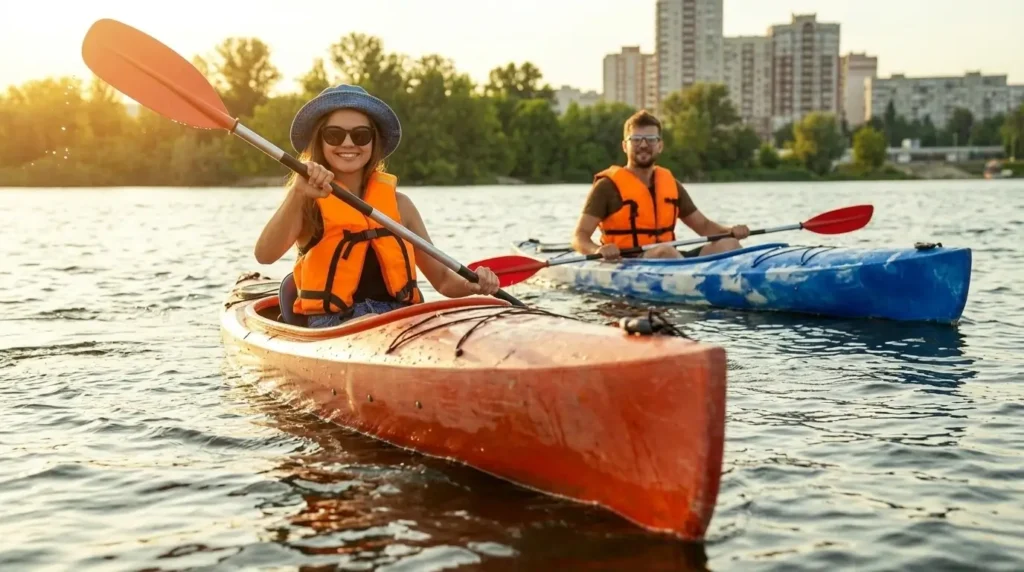
Savannah has several places where you can kayak. Each area offers a different water setting and paddling experience.
Some routes pass through salt marshes and tidal creeks. Others lead toward barrier islands, beaches, or blackwater forests.
Your choice should depend on your skill level and trip goals. Tide, wind, water level, and route distance also matter.
Here are the main kayaking areas to consider around Savannah.
Little Tybee Island
Best for: Beaches, barrier islands, wildlife, and coastal paddling
Water environment: Salt marshes, tidal creeks, beaches, and coastal water
Skill level: Beginner to experienced, depending on the route and conditions
Wildlife: Shorebirds, herons, egrets, ospreys, bald eagles, and other coastal birds
Tide considerations: Tides can affect access through shallow creeks and marsh channels
Tour and rental options: Guided trips and kayak rentals are available through local operators
Practical access: Little Tybee sits south of Tybee Island and has no road access. You must reach it by boat or kayak.
Little Tybee Island is an uninhabited barrier island near Savannah. Salt marshes cover much of the island.
Hardwood hammocks break up the marsh in several areas. The island also has beaches along the Atlantic side.
Kayaking here feels different from paddling around developed Tybee Island. You reach Little Tybee by water rather than by road.
The island also offers opportunities for beachcombing and wildlife watching. Several bird species use its beaches and marsh habitats.
Ospreys and bald eagles nest on the island. Shorebirds also gather along its beaches during parts of the year.
Tides matter when planning a Little Tybee trip. Water levels can affect which channels remain practical for paddling.
Beginners may prefer a guided trip for this reason. A local guide can help with route choice and changing water conditions.
Little Tybee is also different from simply visiting Tybee Island. Tybee has roads, homes, businesses, and developed beaches. Little Tybee remains largely undeveloped and has no permanent buildings.
Moon River and Skidaway Narrows
Best for: Wildlife, salt marshes, tidal creeks, and guided trips
Water environment: Tidal marshes, creeks, rivers, and protected coastal waters
Skill level: Beginner to experienced
Wildlife: Dolphins, bald eagles, ospreys, otters, deer, and coastal birds
Tide considerations: Water levels and tidal movement can affect routes and paddling conditions
Tour and rental options: Guided kayak tours and rentals are available
Practical access: Skidaway Narrows lies near Skidaway Island and the Moon River area.
Can you kayak on the Moon River in Savannah?
Yes, you can kayak on the Moon River and nearby waterways. Guided trips also operate through the Skidaway Narrows area.
Moon River Kayak Tours runs trips through the protected waters of Skidaway Narrows. The area borders Skidaway Island State Park and the surrounding coastal landscape.
The route includes tidal creeks, marshes, and small islands. This setting gives paddlers a close view of Savannah’s coastal ecosystem.
Wildlife is another reason people choose this area. Local tourism sources list dolphins, eagles, ospreys, deer, and otters as possible sightings.
You can also find kayak rentals in the wider Skidaway and Wilmington Island area. Rental locations and tour routes can differ, so check the current meeting point before booking.
The protected water makes this area useful for beginners. Moon River Kayak Tours states that no previous experience is needed for its Skidaway Narrows trips.
Still, protected water does not mean conditions stay the same. Tides, wind, and weather can change the paddling experience.
Skidaway Island State Park borders Skidaway Narrows, which forms part of Georgia’s Intracoastal Waterway.
Tybee Island
Best for: Coastal paddling, rentals, families, and access to nearby waterways
Water environment: Marshes, tidal waterways, beaches, and coastal waters
Skill level: Beginner to experienced, depending on the route
Wildlife: Coastal birds, dolphins, and other marsh wildlife
Tide considerations: Route options can change with tides
Tour and rental options: Kayak rentals, guided tours, and eco tours are available
Practical access: Tybee Island has several watersports operators and road access from Savannah.
Tybee Island gives visitors several ways to get on the water. Local outfitters offer kayak rentals and guided trips.
Some trips stay around marsh areas. Others head toward Little Tybee or nearby coastal locations.
That difference matters when choosing a trip. Marsh paddling usually feels different from open coastal water.
Tybee also works well for travelers who want kayaking alongside a beach visit. You can combine time on the water with other activities on the island.
Several local operators offer equipment rentals and guided trips. Options include family outings, eco tours, and longer excursions.
Beginners should check the route before booking. A calm marsh route may suit a first trip better than a more exposed coastal route.
Little Tybee is closely connected to Tybee Island but offers a different setting. You cannot drive to Little Tybee. Kayak or boat access is required.
Ebenezer Creek
Best for: Blackwater paddling, forests, history, and quiet water
Water environment: Blackwater creek, swamps, cypress, and tupelo forest
Skill level: Beginner to experienced, depending on the route and conditions
Wildlife: Birds, fish, reptiles, and other wetland wildlife
Tide considerations: Water levels can affect access and route conditions
Tour and rental options: Guided trips and self guided paddling options are available
Practical access: Ebenezer Creek is near Rincon in Effingham County, northwest of Savannah.
Ebenezer Creek offers a very different kayaking experience. You leave the coastal marsh and enter a blackwater environment.
Cypress and tupelo trees line the creek. The water passes through forested wetland areas before reaching the Savannah River.
Several access points support shorter and longer paddles. That gives experienced paddlers more flexibility when planning a trip.
Guided trips can also add historical context. The creek connects with the history of the Ebenezer settlement and the surrounding area.
Wildlife and birdwatching are also part of the experience. The forest creates a different habitat from Savannah’s open salt marshes.
Water level still matters when planning a trip. Check current conditions and access information before launching.
Ebenezer Creek is outside central Savannah. Plan extra travel time if you are staying downtown.
Savannah River
Best for: Experienced paddlers, river scenery, and longer water routes
Water environment: Large river, tidal water, riverbanks, and working waterfront areas
Skill level: Better suited to experienced paddlers and organized trips
Wildlife: River and coastal birds, fish, and other waterway wildlife
Tide considerations: Tidal movement can affect water conditions near the coastal section
Tour and rental options: Access depends on the launch area and operator
Practical access: Savannah River access varies by location. Georgia DNR provides an interactive map for boating access points.
Can You Kayak the Savannah River?
Yes, kayaking is possible on the Savannah River. However, it is not the same as paddling a narrow tidal creek.
The river carries commercial and recreational boat traffic. Current, wind, vessel movement, and route choice deserve careful attention.
Georgia DNR advises boaters to follow navigation rules and stay alert around other vessels. Its guidance also stresses extra care on narrow rivers and streams.
For many visitors, a guided trip can simplify river planning. Experienced paddlers may choose an appropriate launch and route after checking conditions.
Do not assume that a calm shoreline means easy river conditions. Wind and current can change how your kayak handles.
Georgia DNR also provides an interactive boating map with access locations. Check the current access information before choosing a launch point.
Wear the required safety equipment and carry a properly fitted PFD. Georgia DNR provides current boating safety and equipment guidance for Georgia waters.
The Savannah River makes more sense for paddlers who understand moving water and boat traffic. Beginners should consider a guided option before attempting a river route alone.
Savannah Kayak Tours
A guided kayak tour combines paddling with local route and wildlife knowledge. A guide handles the route while you focus on paddling and enjoying the water.
Savannah kayak tours usually explore marshes, tidal creeks, rivers, and coastal waterways. Some trips focus on wildlife, while others include beaches, islands, or sunset paddling. Tour length and age rules vary by operator.
Wildlife Kayak Tours
Wildlife tours focus on Savannah’s coastal habitats and waterways. The route may pass through salt marshes, tidal creeks, or river channels.
You may see bottlenose dolphins, bald eagles, ospreys, herons, otters, fish, and crabs. Some coastal trips can also encounter alligators or sea turtles.
Wildlife sightings depend on several factors. Tide, weather, season, location, and animal activity can all affect what you see.
A good guide adds more than route directions. They can explain local wildlife, coastal ecology, and the history of the area. Moon River Kayak Tours, for example, describes its guides as knowledgeable about nature and kayaking.
Do not book a wildlife tour expecting a guaranteed dolphin sighting. Animals move freely through these waterways.
If wildlife matters most, ask where the tour goes before booking. Also ask how long you will spend on the water.
Sunset Kayak Tours
Sunset kayak tours let you paddle during the evening hours. The timing depends on the season and the tour schedule.
Light changes quickly near sunset. Good visibility still matters when you return to the launch point.
Weather can also change the experience. Wind, rain, storms, and cloud cover can affect an evening paddle.
Tides matter on Savannah’s coastal waterways as well. Some tours schedule departures around specific tidal conditions. Bull River, for example, states that its kayak rentals operate according to tidal conditions.
Sunset trips can suit couples, photographers, and travelers who prefer cooler evening temperatures. They can also work for visitors who want a shorter outdoor activity after sightseeing.
Ask about the return time before booking. Also check the operator’s weather policy and required experience level.
Family Kayak Tours
Family kayak tours give parents a guided way to explore Savannah’s waterways with children. Operators set their own age rules, equipment policies, and route requirements.
Tandem kayaks can help families stay together on the water. A guide can also explain paddling techniques and local conditions before launch.
Personal flotation devices are an important part of any organized kayak trip. Tour operators commonly provide kayaks, paddles, and PFDs. Bull River lists these items among its guided tour inclusions.
Trip length also matters with children. A shorter trip may be easier for younger paddlers.
Some Savannah operators welcome families and children. Moon River Kayak Tours lists its trips as suitable for all ages.
Other operators use different age limits. Savannah Canoe and Kayak lists its family and group adventure for ages two and up.
Always check the current age policy before booking. Also ask whether children paddle alone or share a tandem kayak.
For a first family trip, a guided route can reduce the planning work. The guide handles route decisions while your family focuses on paddling.
Private Kayak Tours
A private kayak tour gives your group its own guide and route experience. You do not share the trip with a larger scheduled group.
Private trips can suit families, couples, friends, and small groups. They can also work well when your group has different interests.
Some private tours allow more flexibility with route planning. Savannah Coastal Ecotours, for example, offers private kayak ecotours that can be customized around group interests.
Savannah Canoe and Kayak also offers private family and group adventures. Its listed trip includes kayaking and beachcombing around Little Tybee.
Private does not always mean easier. You still need to match the route with your group’s experience.
Ask about the route, duration, group size, age rules, and tide conditions before booking. Also confirm what equipment the operator provides.
How to Choose a Savannah Kayak Tour
There is no single kayak tour that suits every visitor. Start with the type of experience you want.
Location: Choose marshes, rivers, barrier islands, or blackwater based on your interests.
Duration: Check the total time on the water. Add time for parking, check-in, and safety instructions.
Skill level: Beginners should look for guided trips that clearly accept first-time paddlers. Experienced kayakers may want longer or more flexible routes.
Group size: Ask how many people join the scheduled trip. A private tour may work better for families or small groups.
Tides: Check whether the operator schedules trips around specific tides. Coastal routes can change with water levels and currents.
Wildlife: Ask which habitat the tour explores. Marsh and estuary routes can offer different wildlife opportunities.
Age requirements: Never assume children can join every tour. Operators set their own age and passenger rules.
Guide support: Check what the guide provides. This may include paddling instruction, navigation, wildlife information, and local history.
Guided Tour or Independent Rental?
A guided tour can make sense if you are new to kayaking. It also helps if you do not know Savannah’s tidal waterways.
A rental gives experienced paddlers more control over their schedule. However, some rental operators require previous kayaking experience. Bull River currently requires experience for its kayak rentals.
Your choice should match your experience and the waterway. A calm marsh trip and a tidal coastal route do not require the same planning.
For first time visitors, compare the route before comparing the price. The location, conditions, guide support, and trip length can change the experience more than the advertised tour name.
Kayak Rentals in Savannah, GA
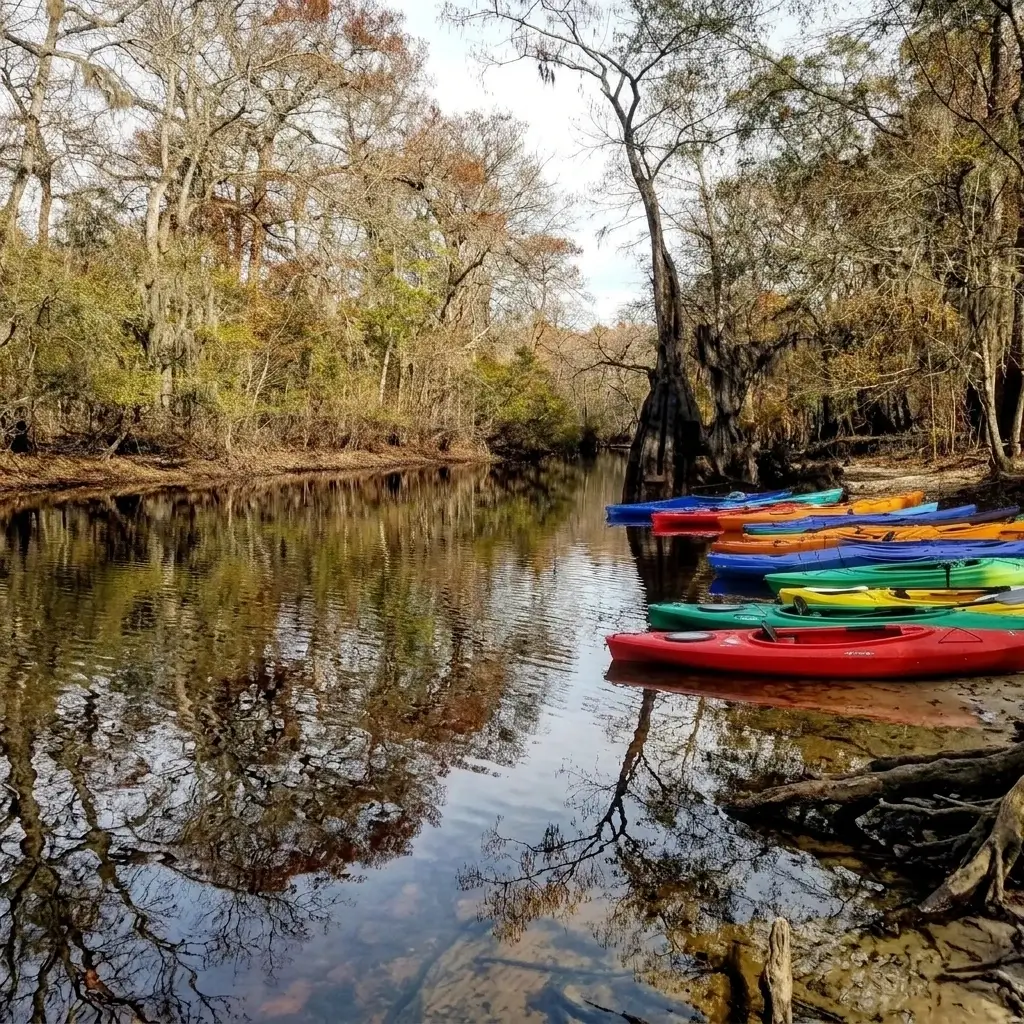
Kayak rentals in Savannah let you explore local waterways without joining a guided trip. You choose the rental period and paddle on your own.
Rental options vary by location and operator. Some services provide kayaks near coastal waterways, while others serve specific launch areas.
Before booking, check the kayak type, rental duration, launch location, equipment, and experience requirements. Tide and weather conditions also matter on Savannah’s coastal waterways.
How Kayak Rentals Work
Most kayak rentals include the basic equipment needed for paddling. This often includes a kayak, paddle, and personal flotation device.
Some operators may provide additional gear. Ask what comes with the rental before you arrive.
Bull River, for example, lists kayaks, paddles, and life jackets with its rental service. Its rentals also follow tidal conditions.
Launch Arrangements
The launch point depends on the rental company and selected route. Some rentals start near marshes or tidal waterways.
Ask for the exact meeting point before your trip. Also check parking and arrival instructions.
Do not assume that every Savannah kayak rental includes transportation to the water. Some operators expect you to arrive at the launch location yourself.
If you plan to paddle from a public boat ramp, check access rules before launching. Georgia DNR provides boating access information for Georgia waterways.
Rental Duration
Rental periods vary between operators and locations. You may find shorter rentals and longer paddling periods.
Check whether the advertised time includes only water time. Some businesses use different timing policies for equipment pickup and return.
Your route should fit within the rental period. Leave enough time to return before the agreed deadline.
A longer rental does not always mean a better trip. Tide, wind, heat, and your paddling speed can limit how far you should travel.
What You Are Responsible For
A rental puts more responsibility on you than a guided trip.
You usually need to manage your own route and paddling pace. You also need to monitor weather and changing water conditions.
Wear your PFD and follow the operator’s safety instructions. Check local rules before entering unfamiliar waterways.
You should also protect your phone and other valuables from water. Carry enough drinking water for your planned trip.
Navigation Considerations
Navigation becomes more important when you rent a kayak without a guide. Savannah has tidal creeks, marsh channels, rivers, and coastal waterways.
Water levels can change with the tide. Wind and current can also affect your return journey.
Experienced paddlers should still check the route before launching. Beginners should consider a guided trip when they are unfamiliar with the local waterways.
Do not rely only on a phone signal while paddling. Know your launch point and planned return route before leaving shore.
Rental vs Guided Kayak Tour
Both options can work well, but they suit different travelers.
| Factor | Rental | Guided Tour |
|---|---|---|
| Guide | No | Yes |
| Navigation | Your responsibility | Guide handles route |
| Local knowledge | Limited | High |
| Beginner friendly | Depends on operator and route | Usually easier |
| Flexibility | More | Less |
| Wildlife interpretation | Self guided | Guide led |
| Route planning | You handle it | Guide plans it |
| Paddling pace | You choose | Group usually follows the tour pace |
| Safety guidance | Basic rental instructions | Guide provides trip guidance |
Which Option Should You Choose?
A guided tour can suit first time kayakers. It can also help visitors who do not know Savannah’s tidal waterways.
A rental may suit experienced paddlers who want more control. You can choose your own pace and spend more time at places that interest you.
Your experience level should come first. Check the operator’s requirements before booking a rental.
For example, Bull River currently states that kayak renters need previous kayaking experience.
If you want wildlife information, a guided tour offers another advantage. The guide can identify animals and explain the surrounding marsh or river system.
If you want flexibility, a rental gives you more control. You still need to plan around tides, weather, route distance, and your own paddling ability.
What to Check Before Booking a Savannah Kayak Rental
Use this checklist before paying for a rental:
- Exact launch location
- Rental start and return time
- Kayak type
- Paddle included
- PFD included
- Minimum age
- Experience requirement
- Parking arrangements
- Tide restrictions
- Weather policy
- Route limitations
- Cancellation policy
The right rental depends on more than the kayak itself. Check the waterway and launch conditions before choosing your rental.
Kayaking in Savannah for Beginners
Yes, beginners can kayak in Savannah. You do not always need previous kayaking experience, especially when you choose a guided trip.
Local waterways can range from protected marsh areas to tidal rivers and coastal waters. Conditions can change with tides, wind, and weather. Your first trip should match your comfort level and paddling ability.
Do You Need Previous Kayaking Experience?
Many guided Savannah kayak tours accept beginners. Some local tours specifically state that no previous experience is required.
For example, Moon River Kayak Tours describes its Skidaway Narrows trips as suitable for people without kayaking experience. Guides provide instruction and lead the group through the local waterways.
Rental requirements can be different. Some rental operators require previous kayaking experience. Bull River, for example, currently requires experience for its kayak rentals.
Always check the current requirements before booking.
Which Savannah Kayaking Environments Are Easier for Beginners?
Protected marsh waterways can be easier for new paddlers than exposed coastal water.
Moon River and Skidaway Narrows are popular areas for guided beginner trips. The waterways include tidal creeks, marshes, and islands.
Little Tybee can also work well for beginners when conditions are suitable and a guide leads the trip. The area includes tidal water, marsh channels, and beaches.
Open coastal water can require more attention to wind, waves, boat traffic, and currents. Beginners should not assume that every kayak route near Savannah has the same conditions.
Should Beginners Rent a Kayak or Take a Tour?
A guided kayak tour is often the simpler starting point for a first trip.
You receive basic instructions before launching. The guide also chooses the route and monitors local conditions.
This can reduce the amount of planning you need to do. You can focus on learning how to paddle and control the kayak.
An independent rental may suit you after you gain some experience. You will need to manage navigation, timing, weather, tides, and your return route yourself.
The best choice depends on your experience and the specific waterway. A rental that works for an experienced paddler may not suit a first time visitor.
What Does a Typical Beginner Kayak Trip Feel Like?
Your first few minutes may feel less natural than expected. You need to learn how the kayak responds when you paddle or change direction.
Most beginners settle into a rhythm after some practice.
You will use your arms, shoulders, back, and core while paddling. You do not need to paddle hard throughout the entire trip.
A guided trip usually includes periods of steady paddling and slower sections. You may stop to look at wildlife, marsh vegetation, or the surrounding landscape.
The pace can vary with the route, tide, wind, and group.
How Tiring Is Kayaking?
Kayaking can be a moderate physical activity, but the effort varies by conditions.
Calm water and a steady pace usually require less effort. Strong wind or current can make paddling much harder.
Tandem kayaks can also change the experience. Two people share the paddling, but they need to coordinate their strokes.
For a first trip, consider starting with a shorter outing. A guided half day trip can give you enough time to learn without committing to a full day on the water.
What Happens If You Fall Out of a Kayak?
Falling out is possible, even on calm water. Wearing a properly fitted personal flotation device is important.
If you fall into the water, stay calm and follow the safety instructions given before the trip.
Guided tours normally include a safety briefing before launching. Your guide can also explain what to do if someone leaves the kayak.
Do not try difficult self rescue techniques without proper instruction. If you are new to kayaking, tell the guide about your experience level before launching.
Beginner Checklist
Before your first Savannah kayak trip, check these basics:
- Wear a PFD: Keep your personal flotation device on while you are on the water.
- Check the tide: Tidal currents can affect your route and paddling effort.
- Check the weather: Wind and storms can change conditions quickly.
- Start with a guided trip: A guide can handle route planning and provide local instruction.
- Follow guide instructions: Pay attention during the safety briefing and throughout the trip.
- Carry water: Bring enough drinking water for the planned outing.
- Use sun protection: Wear sun protection and consider a hat and sunglasses.
- Do not underestimate wind or current: Easy paddling can become harder when conditions change.
Is Savannah Kayaking Good for a First Trip?
Savannah can work well for a first kayaking experience when you choose an appropriate route and conditions.
A guided trip can remove much of the uncertainty for beginners. You can learn basic paddling skills while exploring the marsh or tidal waterways.
Before booking, check the experience requirement, trip length, age rules, launch location, and current weather policy.
Your first goal should not be covering the most distance. It should be learning how the kayak feels and becoming comfortable on the water.
Kayaking in Savannah With Kids
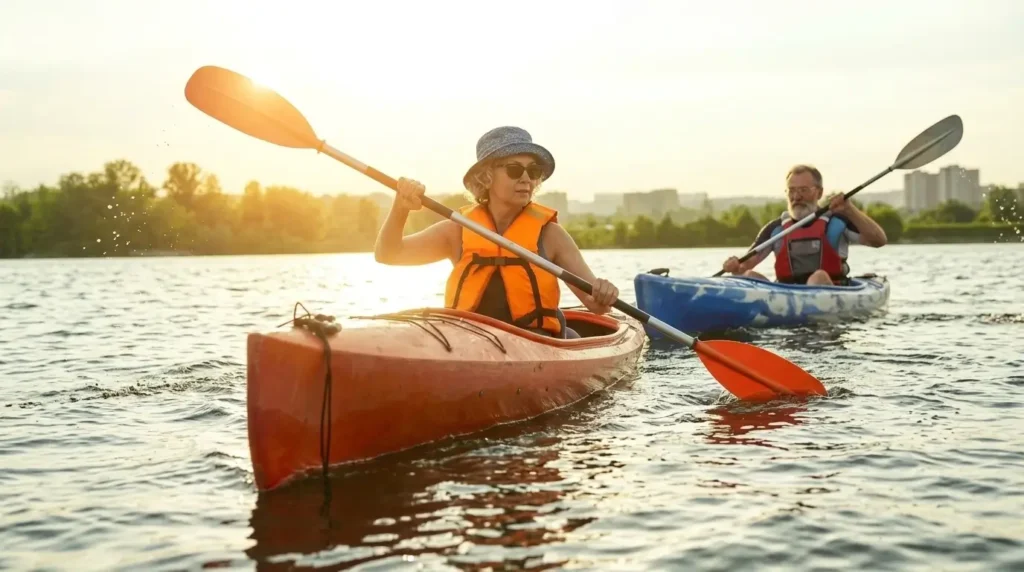
Kayaking in Savannah can be a good family activity when the trip matches your children’s age and experience.
Family suitability depends on the operator, route, weather, tide, and kayak setup. Age requirements also vary between operators.
For example, Savannah Canoe and Kayak lists a family and group adventure for children as young as 2. Moon River Kayak Tours describes its trips as suitable for all ages.
Always check the current age policy before booking.
Age Requirements Vary by Operator
There is no single minimum age for every Savannah kayak trip.
Some operators accept young children when they ride with an adult. Other trips may have higher minimum ages because of the route or water conditions.
Ask whether your child will ride in a tandem kayak with an adult. Also check whether the operator has different rules for private trips and group tours.
Tandem Kayaks for Families
Tandem kayaks allow two people to paddle together. They can be useful for parents kayaking with younger children.
The adult can handle most of the paddling while the child sits in the other position. This can make the experience easier for children who are not ready to control a kayak alone.
Ask the operator which tandem kayak setup they use. Also ask where children sit and whether the boat is suitable for their size.
PFDs and Life Jackets
Children should wear a properly fitted personal flotation device while kayaking.
The PFD should fit the child correctly and be suitable for their size. Do not rely on an oversized adult life jacket.
Ask the operator whether children’s PFDs are provided. Most guided kayak services include required safety equipment, but equipment policies can vary.
Keep the Trip Length in Mind
A young child may lose interest before an adult does.
Consider the child’s age, attention span, comfort on the water, and previous outdoor experience. A shorter trip can be easier for a first family outing.
Longer trips also increase exposure to sun, heat, wind, and changing water conditions.
Ask how much time you will spend actively paddling. Some tours include stops for wildlife viewing or beach exploration.
Check Weather Before You Go
Weather matters even when the forecast looks comfortable on land.
Wind can increase paddling effort. Rain and storms can also affect whether a trip operates.
Follow the operator’s weather policy instead of assuming the trip will run as scheduled. Coastal conditions can change during the day.
Protect Children From Sun Exposure
A kayak provides little shade.
Children should have sun protection suitable for the trip. Consider lightweight clothing, a hat, sunglasses, and sunscreen.
Bring enough drinking water for the entire outing. Heat and sun exposure can become uncomfortable during a longer paddle.
Check Restrooms and Parking
Ask about restrooms before arriving at the launch point. Not every launch area has convenient facilities.
Parking can also vary between locations. Confirm where you should park and how far you need to carry your equipment.
Arriving early can make the launch less stressful. It also gives children time to use the restroom and get comfortable before getting on the water.
What Should Children Bring Kayaking?
Keep children’s gear simple and practical.
- Properly fitted PFD
- Drinking water
- Sunscreen
- Hat
- Sunglasses with a secure strap
- Light clothing suitable for getting wet
- Water friendly shoes
- Small waterproof bag for essentials
- Towel and dry clothes for after the trip
Avoid bringing loose items that can fall into the water.
Why a Guided Trip Can Simplify Family Kayaking
A guided trip can remove several planning tasks for parents.
The guide handles route planning and provides instructions before launching. You also have someone familiar with the local waterway and conditions.
This can be useful when you are visiting Savannah and do not know the tides or launch areas.
Some local operators specifically offer family or private trips. Savannah Canoe and Kayak, for example, offers family and group adventures that include kayaking and beachcombing at Little Tybee.
Can Kids Kayak in Savannah?
Yes, children can kayak in Savannah on suitable trips.
The important factors include the child’s age, the operator’s rules, kayak type, water conditions, and adult supervision.
Check the current age requirements before booking.
What Age Can a Child Go Kayaking?
The minimum age depends on the operator and trip.
Some family trips accept very young children when they ride with an adult. Other tours have older minimum ages.
Do not assume that an age policy from one operator applies to another.
Are Tandem Kayaks Available?
Yes, tandem kayaks are available on some Savannah rental and tour options.
They can be useful for parents who want to paddle with a child. Availability depends on the operator and the selected trip.
Ask about tandem availability when making your reservation.
Is Little Tybee Suitable for Families?
Little Tybee can work for families when conditions and the selected trip are suitable.
The area combines tidal waterways with beaches and marsh habitat. Some guided family trips include beachcombing as part of the experience.
However, Little Tybee is not a controlled swimming area or a simple park attraction. Tides, currents, weather, and the route can affect the experience.
Families should check conditions and choose an appropriate guided trip if they are unfamiliar with the area.
Sea Kayaking Near Savannah
The term sea kayak Savannah can describe coastal paddling around Savannah. However, not every kayak trip near the city is technically sea kayaking.
Savannah offers several different water environments. These include protected marshes, tidal creeks, rivers, barrier islands, and more exposed coastal water.
Understanding the difference helps you choose the right kayak and trip.
Coastal Kayaking
Coastal kayaking covers paddling in areas influenced by the ocean.
Around Savannah, this can include salt marshes, tidal creeks, barrier islands, and coastal waterways.
A coastal trip does not automatically mean you are paddling in open ocean conditions.
Marsh Kayaking
Marsh kayaking takes place among salt marshes and tidal creeks.
The water can be relatively protected compared with exposed coastal areas. Routes can still have moving water because tides affect the marsh.
Moon River and Skidaway Narrows are examples of areas where guided trips explore tidal creeks and marsh environments.
Open Water Paddling
Open water has fewer natural barriers protecting you from wind and waves.
Conditions can change more quickly than on a sheltered creek. Wind can create waves and make the return journey harder.
Open water paddling requires more attention to weather, route planning, and your own ability.
What Is Sea Kayaking?
Sea kayaking generally refers to kayaking on larger coastal or marine waters.
Sea kayaks are designed for longer coastal trips and tracking through open water. They can also provide useful storage for longer outings.
A guided marsh tour using a recreational sit on top kayak should not automatically be described as sea kayaking.
The equipment and environment should match the term.
How Wind Affects Coastal Kayaking
Wind can have a major effect on a kayak.
A light breeze may not create much difficulty. Stronger wind can increase paddling effort and make it harder to maintain your intended course.
Headwinds can become especially tiring on the return trip. Check the wind forecast before launching.
Waves and Coastal Conditions
Waves are another factor when paddling in exposed coastal areas.
Small waves may be manageable for an experienced paddler. Larger waves require stronger boat control and better judgment.
Do not treat an exposed coastal route like a sheltered marsh creek.
Tides and Currents
Tides change water levels and can create currents through coastal channels.
The effect depends on the location and timing of the tide. A route that feels easy in one direction can require more effort in another.
This is one reason local knowledge matters when planning a coastal kayaking trip.
Boat Traffic
Some Savannah waterways also have boat traffic.
Stay alert around motorboats and larger vessels. Keep a safe distance and follow local navigation rules.
A guide can help you understand the route and identify areas where boat traffic may be more common.
What Experience Level Do You Need?
You do not need sea kayaking experience for every coastal trip around Savannah.
Your required skill level depends on the route and conditions.
A guided trip through protected marsh water can suit beginners. Exposed coastal water requires greater comfort with wind, waves, currents, and navigation.
If you have never kayaked before, start with a suitable guided trip rather than choosing a route based only on its location.
Is Savannah Sea Kayaking the Same as Marsh Kayaking?
No.
Marsh kayaking usually involves tidal creeks and protected salt marsh environments. Sea kayaking can involve larger and more exposed coastal waters.
Savannah has both types of paddling environments, along with rivers and barrier island routes.
When booking, ask exactly where the trip goes. Also ask about the kayak type, expected conditions, required experience, and tide considerations.
Savannah Kayaking vs Canoeing
Kayaking and canoeing both let you explore Savannah’s waterways, but the boats handle differently.
If you search for canoe Savannah GA or Savannah kayak and canoe, you will find options for both types of paddling. Your choice depends on the waterway, trip style, and experience level.
Kayaking in Savannah
A kayak usually has a lower seated position inside the boat. Most recreational kayaks use a double bladed paddle.
You alternate the paddle from one side to the other. This gives you good control over direction and makes steady paddling fairly simple to learn.
Kayaks are common for Savannah’s marsh and coastal tours. Sit on top kayaks are also used for many recreational trips.
They work well for wildlife viewing, tidal creek trips, and coastal exploration.
Canoeing in Savannah
A canoe has a different seating and paddling setup. The paddler usually uses a single bladed paddle.
Canoes have an open design that provides more room inside the boat. Their higher seating position also gives a different view of the surrounding water.
Canoes can work well on suitable rivers, creeks, and calmer waterways. The best choice depends on the specific route and boat being used.
How Kayaks and Canoes Handle Differently
Kayaks and canoes respond differently to paddling movements.
A kayak sits lower in the water and is usually easier to control with a double bladed paddle. It can also feel more stable for some beginners.
A canoe gives you a different paddling rhythm. Turning and maintaining a straight course can take some practice.
Wind can affect both boats. The shape of the boat, paddler position, water conditions, and experience all influence handling.
Which Should Visitors Choose?
Choose a kayak if you want to explore salt marshes, tidal creeks, or coastal areas on a typical recreational tour.
A kayak can also be a practical choice for first time paddlers on a suitable guided route.
Choose a canoe if your planned trip specifically offers canoeing or you prefer its open design and paddling style.
The waterway should influence your decision as much as the boat itself. A calm creek and an exposed coastal route create very different paddling conditions.
Kayak or Canoe for Beginners?
Both can be learned by beginners, but the experience will differ.
Many visitors find a recreational kayak simple to learn because the double bladed paddle provides control on both sides.
A canoe can also work for beginners when an instructor or guide provides basic paddling instruction.
If you are new to paddling, ask the outfitter which boat they recommend for the specific route. Also ask about water conditions and required experience.
Kayak or Canoe for Families?
A family may prefer a canoe because of its open interior. However, tandem kayaks can also work well for adults and children.
The important factors include the child’s age, boat capacity, PFD requirements, and water conditions.
Ask the operator about seating arrangements before booking. Do not assume that every kayak or canoe can carry the same number of people.
Kayak and Canoe Tours in Savannah
Some Savannah outfitters offer both kayaking and canoeing experiences.
The available choice depends on the operator, season, route, and equipment.
When comparing a Savannah kayak and canoe option, look beyond the boat name. Check the launch location, trip duration, waterway, equipment, experience requirements, and guide support.
For coastal and marsh exploration, kayaking is a common option. Canoeing may make more sense for a specific calm water route or a trip designed around canoe travel.
Quick Comparison
| Factor | Kayak | Canoe |
|---|---|---|
| Seating | Lower seated position | Higher and more open seating |
| Paddle | Usually double bladed | Usually single bladed |
| Boat design | Enclosed or sit on top | Open design |
| Handling | Often easy to control with two sided paddling | Different technique and turning response |
| Common Savannah use | Marsh, tidal creeks, coastal touring | Suitable rivers, creeks, and calmer waterways |
| Beginners | Often suitable on guided trips | Suitable with basic instruction |
| Families | Tandem options available on some trips | Open design can suit some family groups |
| Best choice | Depends on route and conditions | Depends on route and conditions |
The right choice is not simply kayak versus canoe. Start with the waterway, then consider your experience, group size, and preferred paddling style.
Wildlife You May See While Kayaking
Wildlife is one of the main reasons people kayak around Savannah. The coastal region includes salt marshes, tidal creeks, rivers, and barrier islands.
These habitats support many species of birds, fish, shellfish, reptiles, and mammals. Georgia DNR notes that coastal Georgia has diverse wildlife habitats and supports recreational activities such as kayaking and wildlife viewing.
What you see depends heavily on where and when you paddle.
Marine & Aquatic Wildlife
Bottlenose Dolphins
Bottlenose dolphins can be seen in Savannah’s coastal waterways.
Guided trips around the Moon River and Skidaway area report occasional dolphin sightings. Savannah Coastal Ecotours also lists dolphins among the wildlife commonly seen during its coastal trips.
Dolphins may surface near a kayak and disappear within seconds. Give them space and avoid trying to approach or follow them.
Fish
Savannah’s tidal creeks and marshes support many types of fish.
Some fish stay in shallow water during certain tidal stages. Others move through creeks with changing water levels.
You may notice fish near the surface or see them moving through clear sections of water. Many species are easier to observe from a kayak because you are close to the water.
Shrimp and Crabs
Shrimp and crabs are important parts of the coastal food web.
Georgia DNR explains that shrimp and crabs feed within intertidal mud flat habitats. These animals also provide food for larger fish and birds.
You may notice small marine animals along shallow marsh edges during a paddle.
Otters
River otters can occur around Savannah’s waterways.
Moon River Kayak Tours lists otters among the animals visitors may see during trips through the local marshes and rivers.
An otter sighting can be brief. The animal may surface, swim away, and disappear among the marsh vegetation.
Birds
Savannah’s coastal marshes provide habitat for many bird species.
Kayaking can give you a lower and quieter viewpoint than traveling by motorboat. That can make it easier to notice birds along marsh edges and waterways.
Bald Eagles
Bald eagles can be seen around Savannah’s coastal waterways.
Moon River Kayak Tours reports bald eagles among the wildlife visitors may encounter around the Skidaway area. Savannah Coastal Ecotours also lists bald eagles among its common wildlife sightings.
Look toward trees, shoreline areas, and open sky rather than only watching the water.
Ospreys
Ospreys are another bird you may see while kayaking.
They often hunt around coastal waterways where fish are available. Local kayak operators report osprey sightings around the Savannah marshes.
You may see one circling above the water before diving toward its prey.
Herons
Herons are common wetland birds in coastal Georgia.
They feed around shallow water and marsh edges. Their slow movements can make them easier to spot from a kayak.
Georgia DNR lists herons among the birds found around coastal wetland environments.
Shorebirds
Shorebirds use mud flats, beaches, and marsh edges for feeding.
Depending on the location and season, you may see sandpipers, gulls, egrets, and other wading or shore birds.
Georgia DNR notes that birds such as egrets, clapper rails, gulls, sandpipers, and oystercatchers feed across intertidal mud flat habitats.
Marsh Wildlife
Fiddler Crabs
Fiddler crabs are easy to associate with Georgia’s salt marshes.
They live in burrows across intertidal mud flats. When the tide moves out, they can become more visible on exposed mud.
You may see groups of fiddler crabs moving along the marsh edge while paddling.
Alligators
Alligators occur in parts of coastal Georgia, especially around suitable freshwater and wetland habitats.
Some Savannah area ecotours include alligators among possible wildlife sightings. This is more relevant to certain blackwater and inland routes than every coastal kayak trip.
Never approach, feed, or attempt to photograph an alligator at close range.
Other Coastal Species
Savannah’s coastal habitats support many other animals.
Depending on the route, you may encounter sea turtles, additional fish and shellfish, wading birds, and other mammals. Savannah Coastal Ecotours lists sea turtles, alligators, dolphins, bald eagles, ospreys, and other birds among wildlife often seen on its trips.
The species you encounter will vary by habitat. A marsh trip can produce a different wildlife experience from a barrier island or blackwater creek trip.
Are Wildlife Sightings Guaranteed?
No. Wildlife sightings are never guaranteed.
Animals move freely through the waterways and do not follow a tour schedule. Even a route known for dolphins or eagles may produce no sightings on a particular trip.
Your chances can change with several factors:
- Season: Some species change their activity or location during the year.
- Tide: Changing water levels affect fish, shrimp, crabs, birds, and other animals.
- Time of day: Some wildlife is more active during certain parts of the day.
- Location: A salt marsh, river, blackwater creek, and barrier island support different habitats.
- Weather: Wind, rain, heat, and visibility can affect animal activity and your ability to spot wildlife.
- Animal behavior: Wildlife may stay hidden, move away, or simply be elsewhere when you arrive.
A good kayak trip should not depend on seeing one particular animal.
How to Watch Wildlife Responsibly
Keep a safe distance from wildlife and avoid chasing animals for a closer view.
Do not feed wildlife or try to attract animals toward your kayak. Georgia DNR recommends observing animals from a safe distance and avoiding behavior that disturbs them.
Use binoculars or a camera with a zoom lens when you want a closer look.
A guide can also help you understand what you are seeing without disturbing the animal. This can make a guided wildlife kayak trip useful for visitors who want to learn about Savannah’s coastal ecosystem.
How Tides Affect Kayaking in Savannah
Tides are one of the most important things to understand before kayaking around Savannah.
Many local routes pass through salt marshes, tidal creeks, rivers, and coastal channels. Water levels change as the tide rises and falls.
That change can affect paddling effort, currents, route access, and trip timing.
What Is a Tide?
A tide is the regular rise and fall of ocean water caused mainly by the gravitational effects of the Moon and Sun.
Along the Georgia coast, tides move water into and out of marshes, creeks, rivers, and other coastal areas.
A high tide means the water level has risen. A low tide means the water level has fallen.
The exact timing and height of tides change from day to day.
Why Tides Matter for Kayaking
Tides can change the conditions you experience during the same kayak route.
At higher water levels, some shallow creeks and marsh channels become easier to access. At lower water levels, areas can become shallow or exposed.
Tidal movement can also create currents. You may notice a difference in paddling effort depending on whether the current helps or opposes your direction.
This matters even more when you need to return to your launch point.
High Tide vs Low Tide
High and low tides create different paddling conditions.
At higher tide:
- More water covers shallow marsh areas.
- Some tidal channels become easier to navigate.
- Water may reach areas that are exposed during low tide.
- Currents can still affect your route.
At lower tide:
- Mud flats and sandbars may become exposed.
- Some shallow channels may become difficult to pass.
- Water depth can change significantly across marsh areas.
- You may see exposed mud and wildlife feeding areas.
Neither tide is automatically better for every kayak trip.
The best tide depends on the route, launch point, trip plan, and local conditions.
How Tidal Currents Affect Paddling
Tidal currents are the movement of water caused by changing tides.
A current moving in your direction can reduce the effort needed to paddle. A current moving against you can make paddling harder.
The effect can be noticeable in narrow tidal creeks and channels.
Wind can also affect your paddling conditions. When wind and current work against you, the return journey may require more effort.
Plan your route with the return trip in mind. Do not assume that the conditions will feel the same in both directions.
Why Some Savannah Kayak Tours Are Tide Dependent
Some Savannah kayak tours are scheduled around the tide because the route depends on water levels and currents.
Bull River, for example, states that its kayak rentals are scheduled based on tidal conditions.
This does not mean every Savannah kayak trip operates on the same tide schedule.
Different launch points and waterways have different conditions. A route through a tidal marsh may require different timing from a trip on another section of the coast.
This is why local kayak operators may choose specific departure times rather than offering the same schedule every day.
Should Beginners Check the Tide?
Yes, beginners should understand the tide before kayaking in Savannah.
If you join a guided trip, the operator usually handles the route and timing. You should still know that tides can affect the conditions you encounter.
If you rent a kayak independently, tide planning becomes your responsibility.
Before launching, check:
- Tide time
- Expected water level
- Current conditions
- Wind direction and speed
- Route distance
- Return route
- Shallow areas
- Launch and landing conditions
Beginners should avoid assuming that a calm looking marsh route will remain equally easy throughout the trip.
Do You Need to Understand Tides Before Kayaking?
You do not need advanced knowledge of tides to join a suitable guided kayak tour.
A local guide can plan the route around the expected conditions. Moon River Kayak Tours, for example, operates guided trips through the tidal waters around Skidaway Narrows.
For independent kayaking, you should learn the basic tide cycle and check current conditions before launching.
Understanding tides helps you make better decisions about distance, timing, and route selection.
Simple Takeaway
The tide isn’t just a scheduling detail in Savannah. It can change the water level, current, and accessibility of tidal creeks and marsh routes.
If your trip involves Savannah’s tidal waterways, check the tide before you go. If you are unsure how it affects your planned route, ask the local outfitter before launching.
Best Time to Go Kayaking in Savannah
Savannah allows kayaking throughout much of the year. The better time for your trip depends on temperature, wind, rain, tides, and your comfort on the water.
Spring and fall usually offer more moderate temperatures than summer. Winter can also work on suitable days, while summer requires more attention to heat and thunderstorms.
Your launch location and planned route also matter. A sheltered marsh trip can feel very different from an exposed coastal paddle.
Spring
Spring brings moderate temperatures and more comfortable conditions for outdoor activities.
Savannah commonly sees temperatures in the 70s during spring. The season can also bring occasional rain, so check the forecast before your trip.
Weather
Spring temperatures are generally comfortable for paddling. You are less likely to deal with the intense heat common during summer.
Light coastal breezes can still affect your route. Check wind conditions before launching.
Wildlife
Spring can be a good time for wildlife viewing because Savannah’s coastal habitats become active as temperatures rise.
You may see birds, dolphins, fish, and other coastal wildlife. Sightings still depend on location, tide, weather, and animal behavior.
Water Conditions
Water conditions vary by route and day.
Tidal currents remain important during spring. Check the tide and wind before paddling through narrow creeks or exposed areas.
Summer
Summer brings the most heat and humidity of the four seasons.
Savannah’s summer temperatures can reach the 90s. Afternoon thunderstorms are also common.
Heat and Sun
Heat can make a kayak trip more tiring.
You spend much of the trip exposed to direct sunlight. Carry enough water and use suitable sun protection.
A hat, sunglasses, sunscreen, and lightweight clothing can make the trip more comfortable.
Thunderstorms
Summer thunderstorms deserve special attention when kayaking.
A storm can change your plans quickly. Check the forecast before leaving and follow the operator’s weather policy.
Do not assume that a short looking storm will have no effect on water conditions.
Early and Late Paddles
Early morning trips can reduce your exposure to the strongest daytime heat.
Late afternoon and sunset trips can also provide cooler conditions. However, thunderstorms and changing wind conditions still need to be considered.
Fall
Fall often brings a useful break from Savannah’s summer heat.
Visit Savannah describes fall as bringing mild daytime temperatures and cooler coastal breezes.
Temperature
Early fall can still feel warm. Temperatures generally become more comfortable as the season progresses.
This can make longer outdoor activities easier than during the hottest summer periods.
Wildlife
Fall can still provide good wildlife viewing.
Birds, dolphins, fish, and other coastal animals remain part of the local ecosystem. Your actual sightings depend on the route and conditions.
Comfort
Fall can be comfortable for visitors who want to spend several hours on the water.
Cooler evenings can also make sunset trips more pleasant. Bring an extra layer if your trip extends into the evening.
Winter
Winter is cooler but does not automatically rule out kayaking.
Savannah’s typical winter highs are in the 50s and 60s. Freezing temperatures are uncommon.
Cooler Conditions
You may need more layers than you would during spring or summer.
Dress for the air temperature and remember that getting wet can make you feel colder.
Weather Considerations
Check the forecast before leaving.
Cold fronts, wind, rain, and changing coastal conditions can make a winter paddle less comfortable.
Choose a route that matches the day’s conditions rather than assuming winter weather will remain calm.
Crowds
Winter is generally a quieter travel period in Savannah than the busier spring and fall seasons.
However, crowd levels can vary by weekend, holiday, weather, and specific launch location.
Morning vs Afternoon vs Sunset
The time of day can change your kayaking experience almost as much as the season.
Morning Kayaking
Morning trips can offer cooler temperatures during warm months.
They can also reduce exposure to the strongest afternoon heat. Morning tours may work well for families and beginners who prefer to avoid hotter conditions.
Your operator may also schedule trips around the tide. The best departure time is not always the earliest available time.
Afternoon Kayaking
Afternoon conditions can be warmer, especially during summer.
Heat and sun exposure can become more noticeable during a longer paddle. Summer thunderstorms can also develop during the afternoon.
Check the weather forecast before choosing an afternoon trip.
Sunset Kayaking
Sunset trips offer changing light and cooler temperatures compared with the middle of the day.
They can also suit couples and photographers who want to paddle later in the day.
However, visibility decreases as the sun sets. Check the operator’s return time, safety requirements, weather policy, and tide timing before booking.
Does the Tide Matter When Choosing a Time?
Yes.
Savannah has many tidal waterways, so the tide can influence the best departure time for a specific route.
A tour operator may schedule a trip around the expected tide rather than simply choosing the coolest part of the day.
This means a morning trip may not always be better than an afternoon trip. The route and tide can change the answer.
What Is the Best Time for Your Savannah Kayak Trip?
Consider these factors before booking:
| Priority | What to Consider |
|---|---|
| Cooler temperatures | Spring, fall, or an early morning trip |
| Summer heat | Early morning or later afternoon |
| Thunderstorms | Check the forecast and operator policy |
| Comfortable conditions | Spring and fall often offer moderate temperatures |
| Winter paddling | Check wind, rain, and temperature |
| Wildlife | Consider location, tide, season, and time of day |
| Sunset views | Book a sunset trip if conditions and tides allow |
| Tide dependent route | Follow the operator’s recommended departure time |
There is no single best time for every Savannah kayaking trip.
Choose your season and departure time based on the route, tide, weather, and your comfort level. That approach works better than choosing a season based only on temperature.
Weather & Water Conditions
Weather and water conditions can affect a Savannah kayaking trip at any time of year.
Wind, rain, thunderstorms, heat, and visibility can change how comfortable and safe a paddle feels. Water temperature also matters if you fall into the water.
Check the forecast before leaving. If you book a guided trip, also follow the operator’s instructions about changing conditions.
Wind
Wind can increase paddling effort, especially on open or exposed water.
A headwind can make the return journey harder. Strong crosswinds can also make it harder to maintain your direction.
Sheltered marsh creeks may offer more protection from wind than exposed coastal areas.
Do not judge wind conditions only from the launch point. Conditions can change as you move into wider waterways.
Rain
Light rain does not always stop a kayak trip.
Rain can reduce visibility and make equipment wet. Heavy rain can also affect comfort and water conditions.
Check the forecast before launching. Follow the operator’s instructions if rain is expected during your trip.
Thunderstorms
Thunderstorms require more caution than ordinary rain.
Lightning and strong winds can create dangerous conditions on the water. A tour operator may delay, reschedule, or cancel a trip when thunderstorms are expected.
Summer deserves extra attention because thunderstorms are common in Savannah during the warmer months.
Never assume a storm is safe because it looks distant. Follow the operator’s weather instructions.
Heat
Heat can make kayaking more tiring.
You are exposed to the sun for much of the trip. Heat also increases your need for drinking water.
Wear lightweight clothing and use sun protection. Bring enough water for the expected trip duration.
Morning and later day trips can reduce exposure to the strongest daytime heat.
Visibility
Good visibility helps with navigation and wildlife viewing.
Heavy rain, fog, darkness, or glare can make it harder to see other boats and route markers.
Visibility becomes particularly important on waterways with boat traffic.
If you are unfamiliar with the area, a guided trip can reduce some navigation challenges.
Currents
Currents can affect how much effort you need to paddle.
Savannah’s coastal waterways include tidal areas where moving water can influence your route. Wind can add another factor.
A current moving against you can make paddling more tiring. The effect can become more noticeable when combined with wind.
Check the expected conditions before entering an unfamiliar waterway.
Water Temperature
Water temperature matters because falling into the water can change the risk of cold exposure.
Air temperature alone does not tell you how cold the water will feel.
The risk varies by season, location, and weather. Dress appropriately for the conditions and wear your PFD.
If you are planning an independent trip, consider what you would do if you unexpectedly entered the water.
Weather Cancellations
Kayak operators may change a trip when weather or water conditions become unsuitable.
Possible actions include delaying the launch, changing the route, rescheduling the trip, or cancelling it.
The exact policy depends on the operator.
Do not assume that every company uses the same cancellation rules. Check the operator’s current weather and cancellation policy before booking.
What Happens If the Weather Is Bad on a Savannah Kayak Tour?
If weather conditions become unsafe, a kayak operator may delay, reschedule, modify, or cancel the trip.
The exact response depends on the operator, route, and conditions. Thunderstorms, strong winds, heavy rain, and other unsafe conditions can affect whether a trip operates.
If your trip is cancelled because of weather, the operator’s policy will determine whether you receive a refund, rescheduling option, or another arrangement.
Always check the individual operator’s weather and cancellation policy before booking.
Quick Weather Check Before Launching
Before kayaking in Savannah, check:
- Wind speed and direction
- Rain forecast
- Thunderstorm risk
- Air temperature
- Visibility
- Water conditions
- Expected current
- Water temperature
- Operator weather policy
Good kayaking conditions are not just about sunny skies. The wind, water, visibility, and forecast all matter.
What to Wear & Bring Kayaking in Savannah
What you wear can make a noticeable difference during a Savannah kayak trip. You may get splashed, sit in direct sun, and spend several hours around water.
Keep your clothing comfortable and suitable for getting wet. Your exact gear will depend on the season, trip length, and weather.
What to Wear
Use this checklist before heading to the launch point:
- Quick drying clothes: Choose lightweight clothing that dries faster than cotton.
- Sun protection: Wear clothing that covers exposed skin when practical.
- Appropriate footwear: Use water friendly shoes or secure sandals that can get wet.
- Hat: A hat can provide extra protection from direct sunlight.
- Sunglasses: Sunglasses can reduce glare from the water. A secure strap can help prevent losing them.
Avoid wearing clothing that becomes heavy and uncomfortable when wet.
What to Bring
Pack these items for most Savannah kayaking trips:
- Water: Bring enough drinking water for the planned trip.
- Sunscreen: Apply sunscreen before launching and reapply when needed.
- Dry bag: Use a dry bag to protect items from splashes and rain.
- Phone protection: Keep your phone in a waterproof case or dry bag.
- Insect protection: Mosquitoes and other insects can be present around marsh areas.
- Extra clothing: Consider a change of clothes if your trip is long or you expect to get wet.
- Towel: A towel can be useful after the trip.
- Small personal items: Keep keys, wallets, and other valuables protected from water.
Do not overload your kayak with unnecessary items. Loose belongings can fall into the water.
What Is Usually Provided by the Operator?
Many kayak tour and rental providers supply the main paddling equipment.
This commonly includes:
- Kayak
- Paddle
- Personal flotation device, or PFD
For example, Bull River lists kayaks, paddles, and life jackets with its kayak rental service.
Guided tours may also include equipment as part of the trip. However, equipment policies vary between operators.
Check the current booking information before your trip. Do not assume that a dry bag, water, phone case, sunscreen, or other personal gear will be provided.
What Should You Not Bring?
Avoid bringing anything that cannot handle water unless you can protect it properly.
Leave unnecessary valuables at your accommodation or secure them in a suitable dry container.
Your kayak should have enough room for the items you actually need. Keep essential belongings secure throughout the trip.
Simple Packing Checklist
Wear:
☐ Quick drying clothes
☐ Sun protection
☐ Water friendly footwear
☐ Hat
☐ Sunglasses
Bring:
☐ Drinking water
☐ Sunscreen
☐ Dry bag
☐ Waterproof phone protection
☐ Insect protection
☐ Extra clothes
☐ Towel
Usually provided:
☐ Kayak
☐ Paddle
☐ PFD or life jacket
Before leaving, confirm what your specific tour or rental includes.
How Long Does Kayaking in Savannah Take?
A Savannah kayaking trip can take about 1 to 4 hours, depending on the rental, tour, or excursion you choose. Longer independent paddling trips can take several hours or most of a day.
The important point is that paddling time is not the same as total trip time. You also need time for check-in, equipment, instructions, launching, and returning the kayak.
Short Kayak Rental
A short rental can work well if you have limited time.
Your rental period may cover the time you have the kayak, but you should still allow extra time for check-in, equipment setup, and launching.
Ask the rental provider exactly when the rental clock starts and ends.
2 to 3 Hour Guided Kayak Trip
Many guided Savannah kayak trips take around 2 to 3 hours.
The trip normally includes time for launching, paddling, stops, and returning to the launch point.
Some tours focus on wildlife, marshes, sunset conditions, or specific waterways. The route and total schedule vary by operator.
Half-Day Kayak Excursion
A half-day excursion gives you more time on the water.
This can allow for longer routes, more wildlife viewing, beachcombing, or exploring tidal waterways.
Plan more than the advertised paddling duration. Your total outing can take several hours once arrival, preparation, and return time are included.
Longer Paddling Trips
Experienced paddlers can spend much longer on Savannah’s waterways.
Longer trips require more planning for distance, weather, wind, currents, water, food, and navigation.
Your actual paddling speed can also change because of wind and moving water.
Do not plan a long independent route based only on the distance. Allow extra time for breaks and changing conditions.
How Much Time Should You Plan for a Savannah Kayak Trip?
Use this sequence when planning your day:
Arrival → Check-in → Safety briefing → Launch → Paddling → Return
Each stage can add time beyond the advertised tour or rental duration.
For example, a tour advertised as 3 hours should not automatically be treated as a 3-hour door-to-door activity. You may need additional time before launch and after returning to shore.
Kayaking Time vs Total Time
| Experience | Typical Water Time | Plan Extra Time For |
|---|---|---|
| Short rental | Around 1 to 2 hours | Check-in, equipment, launch and return |
| Guided trip | Around 2 to 3 hours | Arrival, briefing and equipment |
| Half-day excursion | Around 3 to 4+ hours | Preparation, breaks and return |
| Longer paddle | Several hours | Navigation, breaks, weather and conditions |
These are planning ranges, not fixed schedules. Check the current duration with the specific operator before booking.
Planning Tip for Travelers
If you have another activity, meal reservation, or tour afterward, leave a buffer.
Kayaking can take longer than expected because of check-in, launching, weather, wind, currents, and the time needed to return equipment.
For a relaxed day, plan around the entire kayaking outing, not just the advertised time on the water.
How to Choose a Savannah Kayak Experience
The best Savannah kayaking experience depends on what you want from the trip.
You do not need to choose a tour just because it appears on a “best” list. Start with your experience level, preferred scenery, and how much independence you want.
Choose a Guided Kayak Tour If:
A guided tour can make sense if:
- You’re new to kayaking: A guide can explain basic paddling and safety before you launch.
- You don’t know the local waterways: The guide handles the route and navigation.
- You want wildlife interpretation: Guides can explain the marsh, birds, marine life, and other wildlife you encounter.
- You’re unfamiliar with tides: A guide can plan the trip around local water conditions.
Guided trips can also make planning easier because the operator handles much of the route preparation.
Choose a Kayak Rental If:
A rental may suit you if:
- You’re comfortable paddling: You already know basic kayak handling.
- You know your route: You understand where you plan to launch and paddle.
- You want flexibility: You prefer controlling your own pace and route.
Independent paddling requires more responsibility. Check weather, wind, tides, currents, navigation, and launch conditions before setting out.
Some rental providers also have experience requirements, so check the current rental rules before booking.
Choose Little Tybee Island If:
Choose Little Tybee Island if your main goal is barrier-island and beach scenery.
This area combines coastal water, tidal creeks, salt marsh, and undeveloped island landscapes. Some guided trips also include time for beachcombing.
Conditions can change with tides, wind, and weather, so route planning matters.
Choose Moon River and Skidaway If:
Choose Moon River and Skidaway if you want marsh and wildlife paddling.
The area includes tidal creeks, marsh grass, islands, and waterways around Skidaway Island. Guided trips can focus on wildlife and the local coastal environment.
This type of route can work well for beginners when offered by an operator that does not require previous kayaking experience.
Choose Ebenezer Creek If:
Choose Ebenezer Creek if you want blackwater and forest scenery.
The waterway passes through a different coastal environment, with cypress and tupelo trees creating a more enclosed setting than the open marsh.
It is a good option to consider if your main interest is forest scenery rather than beaches or salt marshes.
Quick Decision Guide
| What you want | Experience to consider |
|---|---|
| First kayaking experience | Guided kayak tour |
| Local route knowledge | Guided kayak tour |
| Wildlife information | Wildlife focused guided tour |
| More independence | Kayak rental |
| Flexible paddling | Kayak rental |
| Barrier islands and beaches | Little Tybee Island |
| Salt marsh and wildlife | Moon River and Skidaway |
| Blackwater and forest scenery | Ebenezer Creek |
The Simple Way to Choose
Think about your trip in this order:
1. Your experience: Beginner or experienced paddler?
2. Your preferred setting: Marsh, forest, river, or barrier island?
3. Your goal: Wildlife, scenery, exercise, exploration, or relaxation?
4. Your independence: Do you want a guide or your own route?
5. Local conditions: Are wind, weather, tides, and currents suitable for your plan?
This approach gives you a more useful starting point than choosing a kayak trip from a generic ranking. Savannah has several different paddling environments, and the right choice depends on what you want to experience.
Getting to Savannah Kayak Launch Points
Savannah’s kayak launch points are spread across the city and coastal areas. Your kayaking location may be outside downtown Savannah, even when the tour is marketed as a Savannah kayak experience.
Before driving, check the exact meeting point provided by your operator. Different tours can use different boat ramps, beaches, or launch areas.
Downtown Savannah vs Coastal Launch Areas
Downtown Savannah is mainly a sightseeing and accommodation area. Many kayak trips launch farther toward the coast, where you can reach marshes, tidal creeks, rivers, and barrier islands.
Common launch areas include:
- Tybee Island
- Skidaway Island and Moon River
- Butterbean Beach
- Lazaretto Creek
- Ebenezer Creek
- Other local boat ramps used by individual operators
Savannah Canoe and Kayak, for example, lists multiple launch areas around Tybee Island, Skidaway Narrows, Ebenezer Creek, Abercorn Creek, and the Wilmington River.
This means you should not assume that a tour advertised as “Savannah kayaking” starts near River Street or the Historic District.
Getting to Tybee Island Kayak Launches
Tybee Island is one of the main coastal areas for kayaking near Savannah.
The island is reached by US-80 from Savannah. Visit Tybee lists the Historic District to Tybee Island as about 17.5 miles by road.
Several kayak operators use different launch points on or near Tybee Island. One example is Alley 3, which has access toward the Back River and Little Tybee area.
The exact meeting point matters. Do not simply enter “Tybee Island” into your navigation app and assume you have reached the launch.
Butterbean Beach
Butterbean Beach is located at the Rodney J. Hall Boat Ramp on Diamond Causeway near Skidaway Island.
Savannah Canoe and Kayak identifies the Rodney J. Hall Boat Ramp as a launch point for Skidaway Narrows. The put-in is at the beach area, and parking at the ramp is free.
This is useful to know because Butterbean Beach is not a downtown launch point. You need to drive to the Skidaway Island area before starting your paddle.
If your tour meets here, look for the boat ramp rather than relying only on the beach name.
Parking at Kayak Launch Points
Parking rules vary by launch location.
Some boat ramps have free parking. Others, particularly areas on Tybee Island, may require paid parking.
For example, Savannah Canoe and Kayak says parking at its Rodney J. Hall Boat Ramp location is free.
Tybee Island has paid parking in many city managed spaces. Current parking information should be checked before your trip because rates, payment methods, and parking rules can change.
Some specific kayak launch points can also have limited parking. Savannah Canoe and Kayak notes that the Alley 3 parking lot can fill up and provides additional parking options for its Tybee trips.
How Early Should You Arrive?
Give yourself enough time to find the launch, park, and walk to the meeting point.
For guided trips, follow the operator’s stated arrival time rather than arriving at the advertised launch time.
Savannah Canoe and Kayak, for example, asks guests to meet their guide 15 minutes before the program starts.
Allow extra time if:
- You are visiting the launch area for the first time
- Parking may be busy
- You need to pay for parking
- You have children or extra gear
- The launch requires a walk from the parking area
- You need to find a specific guide or meeting point
What to Check Before Driving
Before leaving your hotel or accommodation, confirm:
☐ Exact launch or meeting point
☐ Operator name and phone number
☐ Parking location
☐ Parking fee or payment method
☐ Required arrival time
☐ Whether you need to walk from parking to the launch
☐ What equipment is provided
☐ What you need to bring
☐ Weather or cancellation updates
☐ Whether the launch location has changed
Save the operator’s meeting-point information on your phone before leaving.
Is Transportation Included?
Do not assume transportation from downtown Savannah to the launch point is included.
Many kayak experiences require guests to drive themselves to the meeting point. The exact arrangement depends on the operator and tour.
Check whether your booking includes:
- Transportation from your hotel
- Shuttle service
- Equipment transport
- A guide meeting you at the launch
- Parking
- Any transfer between launch and landing points
If transportation is not listed as an included service, plan to arrange your own way to the launch.
Launch Point vs Meeting Point
A meeting point is where the operator asks you to arrive.
A launch point is where the kayak actually enters the water.
They may be the same location, but they do not always have to be.
For example, an operator may ask you to meet at a specific parking area before walking to the beach or boat ramp.
Always follow the operator’s latest instructions rather than assuming the map pin is the actual place where you launch.
Why Launch Location Matters
The launch point affects the type of kayaking experience you get.
A Tybee Island launch can put you closer to barrier islands, coastal waterways, and beach areas.
A Skidaway launch can provide access to salt marshes, tidal creeks, and the waterways around Skidaway Island.
Other launch points can take you into blackwater or forested environments.
That is why checking the launch location is an important part of choosing a Savannah kayak experience.
A Simple Pre-Trip Routine
Before heading out, use this sequence:
Booking confirmation → Exact meeting point → Parking → Arrival time → Safety briefing → Launch
Do not plan your day around the name “Savannah” alone. Check the actual launch location, because your kayaking activity may take place well outside the downtown area.
This small step can prevent parking problems, late arrivals, and confusion on the day of your trip.
Kayaking Safety in Savannah
Kayaking in Savannah can be a straightforward outdoor activity when you choose suitable conditions and follow basic water safety.
The coast has tidal waterways, changing weather, currents, boat traffic, and wildlife. Your experience level also matters.
Use these safety practices before and during your trip.
1. Wear a PFD
Wear a properly fitted personal flotation device, or PFD, whenever you are on the water.
A PFD should fit securely without restricting your movement. Do not treat it as optional, even if you are a strong swimmer.
Most commercial kayak operators provide a PFD as part of the equipment, but confirm this before your trip.
2. Understand the Tides
Tides can change water levels and currents in Savannah’s coastal waterways.
This can affect your paddling effort, route, and ability to return to the launch point.
If you are paddling independently, check the tide information before leaving. Guided trips are normally planned with local water conditions in mind.
3. Watch the Weather
Check the forecast before launching.
Pay attention to:
- Wind
- Rain
- Thunderstorms
- Temperature
- Visibility
- Changing conditions during your trip
Thunderstorms deserve particular caution. If conditions become unsafe, follow the operator’s instructions or postpone an independent trip.
4. Respect Boat Traffic
Some Savannah waterways are shared with motorboats and other vessels.
Stay alert and watch for approaching boats. Keep your kayak visible and avoid positioning yourself where larger vessels may have difficulty seeing you.
Do not assume that a quiet section of water will remain free of boat traffic.
5. Don’t Paddle Beyond Your Ability
Choose a route that matches your experience and physical ability.
Wind, current, distance, and heat can make a trip harder than it looks from shore.
If you are new to kayaking, a guided trip can help you learn the basics without having to plan an unfamiliar route yourself.
6. Stay Hydrated
Bring drinking water, especially during warm weather.
You can lose fluids while paddling even when you do not feel particularly hot.
Longer trips require more planning for water and other basic supplies.
7. Protect Yourself From the Sun
You can spend several hours exposed to direct sunlight and reflected light from the water.
Use sunscreen and consider wearing:
- A hat
- Sunglasses
- Lightweight, sun protective clothing
Reapply sunscreen during longer outings according to the product instructions.
8. Follow Guide Instructions
If you join a guided Savannah kayak tour, listen to the guide’s safety briefing.
The guide can explain local conditions, route rules, paddling techniques, and what to do if conditions change.
Stay with the group unless the guide gives different instructions.
9. Know Your Route
Independent paddlers should know where they are launching, where they plan to go, and how they will return.
Before launching, consider:
- Route distance
- Current direction
- Tide conditions
- Wind direction
- Weather forecast
- Boat traffic
- Launch and landing conditions
Do not rely entirely on your phone once you are on the water. Protect it from water and make sure you have the information you need before launching.
10. Don’t Approach Wildlife
Savannah’s marshes and coastal waterways support dolphins, birds, alligators, otters, crabs, and other wildlife.
Watch animals from a safe distance. Do not chase, feed, touch, or attempt to block their movement.
If wildlife approaches your kayak, remain calm and give the animal space.
Wildlife sightings are never guaranteed. Respecting the animals and their habitat is more important than getting a close view.
Savannah Kayaking Safety Checklist
Before launching, check:
☐ PFD fits properly
☐ Weather forecast checked
☐ Wind conditions checked
☐ Tide and current understood
☐ Route planned
☐ Drinking water packed
☐ Sun protection ready
☐ Phone protected from water
☐ Boat traffic considered
☐ Guide instructions understood
☐ Wildlife will be observed from a safe distance
The safest kayak trip is one that matches your experience, the route, and the day’s conditions. If conditions change, be prepared to shorten, postpone, or cancel the trip.
Kayak Stores & Buying a Kayak in Savannah
If you are looking for a kayak store in Savannah, the right kayak depends on where you plan to paddle.
Savannah’s coastal and tidal waterways can require different equipment from a kayak intended for small, calm lakes.
New vs Used Kayaks
New kayaks give you more choice in size, design, features, and warranty coverage. They can also make sense if you plan to paddle regularly.
Used kayaks can cost less, but inspect the hull, seating, handles, fittings, and other components before buying. Check for cracks, major repairs, or signs of damage.
If you are searching for kayaks for sale in Savannah or used kayaks in Savannah GA, consider the type of water you will actually paddle.
Recreational vs Touring Kayaks
Recreational kayaks are generally designed for casual paddling and shorter trips. They can be a practical starting point for beginners.
Touring kayaks are designed for longer trips and can offer better tracking and storage for extended paddling.
Your choice should match your route, experience, and expected trip length.
Sit-on-Top vs Sit-Inside Kayaks
Sit-on-top kayaks have an open seating area. They are often easy to get in and out of and can work well for recreational paddling.
Sit-inside kayaks place the paddler inside the hull. They offer a different level of protection from water and can suit paddlers who want a more enclosed design.
Neither style is automatically right for every Savannah paddler.
What Should Beginners Consider?
If you are buying your first kayak, consider:
- Where you will paddle
- How often you will use it
- Your storage space
- Transport requirements
- Kayak weight
- Stability
- Seating comfort
- Available storage
- Your budget
- Whether you need a recreational or touring design
Do not choose a kayak based only on its appearance or price.
Coastal Kayaking Needs More Planning
Savannah’s coastal waterways include tidal creeks, marshes, rivers, and areas exposed to wind and currents.
A kayak suitable for a small calm lake may not be the best choice for every coastal route.
Think about wind, currents, tides, boat traffic, distance, and your paddling experience before buying a kayak for coastal use.
For a more detailed look at local buying options, see [Kayak Stores in Savannah, GA: New & Used Kayaks].
This is where you can compare local kayak stores, new kayaks for sale, and used kayak options in the Savannah area.
Frequently Asked Questions
John Robert
Travel Writer & Founder @ Thing Savannah
John Robert is a travel writer and explorer specializing in authentic regional guides, detailed itineraries, and practical travel logistics.