
Is Savannah Georgia Safe? 2026 Safety Guide for Tourists
is savannah a safe city
Is Savannah, Georgia safe? For most visitors, the answer depends on where and when you travel. Savannah has a busy tourist core, but it remains a city with normal urban safety concerns. Most visitors should focus on theft prevention, traffic, nighttime walking, and their surroundings.
The Savannah Police Department publishes weekly crime reports and incident maps. These records provide a current view of reported crime across the city. However, citywide crime numbers do not show the risk for every tourist or every neighborhood.
The Historic District is easy to explore on foot. The City of Savannah also provides free downtown transit options for visitors. Still, walking requires attention around traffic, crosswalks, uneven surfaces, and low light.
Safety also changes with the setting. A busy restaurant area can feel different after nearby businesses close. The same applies to quieter streets away from major visitor routes. Your route, transportation plan, and time of day all matter.
This guide uses current city safety information and official local sources. It explains crime risks, nighttime walking, tourist areas, parking, transportation, and common physical hazards. The goal is simple. You should know what to expect before exploring Savannah.
Safety at a Glance
Question | Quick answer |
|---|---|
Is Savannah safe for tourists? | Most visitors can explore the city with normal urban safety precautions. |
Is the Historic District safe? | It is a major visitor area, but conditions vary by street, time, and activity. |
Is Savannah safe at night? | It depends on your route, surroundings, foot traffic, and transportation plan. |
What should tourists watch for? | Theft, vehicle break-ins, traffic, uneven surfaces, and nighttime situations deserve attention. |
Can you walk around Savannah? | Yes. Downtown Savannah is designed for walking, but pedestrians must use care around traffic and crossings. |
Should you use a car? | It depends on your itinerary. Many downtown attractions are accessible without a rental car. |
Is Savannah Safe for Tourists?
Savannah is a popular visitor destination with a large, walkable tourism area. Most tourists can enjoy the city by using basic safety habits.
The more useful question is not whether Savannah is simply safe or unsafe. It is what risks you may face during your visit and where they matter most.
The Historic District has many hotels, restaurants, shops, museums, and attractions within walking distance. Visit Savannah describes the area as highly walkable, with hundreds of visitor businesses nearby.
Tourists should still protect their belongings and pay attention to traffic. Nighttime plans also deserve more thought than daytime sightseeing.
What Tourists Should Actually Watch For
Theft: Keep your phone, wallet, passport, and other valuables close. Do not leave bags unattended in public places.
Vehicle break ins: Never leave luggage or electronics visible inside a parked car. Lock the vehicle and use established parking areas.
Traffic: Savannah’s historic streets can place pedestrians close to moving vehicles. Use marked crossings and watch for turning cars.
Unfamiliar streets: Your route may look different after dark. Streets with heavy daytime activity can become quieter later.
Nighttime walking: Consider foot traffic, lighting, and your destination before walking late. Have a clear route back to your hotel.
Alcohol and nightlife: Savannah has active nightlife in its downtown visitor areas. Drinking can affect judgment, so plan your return before you start drinking.
Savannah also has local rules that visitors should understand. The city provides public safety guidance about alcohol, parking, suspicious activity, and crowded events.
Transportation can reduce the need for late night walks. Savannah offers free DOT transportation around the Historic Landmark District. The system connects visitor areas, parking facilities, and ferry landings.
The Savannah Belles Ferry also connects several downtown locations. Service can change because of weather or river traffic.
These options give visitors more choices when planning their evening.
Is Savannah Safe for First Time Visitors?
Yes, first time visitors can explore Savannah with sensible planning.
The biggest mistake is treating the entire city as one tourist zone. Savannah has a large geographic area beyond the Historic District.
Most first time visitors spend much of their trip downtown. That makes route planning fairly simple for many itineraries.
Start by choosing a hotel near the places you plan to visit. Check walking distances before heading out for the evening.
Keep your phone charged and know your hotel address. Save your accommodation in your preferred navigation app.
If you rent a car, remove bags and other valuables before leaving it. Check parking signs before walking away from the vehicle.
If you plan to drink, decide how you will return before going out. Rideshare services, taxis, and local transit can reduce unnecessary nighttime walking.
Visit Savannah also lists parking, rideshare, CAT bus service, and other transportation options for visitors.
First time visitors should also remember that physical safety matters. Historic streets can have uneven surfaces and busy crossings.
A simple plan can prevent many common travel problems. Know where you are staying, how you will return, and what route you will take.
Is Savannah Safe for International Visitors?
International visitors can travel around Savannah using the same basic precautions as other tourists.
The U.S. emergency number is 911. Use it for immediate police, fire, or medical emergencies.
For non emergency issues, contact the relevant local service instead. Your hotel can also help with transportation and local assistance.
Walking is practical in the Historic District. Visit Savannah provides visitor information in several languages and offers international travel resources.
Transportation is also straightforward for visitors without a car. Savannah has CAT buses, free downtown DOT services, rideshare options, and the Savannah Belles Ferry.
International travelers should also follow normal U.S. city safety habits. Keep identification secure and avoid displaying large amounts of cash.
Do not leave passports, phones, or bags unattended. Keep important documents in a secure place when you do not need them.
If you drive, remember that traffic rules and road layouts may differ from those in your home country. Savannah has many one way streets in the Historic District. Always check signs before turning or parking.
The key point is simple. Savannah can work well for first time and international visitors when they plan around location, timing, transportation, and basic personal security.
Savannah Crime: What Current Data Says
Savannah crime data gives visitors a better picture than broad safety claims. The Savannah Police Department publishes weekly CompStat reports and annual crime reports.
The latest annual report covers 2025. Police recorded 5,274 Part One crimes that year. That total included 1,014 violent crimes and 4,260 property crimes.
The 2025 total Part One count fell about 10% from 2023. Violent crime fell about 17% during that period. Property crime fell about 9%.
The 2026 figures show a mixed pattern so far. Through June 13, police recorded 120 violent crimes. That was 23% below the same period in 2025.
Property crime moved in the opposite direction during that period. Police recorded 619 property crimes through June 13, 2026. That was 25% higher than the same period in 2025.
These figures come from preliminary CompStat data. Police state that the numbers can change as reports receive updates.
Savannah’s Current Crime Trends
The 2025 annual data shows several useful patterns for visitors.
Violent crime totaled 1,014 incidents in 2025. That figure was 3% higher than 2024 but 17% lower than 2023.
Street robbery totaled 140 incidents in 2025. The count fell 15% compared with 2023.
Aggravated assaults involving guns also declined from 2023 levels. Non domestic cases fell from 346 to 262 incidents.
Property crime totaled 4,260 incidents in 2025. That was 1% lower than 2024 and 9% lower than 2023.
Theft from vehicles is especially relevant to people traveling by car. Police recorded 898 such incidents in 2025. That was 204 fewer cases than in 2024.
Auto theft also declined in 2025. Police recorded 420 auto thefts, compared with 433 in 2024.
The 2026 data needs closer attention. Through June 13, theft from vehicles stood at 128 cases. That was higher than the 119 cases recorded during the same period in 2025.
Auto theft also increased during that period. Police recorded 80 cases through June 13, compared with 52 during the same period in 2025.
Shoplifting also increased during the same period. The 2026 count reached 235 cases by June 13. The comparable 2025 count was 153.
These figures do not mean every tourist faces the same level of risk. They describe reported incidents across Savannah.
The Savannah Police Department continues to publish weekly CompStat reports. The city archive lists reports through September 2026.
For a trip planned later in 2026, check the newest report before you travel.
What Savannah Crime Statistics Mean for Tourists
Citywide crime statistics include residents, businesses, and areas tourists may never visit.
That distinction matters when you ask, “Is Savannah safe for tourists?”
A citywide crime total cannot tell you the chance of an incident during one weekend. It also cannot describe conditions on one street at one time.
Savannah covers a much larger area than the main tourist district. Visitors often spend most of their time around the Historic District, River Street, City Market, and nearby attractions.
Crime also varies by type. A vehicle theft affects visitors differently from a domestic assault. A shoplifting report does not carry the same relevance as a robbery.
This is why a single crime rate can give tourists the wrong impression.
The 2025 data shows that property crime made up most Part One crime reports. Property crime accounted for 4,260 of the city’s 5,274 Part One incidents.
For visitors, that makes basic property protection important. Lock your vehicle and keep bags out of sight.
Your travel habits also affect exposure. Walking alone late at night creates different conditions from visiting a busy attraction during the afternoon.
The same applies to transportation. A traveler with a parked rental car faces different risks from someone staying downtown without a vehicle.
Crime data should therefore provide context for your trip. It should not become a prediction about your personal experience.
Which Crimes Are Most Relevant to Visitors?
Visitors should focus on crimes that can affect ordinary travel activities.
Theft from vehicles deserves attention from anyone renting or driving a car. Savannah recorded 898 cases in 2025. The count fell from 1,102 in 2024.
Never leave luggage, cameras, electronics, or shopping bags visible inside a parked vehicle.
Theft and larceny can also affect visitors in busy areas. Keep your phone and wallet secure around crowded streets, restaurants, and events.
Auto theft matters when you rent a vehicle. Savannah recorded 420 auto thefts in 2025. That figure fell from 541 in 2023.
Robbery involves taking property through force or threat. Savannah recorded 162 commercial and street robberies combined in 2025.
Visitors should not treat that number as a personal risk estimate. The incidents occurred across the city and involved different circumstances.
Violent crime also deserves context. Savannah recorded 1,014 Part One violent crimes in 2025. Many recorded incidents involved circumstances unrelated to tourism.
That does not make violent crime irrelevant. It means tourists should avoid turning a citywide number into a prediction.
For most travel planning, the practical steps remain simple. Protect your belongings, secure your vehicle, watch traffic, and plan nighttime transportation.
The next sections look more closely at where tourists spend their time. They also explain how safety can change between daytime and nighttime conditions.
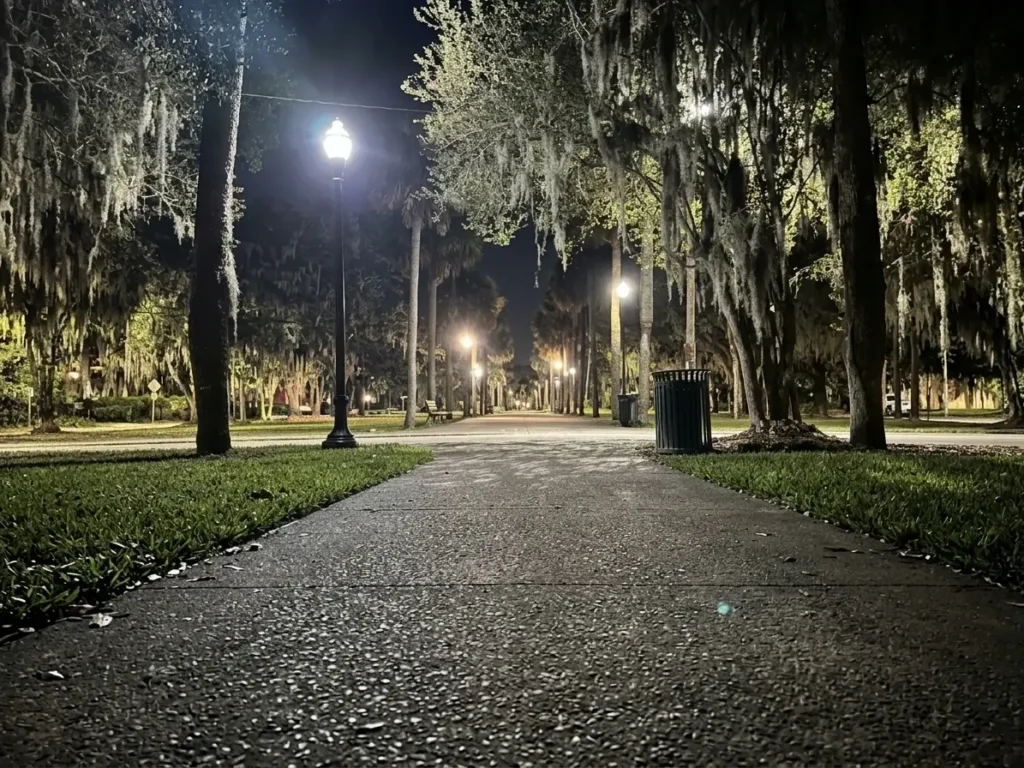
Is the Savannah Historic District Safe?
Yes, the Savannah Historic District is where many visitors spend most of their trip. It has hotels, restaurants, attractions, historic squares, and pedestrian routes close together.
That makes the district convenient for tourists. It does not mean every street has the same conditions at every hour.
The Historic District covers a compact area with many visitor services. Visit Savannah describes it as highly walkable, with more than 300 shops, restaurants, and attractions within the district.
Safety still depends on your route, time, and surroundings. The same basic city precautions apply here as elsewhere in Savannah.
Why Most Tourists Stay in the Historic District
The Historic District puts many major Savannah attractions within walking distance.
Visitors can explore historic squares, museums, restaurants, shops, churches, and historic homes without driving between every stop.
The district also has a large selection of hotels and inns. Visit Savannah lists numerous properties throughout the Historic District, including hotels near River Street and Forsyth Park.
The area’s layout also helps visitors plan trips on foot. Savannah’s historic squares create natural stopping points between attractions.
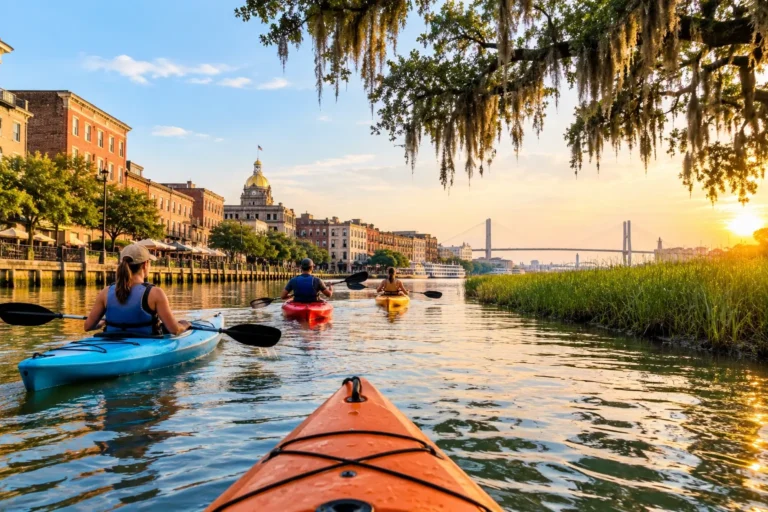
The Savannah River forms the northern edge of the district. River Street runs along the waterfront and connects several visitor areas.
Free transportation gives visitors another option. The DOT provides fare free service around the Historic Landmark District.
The Savannah Belles Ferry also connects downtown with the convention center and Hutchinson Island. Visit Savannah lists the ferry as a free service for visitors.
These options can reduce the need to drive or walk long distances.
The district also has many public parking options. The city operates parking garages, surface lots, and metered spaces downtown.
For many travelers, staying in the Historic District makes transportation simpler. You can often leave the rental car parked and explore nearby attractions on foot.
Is the Historic District Safe at Night?
The Historic District remains active after dark, especially around restaurants, bars, hotels, and major visitor areas.
However, activity changes as businesses close. A street with heavy evening traffic can become much quieter later at night.
Do not treat the entire district as one nighttime environment.
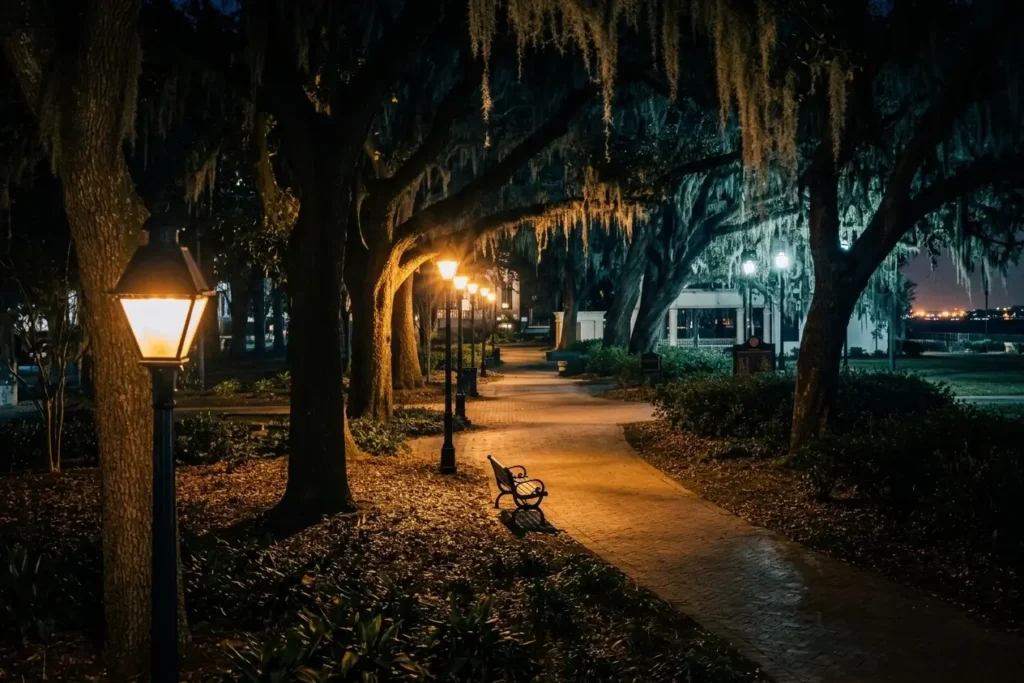
Stay aware of foot traffic and lighting when choosing your route. Avoid shortcuts through isolated areas, especially when traveling alone.
Savannah Police recommends avoiding walking alone at night. The department also advises people to stay in well lit areas and avoid shortcuts.
Traffic remains another concern after dark. Use marked crossings and watch for turning vehicles.
Alcohol can also change your judgment. If you plan to visit bars or drink with dinner, arrange your return before leaving your hotel.
A rideshare can make sense when your destination sits outside your normal walking route. It can also help when streets become quieter later at night.
The important distinction is simple. The Historic District is a busy tourist area, but busy does not mean every street stays busy all night.
Historic District Safety Boundaries
Knowing the district’s basic boundaries helps when reading crime reports or planning your hotel.
The City of Savannah’s tour guide manual defines the Historic District perimeter using four main edges.
The Savannah River forms the northern boundary.
East Broad Street forms the eastern boundary.
Gwinnett Street forms the southern boundary.
Martin Luther King Jr. Boulevard forms the western boundary.
You do not need to memorize these streets before visiting.
They matter because Savannah extends well beyond the main tourist core. A crime statistic for the entire city covers areas that most visitors may never enter.
The Historic District also connects with nearby areas that tourists often visit. Forsyth Park sits toward the southern end of the visitor area, while River Street runs along the northern waterfront.
This makes location important when you read about Savannah crime.
A citywide number does not describe conditions outside your hotel door. It also cannot predict what will happen during one evening walk.
For visitors, the better approach is to look at the specific area, time, and activity involved.
Stay aware, choose sensible routes, and use available transportation when walking no longer fits your plans.
Is River Street Safe at Night?
River Street is generally busy during the day and remains active into the evening.
The waterfront has restaurants, bars, shops, hotels, riverboat tours, and entertainment venues.
That activity can make River Street feel different at night than quieter parts of Savannah.
Crowds can increase around restaurants and bars. Weekend evenings can also bring larger groups and more alcohol use.
The main safety concerns for visitors are often practical. These include uneven surfaces, stairs, traffic, crowds, alcohol, and planning your trip back to the hotel.
River Street Walking Safety
River Street sits below Savannah’s historic bluff along the Savannah River.
Getting between the upper Historic District and the waterfront can involve ramps, elevators, cobblestones, or historic stone stairs.
Visit Savannah specifically notes accessible routes to the waterfront. These include elevators near City Hall and the Hyatt Regency, along with ramps and historic stairs.
Watch your footing when walking on cobblestones or uneven surfaces.
Take extra care on stairs after dark. Wet weather can also make hard surfaces more difficult to navigate.
Factors Walk has additional elevation changes and narrow historic passages. It can feel very different from the wider streets above the bluff.
River Street also has pedestrian traffic around restaurants, shops, and waterfront attractions.
Use designated crossings when crossing streets. Watch for turning vehicles and cars entering or leaving driveways.
The City of Savannah advises pedestrians to use sidewalks when available and cross at marked crossings or intersections. It also recommends watching traffic from every direction.
Do not assume that being in a pedestrian area removes traffic risks.
If you are carrying drinks, luggage, or shopping bags, keep your attention on the path ahead.
River Street Nightlife and Alcohol
River Street has restaurants, bars, rooftop venues, and other nightlife options.
Alcohol can change the safety situation even when the surrounding area is crowded.
Savannah’s local rules can also change during major events.
For example, the City’s 2026 St. Patrick’s Day guidance allowed alcoholic drinks outside establishments only in approved plastic to-go cups within the designated control area. The City also listed restrictions on container types and public alcohol use.
Outside special event areas, do not assume that every drink can legally be carried through public spaces.
The City’s public safety information lists an open-container violation and other alcohol-related local ordinance violations.
Rules can also change for festivals, parades, and other special events.
Check the City’s current event rules before visiting during a major festival.
Do not drink and drive. Savannah’s official event guidance specifically recommends rideshare or other transportation instead.
If you drink on River Street, decide how you will return to your hotel before your evening starts.
That may mean walking with your group, using a rideshare, or arranging another transportation option.
Do not walk long distances while heavily intoxicated. Alcohol can impair judgment, balance, and awareness.
If you feel uncomfortable or need assistance, move toward a staffed business or area with other people.
Is City Market Safe at Night?
City Market is one of Savannah’s main entertainment areas.
The district has restaurants, bars, shops, live entertainment, and pedestrian activity. Its location also puts it close to other parts of the Historic District.
City Market can stay active after many daytime attractions have closed.
That makes it different from quieter residential streets.
Crowds are common around restaurants and nightlife venues. Major events can create much larger crowds and temporary street closures.
For example, the City designated the April 2026 Crush Reloaded weekend as a major special event. Temporary street closures and increased public safety measures were used around City Market.
Visitors should expect conditions to change during major events.
What Should You Know About City Market After Dark?
City Market is easy to combine with an evening downtown itinerary.
You can walk between restaurants, bars, shops, and nearby squares without repeatedly getting into a car.
After dark, stay aware of the crowd around you.
Keep your phone and wallet secure in busy areas. Avoid leaving bags or valuables unattended at restaurants or outdoor seating.
Savannah Police recommends staying in well-lit areas, avoiding shortcuts, and avoiding walking alone at night.
Late-night conditions can change as businesses close.
A busy area can become quieter within a few blocks. Your route back to the hotel may also be different from your route earlier in the evening.
If your hotel is within an easy walking distance, stay on active streets with regular pedestrian traffic.
If you are traveling alone, have been drinking, or feel uncomfortable with the route, use a rideshare.
Major events may also use designated rideshare pickup areas.
During the 2026 St. Patrick’s Day period, Savannah used specific late-night rideshare zones in downtown areas. The City also instructed riders not to flag drivers down in the middle of the street.
Check current event transportation instructions when visiting during a festival or large downtown event.
The practical rule for City Market is simple. Enjoy the nightlife, stay aware in crowds, and plan your trip back before the evening gets late.
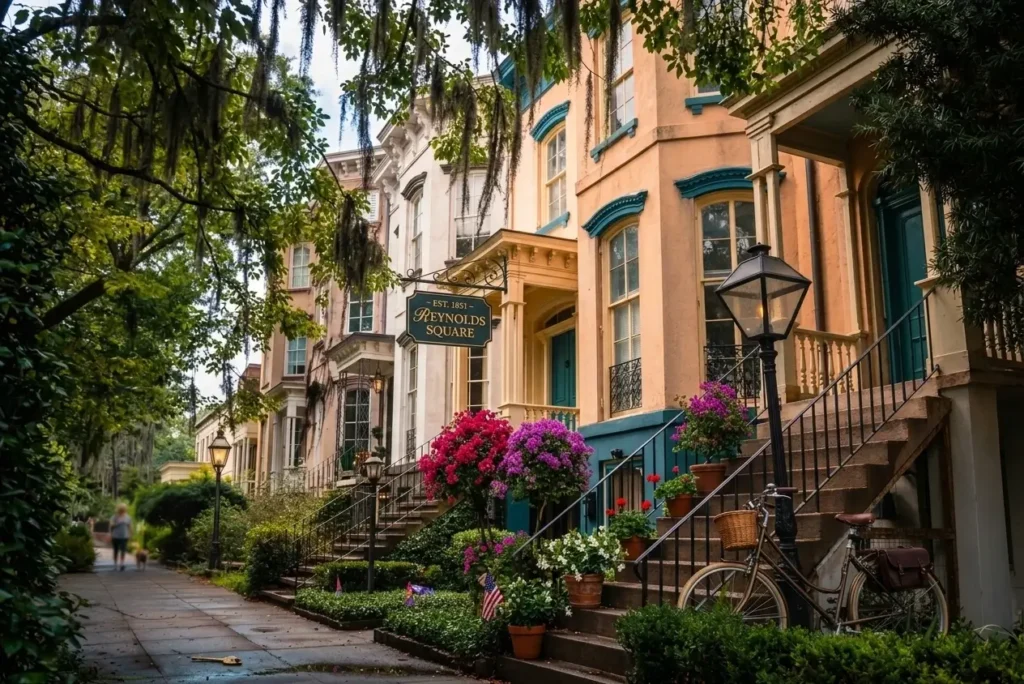
Which Areas of Savannah Should Tourists Be More Cautious Around?
Savannah has several distinct areas beyond the main tourist core.
Conditions can vary between neighborhoods, commercial corridors, residential streets, and major attractions.
That does not make an entire neighborhood safe or unsafe.
Savannah Police tracks crime through precincts, beats, and weekly CompStat reports. Those boundaries do not always match the neighborhood names tourists use.
The better approach is to consider where you are going, why you are going there, and when you plan to return.
For most visitors, the Historic District remains the main base. Other areas can still be useful for restaurants, nightlife, hotels, shopping, or specific attractions.
Tourist Core vs. Residential Areas
The Historic District has the highest concentration of visitor activity.
Hotels, restaurants, attractions, squares, museums, shops, and tour operators are clustered throughout the area. Visit Savannah also identifies the Historic and Victorian districts as major visitor areas.
Residential areas work differently.
You may see fewer tourists, fewer businesses, and less pedestrian traffic on some streets.
That does not automatically indicate a safety problem.
It simply means visitors have fewer familiar services nearby.
This distinction matters most after dark.
A route that feels convenient during the afternoon may have much less foot traffic later.
If you are unfamiliar with Savannah, stay on active streets and avoid unnecessary shortcuts through quiet areas.
Savannah Police specifically recommends avoiding walking alone at night, using well lit areas, and avoiding shortcuts.
West Savannah
West Savannah is primarily relevant when your plans take you outside the main visitor core.
It is not an area most first-time tourists need to explore simply because they are visiting Savannah.
Some visitors may pass through the western part of the city for specific businesses, local destinations, or accommodations.
Current SPD data shows that crime occurs across multiple parts of Savannah. The department’s 2026 archive publishes recurring CompStat reports and incident maps rather than declaring entire neighborhoods safe or unsafe.
That distinction is important.
A shooting or other serious incident at a specific address does not establish that every nearby street presents the same conditions.
If your itinerary takes you into West Savannah, check your exact destination and transportation plan.
For a late return, driving or using a rideshare can be more practical than walking an unfamiliar residential route.
Southside Savannah
Southside is a large part of Savannah rather than one small tourist neighborhood.
Visit Savannah describes it as a district with hotels, restaurants, shopping, and attractions. It is also about a 15 minute drive from downtown under typical conditions.
That makes Southside relevant to travelers staying outside the Historic District.
The area also has major commercial roads and shopping centers. Visitors may encounter more vehicle traffic and less continuous pedestrian activity than downtown.
That changes how you should move around.
Do not assume a hotel is within comfortable walking distance of a restaurant or attraction because both addresses are listed as being in Southside.
Check the actual distance and road layout.
At night, consider driving or using a rideshare when destinations are separated by major roads.
The same advice applies to parking. Lock the vehicle and keep valuables out of sight.
Savannah Police specifically advises visitors and residents to lock vehicles and keep valuables out of view.
Midtown Savannah
Midtown is another area where visitors may stay outside the Historic District.
Visit Savannah describes Midtown as an area with hotels, restaurants, boutiques, nightlife, Daffin Park, Grayson Stadium, and Habersham Village.
It can work well for travelers whose plans extend beyond downtown.
The main difference is transportation.
Midtown is more spread out than the Historic District. Walking between unrelated destinations may be less practical.
Visitors should also pay attention to traffic when crossing major roads.
If you are staying in Midtown, use the hotel address as your starting point for planning.
Do not judge the entire district from one block or one incident.
Current SPD crime reporting is based on specific beats and incidents. Citywide totals also include residents, businesses, and areas that tourists may never visit.
Victorian District
The Victorian District is directly relevant to tourists because it borders Forsyth Park and sits next to the Historic District.
Visit Savannah describes it as a largely residential district with roughly 45 to 50 blocks of historic homes, along with restaurants, museums, and other visitor attractions.
Visitors commonly walk through the area while visiting Forsyth Park.
That means you may encounter a mix of tourists, residents, students, businesses, and residential streets.
Treat it as a neighborhood rather than an extension of the busiest tourist streets.
During the day, normal sightseeing precautions are appropriate.
After dark, pay closer attention to lighting and foot traffic.
If a residential block becomes quiet, you do not need to continue walking simply because it appears close on a map.
Choose a more active route or use transportation.
The goal is not to avoid the Victorian District.
The goal is to understand that visitor activity and residential activity overlap there.
Starland District
Starland District is one of Savannah’s most relevant areas outside the Historic District for food, nightlife, arts, and entertainment.
Visit Savannah places Starland just beyond the Historic District and describes roughly 35 blocks extending from the southern part of Forsyth Park toward Victory Drive.
The district includes restaurants, cafes, galleries, bars, entertainment venues, and other local businesses.
That gives Starland genuine visitor relevance.
It also means conditions can change during the evening.
A restaurant or bar corridor can have significant foot traffic while nearby residential blocks are much quieter.
If you visit Starland for dinner or nightlife, plan the return trip before leaving the busy commercial area.
Walking can make sense when your hotel and destination are close and the route remains active.
For a longer late-night trip, rideshare may be more convenient.
Do not use a single crime report to decide whether the entire Starland District is safe or unsafe.
The same principle applies throughout Savannah.
Look at the specific location, current conditions, transportation options, and time of day.
How Tourists Should Use Neighborhood Crime Data
Neighborhood crime numbers need context.
SPD’s 2025 annual report shows different crime totals across individual police beats. Those figures can help identify where incidents were reported, but they do not measure the personal risk of a tourist visiting one attraction or walking one block.
The city’s 2026 CompStat archive also shows why current information matters. New incident maps and reports are added regularly.
For a trip to Savannah, focus on three questions:
- Where exactly am I going?
- What will the area be like when I arrive?
- How will I return to my hotel?
That approach is more useful than searching for a list of “dangerous neighborhoods.”
Savannah is a city with different residential, commercial, and tourist environments.
Use current information for the specific area you plan to visit, then make transportation and walking choices that fit the conditions.
Is Savannah Safe for Families?
Savannah can be a practical destination for families, especially when you stay near the attractions you plan to visit.
The Historic District has many attractions, restaurants, squares, and hotels within walking distance. Visit Savannah also lists museums, parks, tours, and other family-focused activities throughout the city.
Families should still plan around traffic, walking distances, weather, and nighttime activity.
Young children also need closer supervision around busy streets and crowded areas.
Walking With Children
Walking is one of the easiest ways to explore central Savannah.
The Historic District has many attractions close together, which can reduce the need for repeated car trips.
With children, keep the group together when crossing streets and moving through busy areas.
Use sidewalks whenever they are available.
Pay attention near driveways, parking lots, and intersections.
Savannah’s historic streets can also include uneven surfaces and changes in elevation. Keep younger children close when walking near stairs, curbs, or waterfront areas.
A stroller can be useful, but some routes may be less convenient than others.
If your child becomes tired, use transportation rather than extending a long walk.
The City also provides pedestrian safety guidance that applies to families. It recommends sidewalks, marked crossings, and checking for vehicles in every direction.
Traffic and Crosswalk Safety
Traffic deserves particular attention when visiting Savannah with children.
Do not assume drivers will see a child stepping into a crosswalk.
The City advises pedestrians to cross at crosswalks or intersections and look for vehicles turning from both directions.
Watch for vehicles entering or leaving driveways.
Also watch cars backing out of parking spaces.
Savannah uses pedestrian signals at some intersections. The City advises pedestrians to activate these signals when available and wait for traffic to stop before crossing.
Teach children to stop at the curb and wait for the adult before crossing.
Do not let children run ahead through intersections, even when the street appears quiet.
This is especially important around major roads and busy downtown corridors.
Nighttime With Kids
Savannah’s main visitor areas can remain active into the evening.
Restaurants, attractions, and entertainment venues can keep parts of downtown busy after sunset.
Conditions still change as businesses close.
Families should not assume that every street will have the same foot traffic late at night.
Keep children close when walking after dark.
Choose well lit routes with regular activity.
Savannah Police recommends avoiding walking alone at night and avoiding shortcuts through quieter areas.
For families, this can mean choosing a slightly longer active route instead of the shortest route.
You can also use a rideshare when children are tired or when the return walk would be inconvenient.
If your evening includes alcohol for the adults, arrange transportation before leaving the restaurant or entertainment area.
The goal is to make the return trip predictable rather than deciding at the end of the evening.
Choosing a Family-Friendly Hotel Location
Hotel location can make a noticeable difference for families.
A property near your main attractions can reduce walking distances and transportation time.
The Historic District has many hotels close to restaurants, squares, museums, and other visitor attractions. Visit Savannah also provides family-friendly accommodation filters and lists properties across the Historic District, Victorian District, Midtown, Southside, and other areas.
Before booking, check the actual location rather than relying only on the neighborhood name.
Look at:
- Distance to your main attractions
- Distance to restaurants
- Parking availability
- Hotel entrance location
- Pool availability if needed
- Room configuration
- Elevator access
- Expected walking distance at night
- Rideshare access
For younger children, staying close to daytime activities can make the trip easier.
For families planning late dinners or evening tours, consider how you will return to the hotel.
A hotel that requires a long walk after every evening activity may be less convenient than one closer to your itinerary.
Savannah has many family-oriented attractions and lodging options, so the best location depends on what your family plans to do.
For families, the practical safety question is not simply whether Savannah is safe.
It is whether your hotel, walking routes, transportation, and daily schedule fit your family’s needs.
Is Savannah Safe for Couples?
Savannah is well suited to couples who want to combine walking, restaurants, nightlife, and evening activities.
The Historic District and River Street have many restaurants, bars, and entertainment options within a walkable area.
Couples should still use normal city safety habits, especially after dark.
Evening Walks
Walking after dinner can be practical in the main tourist areas.
Stay on active streets and pay attention to traffic at intersections and crosswalks. The City advises pedestrians to use sidewalks and marked crossings.
If a route becomes quiet or unfamiliar, choose another route or use transportation.
Restaurants and Nightlife
Savannah has restaurants, rooftop bars, live entertainment, and late-night venues throughout the downtown area. River Street and the Plant Riverside District are particularly active after sunset.
Crowds can make popular areas feel more active, but couples should still keep phones, wallets, and other valuables secure.
If you drink alcohol, plan your return before leaving the restaurant or bar.
The City advises against drinking and driving and recommends having a transportation plan during major events.
River Street and the Waterfront
River Street can be a good evening stop for couples, with waterfront dining, bars, rooftop venues, and views of the Savannah River.
Watch your footing on the historic cobblestones and stairs.
If you have been drinking, take extra care around uneven surfaces and waterfront routes.
Returning to Your Hotel
Before starting a late evening, know how you will get back to your hotel.
If your hotel is within an active walking route, walking may be convenient.
If the route becomes quiet, you have been drinking, or you are staying outside the central visitor area, consider a rideshare.
The goal is not to avoid Savannah after dark. It is to choose a return route that matches the time, location, and conditions.
Walking Safety in Savannah
Walking is one of the easiest ways to explore central Savannah.
The City describes downtown as easy to navigate on foot. It also warns that jaywalking can be dangerous.
For visitors, walking safety involves more than crime.
Traffic, crosswalks, uneven surfaces, stairs, weather, and nighttime visibility can all affect your route.
Is Savannah Walkable?
Yes. Central Savannah is highly walkable, especially around the Historic District.
Historic squares, restaurants, hotels, museums, shops, and attractions are often close together.
This makes walking practical for many daytime sightseeing trips.
You can also combine walking with Savannah’s downtown transportation options when a destination is farther away.
The city maintains pedestrian facilities and continues to work on projects designed to improve walking conditions. Savannah’s Vision Zero program focuses on reducing traffic deaths and serious injuries across the city.
Walkability does not mean every street has identical conditions.
Some roads carry considerably more traffic than quiet residential streets.
Your route matters, especially when traveling with children, carrying luggage, or walking after dark.
Pedestrian Safety
Treat traffic as one of the main safety issues when walking around Savannah.
Use sidewalks whenever they are available.
Cross at marked crosswalks or intersections.
Look in every direction before crossing, including for vehicles turning across your path.
The City specifically warns pedestrians to watch for cars entering or leaving driveways and backing up in parking areas.
Do not assume a driver has seen you because you are standing in a crosswalk.
Avoid using your phone while crossing busy streets.
At night, choose routes with good lighting and regular activity.
Savannah Police also recommends avoiding walking alone at night and avoiding shortcuts through isolated areas.
Traffic safety is an important part of Savannah’s current city planning.
The City’s Vision Zero program aims to eliminate traffic fatalities and severe injuries while improving mobility for pedestrians and other road users.
Busy Roads to Pay Attention Around
Some Savannah roads require more attention because they carry heavier traffic or connect major parts of the city.
Bay Street is particularly important for visitors moving between the Historic District and River Street.
The City’s Vision Zero planning documents have identified Bay Street among areas with increased pedestrian activity and pedestrian crash concerns.
Abercorn Street is another major corridor where traffic conditions deserve attention. City planning documents identify parts of Abercorn among streets where higher vehicle speeds have contributed to pedestrian safety concerns.
Other major roads can also feel very different from the smaller streets around the historic squares.
Do not judge a crossing only by how close it appears on a map.
A slightly longer route with a marked crossing can be the better option.
The City has also lowered speed limits on many streets as part of its Vision Zero traffic safety program.
Sidewalks, Bricks and Uneven Surfaces
Savannah’s historic setting means walking surfaces are not always perfectly smooth.
You may encounter brick sidewalks, uneven pavement, curbs, steps, and older surfaces.
Watch your footing when walking while using a phone or taking photos.
Rain can also make hard surfaces slippery.
Give yourself extra time when walking with children, older travelers, or anyone with limited mobility.
Comfortable shoes can make a meaningful difference during a full day of sightseeing.
Do not assume that the shortest route on a map is the easiest route on foot.
If a sidewalk becomes difficult to navigate, consider another street or use transportation for that portion of the trip.
River Street Stairs and Factors Walk
River Street sits below Savannah’s historic bluff.
Reaching the waterfront from the upper Historic District can involve stairs, ramps, elevators, or sloped routes.
Factors Walk includes historic passages and changes in elevation between the upper streets and River Street.
These areas are part of Savannah’s visitor experience, but they require more attention than a flat sidewalk.
Take your time on stairs.
Use handrails where available.
Watch for uneven surfaces and wet pavement after rain.
If you are carrying luggage, using a stroller, or have mobility concerns, check the route before starting.
The City has pedestrian wayfinding infrastructure around River Street, Factors Walk, and nearby attractions. Its downtown system also identifies elevators and other pedestrian connections between levels.
The practical rule for walking in Savannah is simple: use marked crossings, watch traffic, slow down on uneven surfaces, and choose your route based on the conditions you actually face.
Savannah’s walkability is a major advantage for visitors. Good pedestrian habits help you enjoy it without treating every street as if it has the same conditions.
Driving, Parking and Rental-Car Safety
Driving in Savannah is manageable, but downtown parking and traffic can add extra steps to a short trip.
A rental car can be useful for beaches, plantations, nearby islands, and day trips outside the city.
For a trip focused on the Historic District, you may not need one.
The main issues for drivers are parking rules, traffic, vehicle security, and knowing where you will leave the car.
Is It Safe to Drive in Savannah?
Driving in Savannah is generally straightforward when you understand the downtown street layout.
The Historic District has one way streets, intersections, pedestrians, cyclists, and frequent activity around attractions.
Give pedestrians extra space and watch carefully at crosswalks.
The City advises drivers to use extra caution around pedestrians, especially at night and during poor weather.
Do not assume a pedestrian has seen your vehicle.
Take extra care when turning across a crosswalk or entering a driveway.
If you are unfamiliar with Savannah, allow extra time rather than rushing between attractions.
Traffic can also increase during festivals, parades, sporting events, and major downtown gatherings.
Check current road closures and parking restrictions before driving into the Historic District during a major event.
Parking Safely
Savannah has city owned parking garages, surface parking, and metered spaces.
The City operates several downtown garages, including Bryan Street, Liberty Street, Robinson, State Street, Whitaker Street, and Eastern Wharf.
Parking meters are currently enforced during specific hours and rates vary by zone. The City also allows payment through the Park Savannah app.
Always read the signs where you park.
Check whether the space has a time limit, special event restriction, street sweeping restriction, or permit requirement.
Do not assume that parking is free because another nearby space is free.
The City can tow vehicles that are illegally parked. Rental vehicles can create an extra complication because Savannah Police releases a towed rental vehicle directly to the rental company.
If you plan to leave your car overnight, confirm the hotel’s parking arrangements before booking.
Vehicle Break-Ins
Vehicle break-ins are one of the main reasons to take parking security seriously.
Savannah Police advises drivers to lock their vehicles, close the windows, and keep valuables out of sight. The department specifically says visible valuables are a major reason vehicles are targeted.
Do not leave luggage visible through the windows.
Do not leave shopping bags, backpacks, cameras, laptops, passports, or electronics on the seats.
If you have luggage with you, move it to the trunk before reaching your final parking location.
Avoid moving valuables around after you park. Someone watching the vehicle may notice where you put them.
When staying late, Savannah Police recommends parking near an exit or attendant rather than in a remote area that will be empty when you return.
These habits are especially important with rental cars because tourists may have luggage and unfamiliar equipment inside.
What Not to Leave in a Rental Car
Treat a rental car as a temporary vehicle, not a storage space.
Do not leave these items visible:
- Passport or identification
- Wallet or cash
- Laptop or tablet
- Camera
- Phone
- Shopping bags
- Backpacks
- Hotel documents
- Rental paperwork
- Expensive clothing or electronics
Savannah Police also advises carrying registration and insurance information with you rather than leaving personal identification documents or credit cards inside the vehicle.
If you must leave luggage in the vehicle, place it in the trunk before arriving at your parking destination.
Do not assume a locked trunk makes a rental car immune from theft.
The goal is to avoid giving someone a visible reason to target the vehicle.
Do You Need a Car in Savannah?
You may not need a car if your trip focuses mainly on the Historic District.
Many major attractions, restaurants, squares, and hotels are close enough to reach on foot.
The City also provides downtown transportation options, although service and operating status can change. The City’s current transportation page lists the Savannah Belles Passenger Ferry and provides current information about the DOT system.
A car becomes more useful when your itinerary includes places outside central Savannah.
That can include:
- Tybee Island
- Savannah National Wildlife Refuge
- Skidaway Island
- Hilton Head Island
- Fort Pulaski
- Jekyll Island
- Other coastal day trips
If your hotel is outside the central visitor area, a car can also make daily transportation easier.
For a downtown focused trip, compare the rental cost with parking, hotel parking fees, and transportation costs before booking.
You may find that leaving the car behind makes the trip simpler.
If you do rent a car, keep it empty of visible valuables, follow posted parking rules, and plan where you will park before driving into downtown.
That approach also makes it easier to combine a car based day trip with a car free evening in the Historic District.
Other Safety Risks Besides Crime
Safety in Savannah is not only about crime.
Weather, traffic, insects, uneven surfaces, and coastal conditions can also affect visitors.
These risks are usually easier to manage when you know what to expect.
Heat and Humidity
Savannah can become very hot and humid, especially during summer.
High humidity can make outdoor temperatures feel considerably hotter than the actual air temperature.
The National Weather Service has issued heat advisories for Savannah when heat index values reached dangerous levels. Recent guidance advised visitors to drink fluids, stay in air conditioning, limit strenuous activity, and avoid prolonged sun exposure.
Plan long walking days around the weather.
Carry water when spending several hours outside.
Take breaks in air conditioned businesses, museums, restaurants, or your hotel.
Lightweight clothing can also make extended outdoor walks more comfortable.
Do not ignore dizziness, unusual fatigue, confusion, or other signs of heat illness.
Thunderstorms and Coastal Weather
Savannah can experience thunderstorms, heavy rain, strong winds, and lightning.
Weather can change quickly during the warmer months.
Check the forecast before starting a long walking tour, beach trip, or outdoor activity.
If thunderstorms approach, move indoors rather than remaining in an exposed park or waterfront area.
Coastal weather can also affect plans around the Savannah River and nearby barrier islands.
Do not assume that a short rain shower will be the only weather issue during a storm.
Monitor official weather alerts when conditions are unsettled.
Flooding and Storm Conditions
Savannah sits in a flat, low lying coastal region.
The City says heavy rainfall and storm surge can create flooding in Savannah and Chatham County.
Localized flooding can affect roads, parking areas, sidewalks, and other travel routes.
During heavy rain, do not drive through standing water.
The City specifically warns that floodwater can be deeper than it appears. It also says affected streets may be barricaded and closed.
Hurricanes and tropical storms create additional risks.
These can include heavy rain, strong winds, storm surge, and coastal flooding.
The City maintains a dedicated hurricane information page for storm updates and operational information.
If a major storm threatens Savannah during your trip, follow official evacuation, shelter, road closure, and transportation instructions.
Do not rely only on social media posts or old travel advice.
Mosquitoes and Insects
Mosquitoes are another practical consideration when spending time outdoors.
The CDC says mosquitoes in Georgia can spread diseases and recommends preventing bites.
Use an EPA registered insect repellent when spending time outdoors.
DEET and picaridin are among the active ingredients recommended by the CDC.
Long sleeves and long pants can provide additional protection when practical.
Screened or air conditioned rooms can also reduce exposure.
This matters more during outdoor activities around parks, marshes, trails, and coastal areas.
The Georgia Department of Public Health notes that some mosquitoes are active during the day, including periods around early morning and late afternoon.
You do not need to avoid Savannah’s outdoor attractions because of mosquitoes.
Use repellent and adjust your clothing and timing when mosquito activity becomes noticeable.
Slippery or Uneven Surfaces
Savannah’s historic streets and waterfront areas include surfaces that may be uneven.
Visitors can encounter brick sidewalks, cobblestones, curbs, stairs, ramps, and older pavement.
Rain can make some hard surfaces slippery.
Slow down when walking near River Street, Factors Walk, historic stairs, and other areas with changes in elevation.
Wear shoes with good traction if you plan to walk for several hours.
Give yourself extra time when traveling with children, older adults, luggage, or a stroller.
Do not rush down stairs simply because your destination is nearby.
Pedestrian and Traffic Risks
Traffic is one of the most important non crime safety issues for visitors.
Savannah is highly walkable, especially downtown, but pedestrians still share streets with cars, bicycles, delivery vehicles, and other road users.
The City advises pedestrians to use sidewalks, cross at crosswalks or intersections, and look for vehicles in every direction.
Watch for turning vehicles.
Also watch for cars entering or leaving driveways and backing out of parking areas.
Avoid crossing while distracted by your phone.
At night, choose well lit crossings and remain alert to traffic.
Savannah’s transportation department manages pedestrian and vehicular safety, traffic signals, signs, pavement markings, and street lighting.
The practical takeaway is simple.
Crime is only one part of staying safe in Savannah.
Pay attention to heat, storms, flooding, insects, walking surfaces, and traffic.
These everyday risks can affect your trip just as much as the safety concerns people usually search for.
Is Savannah Safe to Live In?
If you are asking is Savannah Georgia safe to live, the answer requires a different type of research than a short visit.
Living in Savannah and visiting Savannah are different search intents.
Tourists usually focus on hotel locations, walking routes, nightlife, parking, and short-term safety.
Residents also need to consider neighborhood conditions, housing, schools, commuting, property crime, and daily services.
Savannah has many distinct neighborhoods, and conditions can vary across the city. The City maintains an updated neighborhood mapping system with information about local amenities, schools, parks, libraries, grocery stores, and transit stops.
Savannah Police also publishes weekly and annual crime reports for people researching local crime patterns.
So, is Savannah GA safe to live is better answered at the neighborhood level than with one citywide label.
For visitors, this article focuses on practical tourist safety.
For people considering a move, see our dedicated guide: Safest Neighborhoods in Savannah, GA.
Frequently Asked Questions About Savannah Safety
Current Savannah Safety Resources
Safety information can change after this article is published.
Before your trip, check current official sources for crime reports, emergency information, transportation changes, severe weather, and local safety notices.
Savannah Police Department
The Savannah Police Department provides police services, crime reports, online reporting, precinct information, and public safety resources. Its Information Desk is available daily from 7 AM to midnight.
City of Savannah
The City of Savannah official website provides information about public safety, emergency services, transportation, parking, weather-related issues, and other city services.
Emergency Services
For an immediate emergency involving police, fire, or medical assistance, call 911.
For non-emergency City services and information, Savannah’s 311 service can help with local government requests.
Current Crime Reports
The Savannah Police Department Crime Report page provides weekly and annual crime reports. Use these reports when you want the most current official crime information.
CompStat and Incident Maps
The City of Savannah’s SPD Weekly Crime Reports archive publishes weekly CompStat reports and incident maps.
The archive currently includes 2026 reports through September, giving visitors a way to check recent reported activity rather than relying on older articles or social media posts.
Online Police Reporting
For certain qualifying non-emergency incidents inside Savannah city limits, SPD provides an online reporting system.
Eligible reports generally involve incidents with no known suspect, no physical evidence, and no immediate emergency. The system includes qualifying lost-property, vandalism, identity-fraud, traffic-complaint, and private-property crash reports.
Official Visitor Information
For trip planning, use Visit Savannah for official destination information, visitor resources, attractions, accommodations, and travel updates.
Check Before You Travel
For the most useful safety information, check these sources close to your travel dates.
Crime reports can change.
Weather conditions can change.
Transportation schedules can change.
Major events can also change normal downtown conditions.
Using current official information gives you a better picture than relying on an old safety article alone.
You like aur more pages
- To explore more travel itineraries and local recommendations across the city, check out this comprehensive Savannah travel guide.
- For a complete guide on where to dine throughout the city, explore these popular restaurants in Savannah GA.
- To discover iconic squares, antebellum architecture, and key landmarks nearby, check out this guide to the Savannah Historic District.
- To help you explore coastal activities, water sports, and seaside attractions, read this guide on things to do in Savannah Beach.
- For details on nature trails, birdwatching spots, and local ecosystems, explore this guide to the wildlife refuge Savannah.
- To learn more about the city’s rich history, unique architecture, and local culture, check out these interesting Savannah facts.
- To plan your visit and explore the history and architecture of this iconic landmark, read more about Bonaventure Cemetery tours.
- For a scenic evening on the river with local dining and live entertainment, explore your options for a Savannah boat dinner.

John Robert
Travel Writer & Founder @ Thing Savannah
John Robert is a travel writer and explorer specializing in authentic regional guides, detailed itineraries, and practical travel logistics.