

Historic Jones Street Savannah – History, Walking Guide & Map
Historic Jones Street in Savannah, Georgia, is known for its brick streets, historic houses, and oak trees. Many homes date to the 1800s, with detailed ironwork, tall windows, and carefully maintained gardens. The street runs through Savannah’s Historic District, just north of Forsyth Park.
Visitors come here to admire the architecture, take photos, and enjoy a quiet walk. You can explore Jones Street for free without joining a guided tour. This guide covers its history, best blocks, notable houses, walking directions, parking, and nearby attractions.
Historic Jones Street Savannah at a Glance
Jones Street is a public residential street in Savannah’s Historic District. It is open to pedestrians without admission fees or scheduled visiting hours. Most visitors explore a few central blocks rather than walking the entire street.
Detail | Visitor information |
|---|---|
Location | Savannah, Georgia 31401 |
Historic area | Savannah Historic District |
Main intersection | Jones Street and Bull Street |
Admission | Free |
Access | Public street, accessible anytime |
Known for | Historic homes, brick streets, oak trees |
Best activity | Walking and photography |
Suggested visit | 20 to 45 minutes |
Nearby landmark | Forsyth Park |
The suggested visit time is an estimate for exploring selected blocks. Individual businesses and private properties have separate access rules.
Where Is Historic Jones Street in Savannah?
Historic Jones Street runs east and west through downtown Savannah, Georgia. Bull Street divides it into East Jones Street and West Jones Street. The street lies south of Liberty Street and north of Forsyth Park.
Jones Street Location and Address
For your first visit, use the intersection of Jones Street and Bull Street as your starting point. This location gives you access to historic houses in both directions.
West Jones Street extends toward Whitaker Street, Barnard Street, and Montgomery Street. East Jones Street passes Drayton Street, Abercorn Street, and other historic residential blocks.Jones Street does not have one entrance or ticket office. Use a street intersection or a specific building address when entering directions into your navigation app.
Historic Jones Street Savannah Map
The map below shows the central Jones Street area and nearby visitor stops.
How Far Is Jones Street From Forsyth Park and River Street?
Jones Street sits a few blocks north of Forsyth Park. From the park’s northern entrance, follow Bull Street north toward Jones Street. The walk usually takes about 5 to 10 minutes, depending on your starting point.
River Street is farther north. Allow approximately 20 to 30 minutes to reach Jones Street on foot. Your route and walking time depend on where you begin along the waterfront.Both routes pass through the Historic District, making it easy to visit several attractions during one walk.
Why Is Jones Street Famous in Savannah?
Jones Street is famous for its historic architecture, brick pavement, and large oak trees. The houses reflect Savannah’s residential growth during the 1800s. Many buildings still retain the architectural features that made the street well known.
Historic 19th Century Homes
Most historic houses on Jones Street date from 1850 to 1870. Wealthy merchants, professionals, and other residents commissioned substantial homes during Savannah’s period of commercial growth.
Many buildings feature tall windows, brick walls, raised entrances, and decorative iron railings. Some contain Greek Revival details, while others show Italianate and later architectural influences.

Brick Streets, Oak Trees, and Spanish Moss
The brick pavement gives Jones Street much of its recognizable appearance. Mature live oak trees provide shade, while Spanish moss hangs from some branches. Small gardens and iron fences add detail around the historic houses.
The brick paving also reflects changes in Savannah’s streets over time. Earlier roads created dust, especially during dry weather. Brick paving became more common around the beginning of the 1900s.The combination of pavement, trees, and architecture makes walking here different from visiting a single historic landmark.
Is Jones Street Really the Prettiest Street in Savannah?
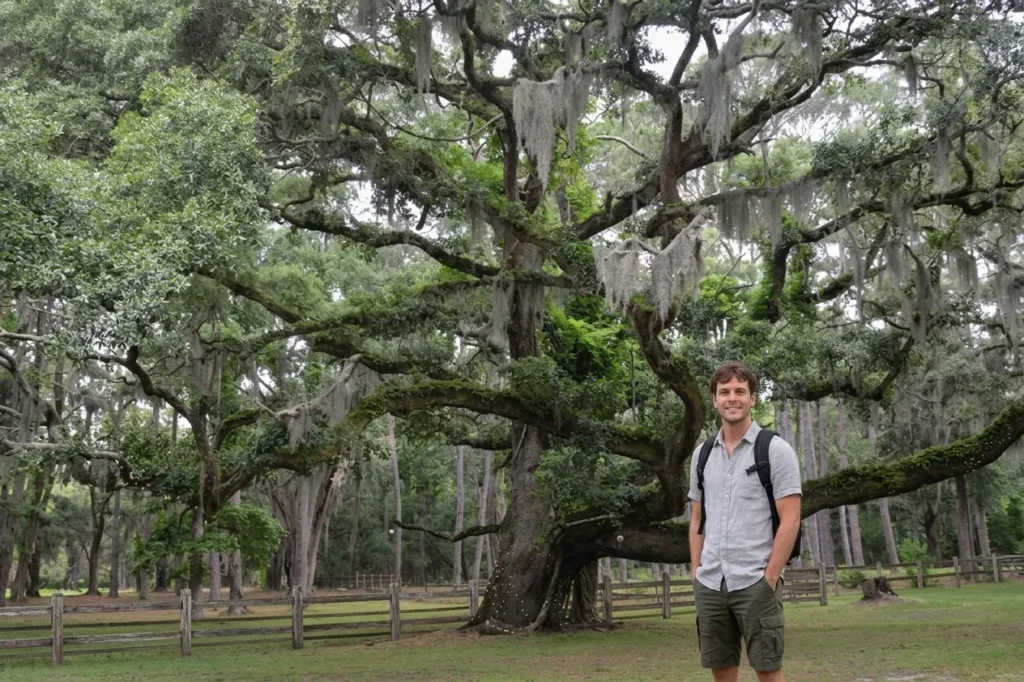
Jones Street often appears in travel guides under the nickname “the prettiest street in Savannah.” Visit Savannah also promotes the street for its architecture, landscaping, and photography opportunities.
There is no single official ranking that makes one Savannah street the prettiest. However, Jones Street has several features visitors often seek together. Its older houses, brick roadway, and tree canopy create a recognizable historic setting.
You can decide whether it deserves the nickname after walking a few blocks.

Best Parts of Jones Street to Visit
The central blocks near Bull Street are a practical starting point for first time visitors. They offer historic buildings, brick pavement, and several places worth photographing. You can explore both East Jones Street and West Jones Street without covering the entire road.
West Jones Street Between Bull and Whitaker Streets
The block between Bull Street and Whitaker Street contains several notable historic residences. These include the Eliza Thompson House and buildings designed by architect John S. Norris.
At 10 West Jones Street, the Noah B. Knapp House dates to 1857. Nearby, the paired buildings at 12 and 14 West Jones Street date to 1891.
Look for differences in windows, entrances, brickwork, and decorative details as you walk. The buildings show how Jones Street continued developing after the Civil War.
East Jones Street Between Bull and Abercorn Streets
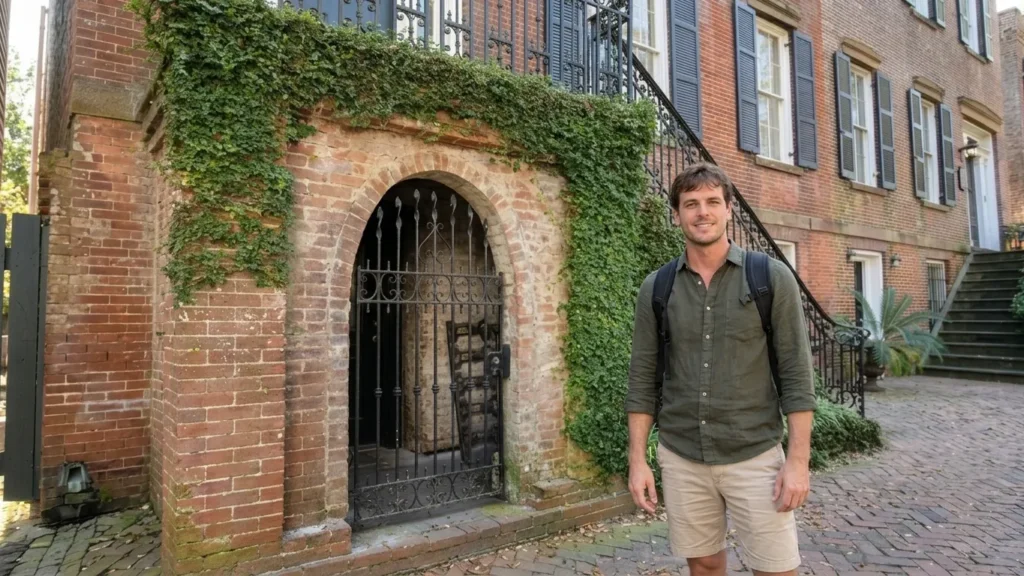
East Jones Street offers another section of historic homes and brick pavement. Start at Bull Street and walk east toward Drayton Street. Continue toward Abercorn Street if you want a longer walk.
Notice the raised entrances, shutters, railings, and different house designs. These details help explain the residential architecture of 19th century Savannah.Many homes remain private residences, so admire them from public sidewalks.
Which Part of Jones Street Should First Time Visitors Choose?
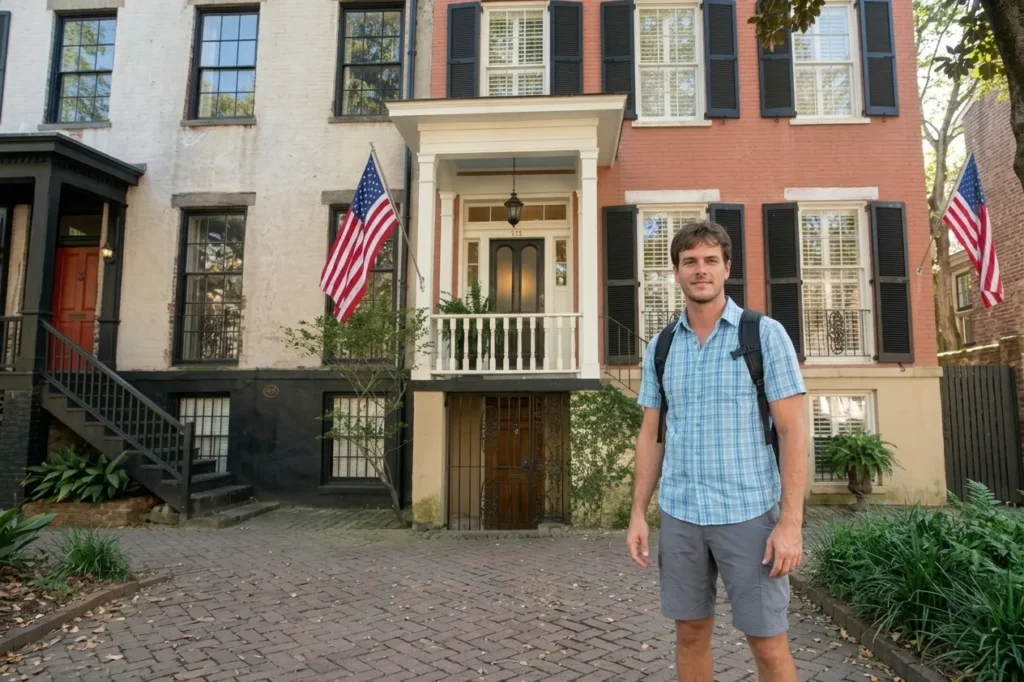
If your time is limited, start at Bull Street and explore the nearby blocks in both directions. This allows you to see historic houses without making a long detour.
Choose West Jones Street if you want to see the Eliza Thompson House and nearby historic buildings. Walk farther east if you want to study additional residential architecture.Visitors interested in a longer history walk can continue toward the 100 and 200 blocks.
Self Guided Jones Street Savannah Walking Tour
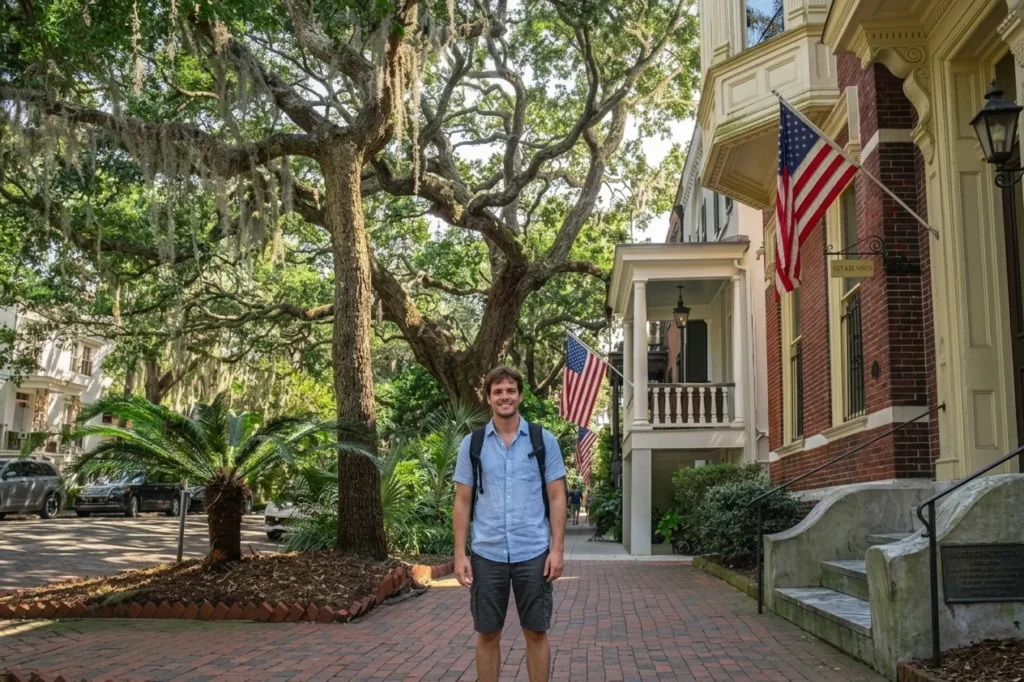
A self guided Jones Street walking tour lets you explore the neighborhood at your own pace. You do not need a reservation or paid guide to see the public streets.The following route focuses on architecture, history, and convenient intersections. Allow extra time for photographs or nearby attractions.
Where to Start Your Jones Street Walking Tour
Begin at the intersection of Bull Street and Jones Street. This central location provides access to both sides of the street.
Walk west first to see the Eliza Thompson House and other historic residences. Continue toward Whitaker Street to explore the complete block. Then return toward Bull Street and head east.This route works well for visitors staying near Forsyth Park or exploring downtown on foot.

Walking West Jones Street
Start by walking west from Bull Street. Look for the historic houses near 1, 5, 10, and 12 West Jones Street.
Continue across Whitaker Street toward the 100 block. Here, you can see William Remshart’s historic row houses and Mrs. Wilkes Dining Room.The row houses provide a good example of Savannah’s mid 19th century residential design. Notice their repeated facades and raised entrances.Visitors with more time can continue toward Barnard and Montgomery Streets. Crystal Beer Parlor offers a possible meal stop at 301 West Jones Street.

Walking East Jones Street
Return to Bull Street and follow East Jones Street toward Drayton Street. Continue across Drayton if you want to explore the next block.Farther east, the 100 block contains houses associated with Eliza Ann Jewett. She developed several properties during Savannah’s 19th century expansion.
At 204 East Jones Street, the Abram Minis House provides another important architectural stop. Its design differs from many smaller row houses nearby.You can turn back at any intersection or continue exploring the eastern blocks.
How Long Does It Take to Walk Jones Street?
A short visit may take 15 to 20 minutes if you stay near Bull Street. Allow 30 to 45 minutes for several blocks, photographs, and short history stops.
A longer walk covering more of East and West Jones Street can take an hour or more. Walking speed, weather, and additional stops will affect your total time.These estimates cover an outdoor visit rather than guided house tours.
Historic Houses and Landmarks on Jones Street
Jones Street contains houses associated with merchants, architects, and other residents from Savannah’s past. Many buildings show how residential design changed during the 1800s.The following properties have documented historical significance. Most are private buildings rather than public museums.
Eliza Thompson House at 5 West Jones Street
The Eliza Thompson House dates to 1847 and stands at 5 West Jones Street. Joseph Thompson built the residence for his wife, Eliza, and their children.The building later became a historic inn. Today, its exterior remains an important stop for visitors exploring Jones Street.
Its history provides an early example of residential development in this part of Savannah. The Eliza Thompson House website provides additional details about the family and property.
Historic Homes Near Bull Street
Several important buildings stand close to the Bull Street intersection.The Israel Keech Tefft House at 1 West Jones Street dates to 1849. Tefft was a Savannah businessman known for collecting historical documents and autographs.Architect John S. Norris designed the paired residences at 2 and 4 West Jones Street. He also designed the Noah B. Knapp House at 10 West Jones Street.
Another pair of houses, numbered 12 and 14, dates to 1891. Architect Alfred S. Eichberg designed this later addition to the streetscape.These buildings show architectural changes across several decades.
William Remshart Row Houses at 102 to 112 West Jones Street
The William Remshart Row Houses date to 1853. They occupy several adjoining addresses on West Jones Street.
Remshart was a Savannah merchant who invested in local real estate. The houses feature a connected design with repeated entrances and raised front steps.The Library of Congress documents these buildings through its Historic American Buildings Survey. The survey includes architectural drawings and photographs.
Historic Houses on East Jones Street
East Jones Street contains several properties connected to Savannah’s residential expansion.Eliza Ann Jewett developed houses between 101 and 119 East Jones Street during the early 1850s. Her real estate work offers an example of women’s involvement in Savannah property development.
Farther east stands the Abram Minis House at 204 East Jones Street. Architect Stephen Decatur Button designed the Italianate residence, which dates to 1859 and 1860.
The Library of Congress identifies the property as the Abram Minis House. It also records details about its architectural design and history.
History of Jones Street Savannah
Jones Street developed as Savannah expanded south from its original colonial center. Many surviving houses appeared during the city’s commercial growth in the mid 1800s.The street’s architecture reflects wealth, property investment, and changing building styles. Its history also connects to Savannah’s broader story of slavery, trade, and preservation.
Who Was Jones Street Named After?
The origin of the street’s name has two historical explanations.Some accounts identify Major John Jones, who served during the American Revolution. He died during the Siege of Savannah in 1779.
Other accounts connect the name to Noble Wimberly Jones, a physician and Georgia delegate to the Continental Congress.The City of Savannah’s Tour Guide Manual recognizes both possibilities. Historical evidence does not settle the attribution in that document.
When Was Jones Street Built?
Jones Street developed gradually rather than during one construction project. Some houses appeared during the late 1840s. Much of the residential construction followed between 1850 and 1870.The Eliza Thompson House dates to 1847. Other properties emerged as Savannah expanded around Monterey Square and nearby wards.The street therefore contains buildings from different periods, even though many share similar architectural features.
Jones Street Architecture in the 1800s
Greek Revival architecture influenced many houses built in Savannah during the 19th century. Common features included symmetrical fronts, classical details, raised basements, and tall windows.
Later homes introduced additional decorative styles. Iron railings, porches, and window treatments also changed as owners improved their properties.These buildings reflect Savannah’s former wealth, much of which depended on trade and enslaved labor. Understanding that history adds context beyond the appearance of the houses.
Preservation and Restoration of Jones Street
Historic preservation helped protect Jones Street and surrounding neighborhoods from major changes.
The Historic Savannah Foundation began its preservation work in 1955. Its programs supported the protection and restoration of older properties across the city.The organization also worked on buildings along East Jones Street. Its revolving fund helped transfer endangered properties to owners willing to restore them.Savannah’s Historic District received National Historic Landmark designation in 1966. Today, preservation rules help maintain the district’s architectural character.
Best Time to Visit Jones Street Savannah
You can visit Jones Street throughout the year. However, weather, lighting, and visitor activity can affect your experience.
Spring and fall generally offer more comfortable conditions for longer walks. Early morning can also be useful for photography.
Best Time of Day to Walk Jones Street
Morning is a practical choice if you want cooler temperatures during warmer months. Softer light may also help when photographing historic buildings.Late afternoon offers another opportunity to photograph houses and tree covered streets. Lighting changes depending on the block and direction.Try to avoid the hottest part of a summer day if you plan to walk several blocks.
Best Seasons to Visit Jones Street
Spring brings warmer weather, flowers, and green trees to Savannah. It is a good season for walking, although popular areas may attract more visitors.Summer can feel hot and humid. Plan shorter walks, carry water, and take breaks when necessary.Fall often provides comfortable conditions for exploring the Historic District. Winter offers cooler weather and a different appearance as seasonal plants change.
When Is Jones Street Less Crowded?
Weekday mornings may offer a quieter experience than busy weekend afternoons. However, Jones Street remains an active residential road.Mrs. Wilkes Dining Room can attract a lunch crowd near its entrance. Special events may also affect traffic and parking in surrounding areas.Visit early if you want more time for photographs without stopping near busy sidewalks.
Best Photo Spots on Jones Street Savannah
Jones Street offers several locations for photographing Savannah’s residential architecture. The most useful views often include both houses and the brick roadway.You do not need professional equipment to take good pictures. Choose a safe position and pay attention to light and surrounding traffic.
Jones Street and Bull Street Intersection
The Bull Street intersection provides views along East and West Jones Street. From the public sidewalk, you can photograph historic buildings and tree lined blocks.Try framing several homes together rather than focusing on one doorway. This helps show how the architecture connects across the street.
Use marked crossings when changing sides. Never stand in the roadway to arrange a photograph.
Historic Houses Along West Jones Street
West Jones Street contains several houses with notable entrances, railings, and brick details. Look for different door colors, window designs, and raised steps.
The area around the Eliza Thompson House provides opportunities to photograph older residential architecture. Continue toward Whitaker Street for additional streetscape views.Keep gates, stairs, and private gardens out of your walking path.
Photography Tips for Jones Street
Morning and late afternoon light can create softer shadows on historic buildings. Cloudy conditions may also help reduce harsh contrast.
Use a wider view to include houses, trees, and pavement. For close details, focus on ironwork, shutters, and architectural patterns.Respect residents while taking photographs. Do not enter private property or block entrances for portraits.
How to Get to Historic Jones Street
Jones Street is easy to reach from many downtown Savannah attractions. Walking is often the simplest option if you already plan to explore the Historic District.Visitors arriving by car should check parking conditions before starting their walk.
Walking to Jones Street From Forsyth Park
Begin near the northern end of Forsyth Park. Follow Bull Street north toward Jones Street.You will pass through a residential part of Savannah before reaching the intersection. The walk generally takes about 5 to 10 minutes from the park’s northern edge.You can visit Jones Street first and continue south to Forsyth Park afterward. Both stops work well together.
Getting to Jones Street From Downtown Savannah
From River Street, make your way toward Bull Street in the Historic District. Continue south until you reach Jones Street.You will pass several downtown streets and historic squares along the way. Allow approximately 20 to 30 minutes from the waterfront, depending on your route.If you begin near Madison Square, Jones Street is much closer. Walk south along Bull Street until you reach the intersection.
Using Savannah’s Downtown Shuttle
Chatham Area Transit operates the free DOT shuttle around downtown Savannah. Its routes connect parking areas, visitor facilities, and several attractions.
The shuttle serves designated stops rather than every historic street. Visitors may need to walk from a nearby stop to Jones Street.
Check the current route map before traveling. The official DOT shuttle guide lists routes, service hours, and accessibility information.
Parking Near Historic Jones Street Savannah
You can find street parking around Jones Street, although available spaces vary. The area lies south of Liberty Street, where Savannah uses different meter hours from northern downtown.For a short visit, street parking may be more convenient than a downtown garage.
Street Parking Near Jones Street
Look for legal street spaces along Jones Street and nearby roads. Always read signs before leaving your vehicle.Savannah’s Zone 2 parking rate is $1.50 per hour, where that meter zone applies. Meter enforcement south of Liberty Street generally follows this schedule:
Day | Meter enforcement |
|---|---|
Monday to Friday | 8 a.m. to 5 p.m. |
Saturday | No regular meter charge |
Sunday | No regular meter charge |
City holidays | No regular meter charge |
The city accepts payments through the ParkSavannah app. Check posted signs for local restrictions, reserved spaces, and street sweeping rules.
Free Parking Near Jones Street
Metered spaces south of Liberty Street generally become free after 5 p.m. on weekdays. Regular meter charges also do not apply on Saturdays, Sundays, and recognized city holidays.
However, free meter hours do not remove other parking restrictions. Street sweeping signs and temporary regulations still apply.
See our Free Parking in Savannah guide for other locations and parking rules.
Parking Garages Near Jones Street
The Liberty Street Parking Garage at 301 West Liberty Street provides another option for visitors approaching western downtown.
It may suit travelers combining Jones Street with several downtown attractions. However, it requires a walk to reach the central blocks.
Compare walking distance, current rates, and access conditions before choosing a garage. Our Parking in Savannah Historic District guide explains more options.
Things to Do Near Jones Street Savannah
Jones Street sits near several historic squares, museums, and public spaces. You can combine these attractions into a walking itinerary without traveling across the city.
Explore Nearby Historic Squares
Several squares near Jones Street offer shaded paths, monuments, and historic surroundings.
Monterey Square sits south of Jones Street along Bull Street. It is known for its monument and surrounding historic buildings.
Madison Square is north of Jones Street, also along Bull Street. The square provides another stop for visitors interested in Savannah’s history.
Lafayette Square lies near Abercorn Street and several historic landmarks. Pulaski Square offers a smaller green space west of Bull Street.
Each square has a different setting, so choose stops based on your walking route.
Visit Historic House Museums Nearby
The Mercer Williams House Museum stands at 429 Bull Street near Monterey Square. Its history and connection to Midnight in the Garden of Good and Evil attract visitors interested in Savannah’s past.
The Andrew Low House Museum stands at 329 Abercorn Street near Lafayette Square. Visitors can learn about the property and its historical residents through museum tours.
Both museums have separate admission rules and visiting hours. Check their official websites before planning an indoor visit.
Walk to Forsyth Park
Forsyth Park is a short walk south of Jones Street. The park contains paths, green lawns, and Savannah’s well known fountain.
Follow Bull Street south from Jones Street toward the park’s northern entrance. This route takes you through additional Historic District blocks.
Visiting both places gives you a combination of residential architecture and public green space.
Extend Your Walk Through the Historic District
If you have more time, continue north along Bull Street toward Madison Square. You can also explore streets surrounding Lafayette Square and Monterey Square.The Cathedral Basilica of St. John the Baptist is another nearby landmark.
For a longer route, use our Savannah Historic Squares guide. It covers the city’s public squares and their historical backgrounds.
Restaurants, Cafes, and Places to Stay Near Jones Street
Jones Street is primarily residential, but it also contains places to eat and stay. Several businesses occupy historic buildings that contribute to the area’s character.
Famous Restaurants on Jones Street
Mrs. Wilkes Dining Room serves Southern home cooking at 107 West Jones Street. The restaurant is known for shared tables, fried chicken, and traditional side dishes.
Its official schedule lists lunch Monday through Friday, from 11 a.m. to 2 p.m. The restaurant accepts cash or checks rather than credit cards. Check closures before visiting.
Crystal Beer Parlor stands at 301 West Jones Street. The restaurant has operated since 1933 and serves American food in a historic neighborhood setting.Its published dining schedule lists Tuesday through Sunday, with Monday closures.
Coffee Shops and Restaurants Nearby
Visitors can find additional dining options along Bull Street and nearby downtown streets. The area around Madison Square offers places to eat within walking distance.
Choose a restaurant based on your route and available time. If you plan to visit Mrs. Wilkes, account for possible lunch lines.
Our Best Restaurants in Savannah guide covers additional dining choices.
Staying on Historic Jones Street
The Eliza Thompson House offers lodging inside a historic building at 5 West Jones Street. Its location allows guests to explore Jones Street and nearby attractions on foot.
Other accommodations may include historic inns, vacation rentals, and small hotels in the surrounding district.Before booking, check parking arrangements, stairs, accessibility, and cancellation conditions. Historic properties can have layouts that differ from modern hotels.
Accessibility and Visitor Tips for Jones Street
Jones Street offers a public walking route, but its historic surfaces require extra attention. Brick sidewalks, curb changes, and older entrances may present difficulties for some visitors.Planning a shorter route can make the visit easier for families, seniors, and travelers with mobility needs.
Is Jones Street Wheelchair and Stroller Friendly?
Some sidewalks in Savannah’s Historic District have uneven brick surfaces. Older curbs and raised entrances can also affect accessibility.Jones Street may be manageable for some wheelchair users and families with strollers. However, conditions can vary from block to block.
Check crossings and sidewalk surfaces before committing to a longer route. The free DOT shuttle is also ADA compliant, although its stops may require additional walking.
Visiting Jones Street With Kids or Seniors
Choose a short walking route if your group includes children or slower walkers. The central blocks near Bull Street provide several historic features within a small area.
Comfortable shoes can help on brick pavement. Carry drinking water during warmer months and allow extra time at crossings.Forsyth Park offers space to rest after exploring nearby streets.
Respecting Historic Homes and Residents
Jones Street is a residential neighborhood, not an outdoor museum. Many buildings remain private homes.
Stay on public sidewalks and avoid entering private steps, gardens, gates, or courtyards. Do not block driveways or residential entrances while taking photographs.
Keep noise reasonable, especially during early morning and evening visits. Respecting residents helps protect the neighborhood’s everyday character.
Frequently Asked Questions About Jones Street Savannah
Final Thoughts: Is Jones Street Worth Visiting?
Historic Jones Street is worth adding to your Savannah itinerary if you enjoy architecture, photography, and walking. Its brick pavement, older homes, and tree lined blocks offer a close look at the city’s residential history.
Start near Bull Street if you have limited time. Explore both East and West Jones Street, then continue toward Forsyth Park or nearby historic squares.
Before visiting, check parking signs and plan your walking route. Remember that most houses are private properties, so enjoy their architecture from public sidewalks.

John Robert
Travel Writer & Founder @ Thing Savannah
John Robert is a travel writer and explorer specializing in authentic regional guides, detailed itineraries, and practical travel logistics.