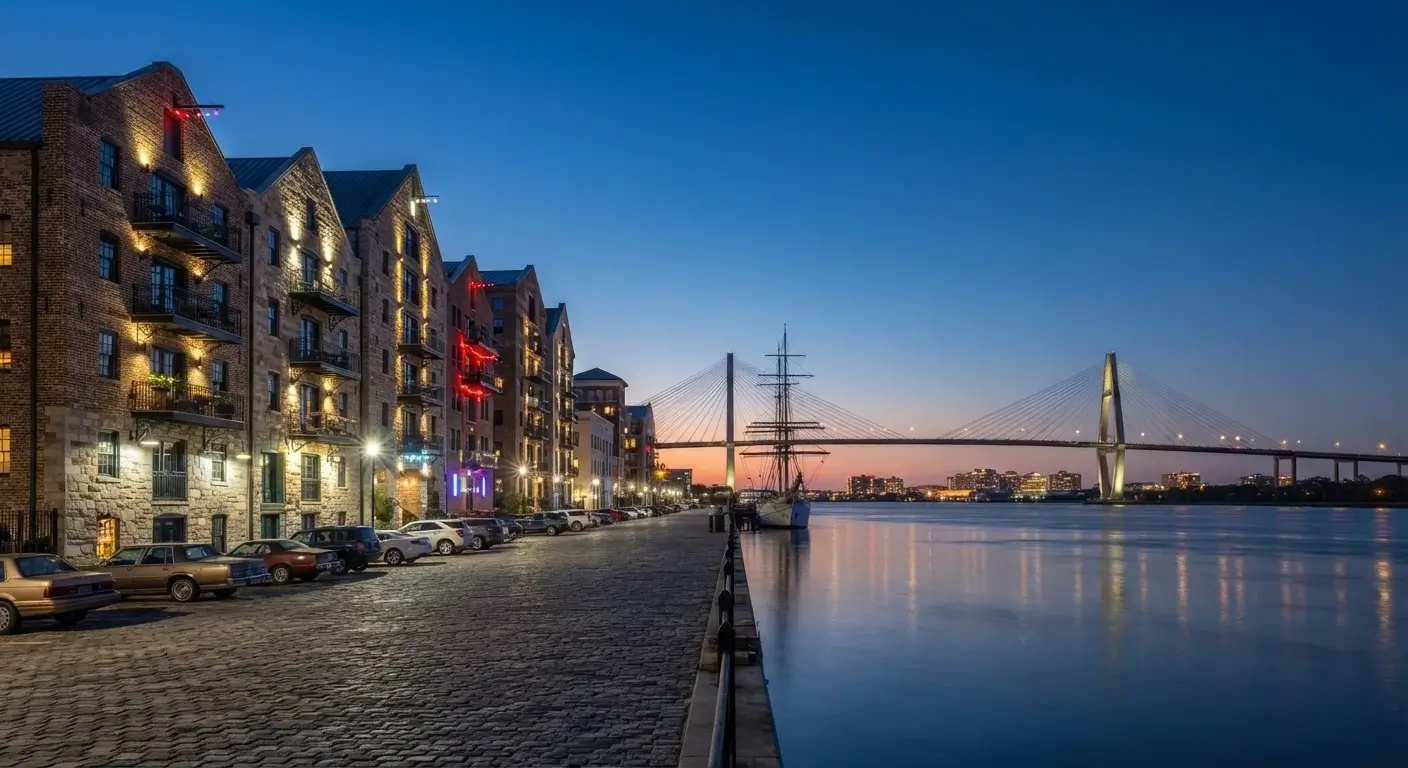
Best Time to Visit Savannah, GA: Month-by-Month Guide
The best time to visit Savannah, GA depends on what you want from your trip. Spring and fall offer mild weather for walking and sightseeing. Winter brings cooler days, fewer crowds, and a quieter pace. Summer is hot and humid, but it suits travelers planning time at Tybee Island.
Savannah has something to offer in every season. Your ideal travel month depends on weather, crowds, prices, and local events. Spring brings colorful blooms and popular festivals. Fall offers comfortable temperatures and plenty of outdoor activities. Winter can be a good choice for a quieter city break.
This guide breaks down Savannah month by month. You will find weather details, seasonal activities, crowd levels, events, and practical travel tips. Use it to choose the month that fits your trip best.
When Is the Best Time to Visit Savannah, GA?
The best time to visit Savannah, GA depends on your travel priorities. Spring and fall offer comfortable weather for walking and outdoor sightseeing. Fall can also bring lighter crowds and seasonal events. Winter offers cooler days and a quieter pace. Summer brings more heat and humidity, but it works well for beach trips to Tybee Island.
Best Overall Time to Visit Savannah
For many travelers, fall offers a strong balance of weather, activities, and crowds. September through November brings comfortable daytime temperatures and good conditions for exploring Savannah on foot. October and November are especially pleasant for outdoor sightseeing.
Spring is another popular choice. March and April bring mild temperatures and Savannah’s famous azalea blooms. Spring also brings major events, which can increase visitor numbers and hotel demand.
Fall has its own busy dates, especially around major festivals and events. If you want a quieter trip, check the local event calendar before booking your stay.
Best Time for Mild Weather
Spring and fall are generally the most comfortable seasons for walking around Savannah. Spring brings mild temperatures before summer heat becomes intense. Fall brings cooler air after the hottest part of the year.
These conditions make it easier to explore the Historic District, city squares, Forsyth Park, and River Street. You can also spend more time outdoors without planning your day around the heat.
Summer is a different story. Temperatures often reach the 80s and 90s, with high humidity and afternoon thunderstorms. Winter stays mild, with typical daytime highs in the 50s and 60s.
Rain can occur in any season, so check the forecast before your trip. A light rain layer can also help during wetter periods.
Best Time for Fewer Crowds
Winter can be a good choice if smaller crowds matter most. January and February are considered Savannah’s low season, while August through December generally falls into the shoulder season.
You may find quieter streets and easier access to popular attractions during lower demand periods. The trade-off is cooler weather and fewer seasonal activities in some periods.
Major events can change crowd levels at any time. Spring attracts many visitors, while fall also draws travelers for festivals and events. Check event dates before choosing your travel week.
Cheapest Time to Visit Savannah
January and February often offer better accommodation deals because visitor demand is lower. Shoulder-season travel can also provide savings compared with busier periods.
However, there is no single cheapest time for every traveler. Hotel rates can change based on weekends, holidays, festivals, and local events.
For a better chance of finding lower rates, compare several dates before booking. Weekdays may also cost less than popular weekend dates. Always check current hotel prices rather than relying only on seasonal averages.
Savannah’s food scene is full of Southern favorites, from shrimp and grits to fried green tomatoes. Explore the city’s flavors and culinary history through Savannah food tours.
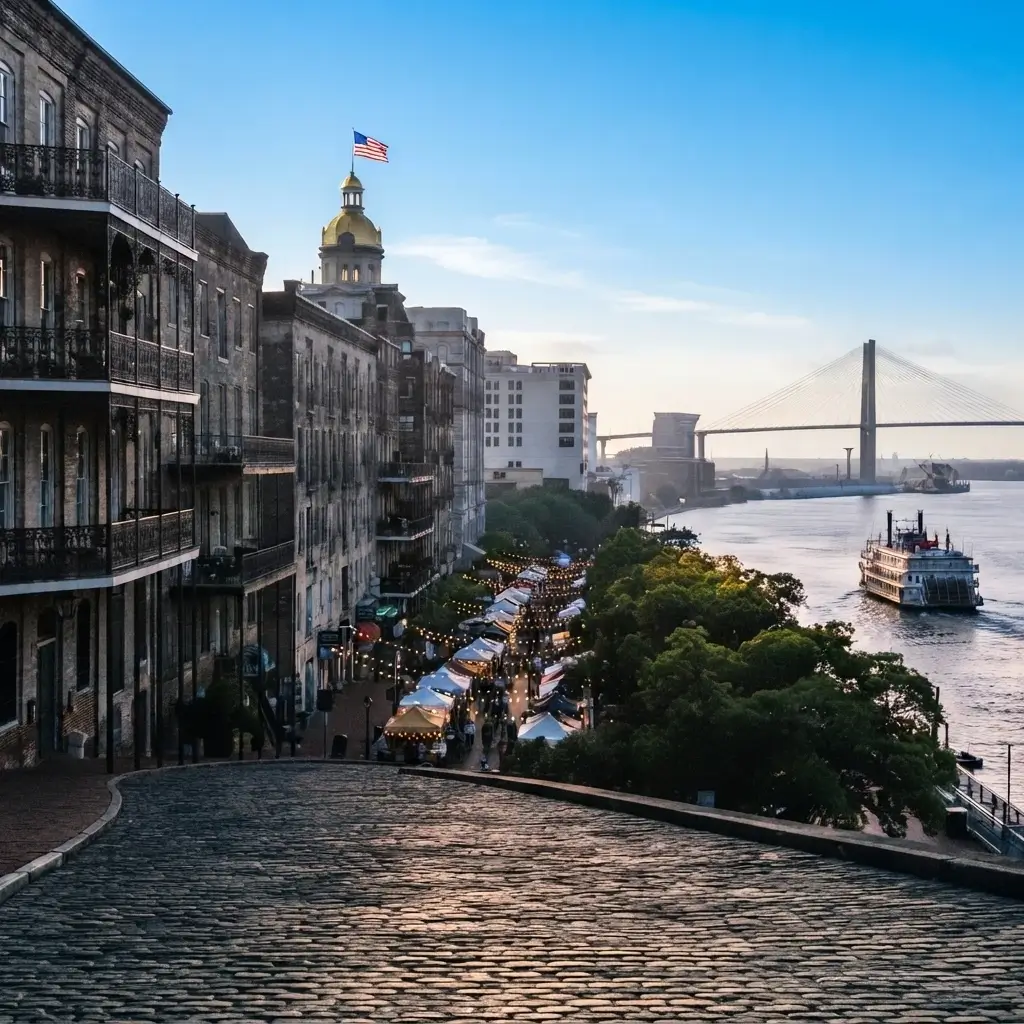
Best Time to Visit Savannah Based on What You Want to Do
The right time to visit Savannah also depends on how you plan to spend your days. Spring and fall suit travelers who want long walks and outdoor sightseeing. Summer works well for beach trips, while winter offers a quieter city experience.
Best Time for Walking and Historic Sightseeing
Spring and fall are good choices for exploring Savannah on foot. Comfortable temperatures make it easier to spend several hours outdoors. You can walk through the Historic District, visit historic squares, and explore restored historic homes.
Forsyth Park also works well for a relaxed morning or afternoon walk. Its one mile perimeter gives visitors an easy route through one of Savannah’s best known green spaces.
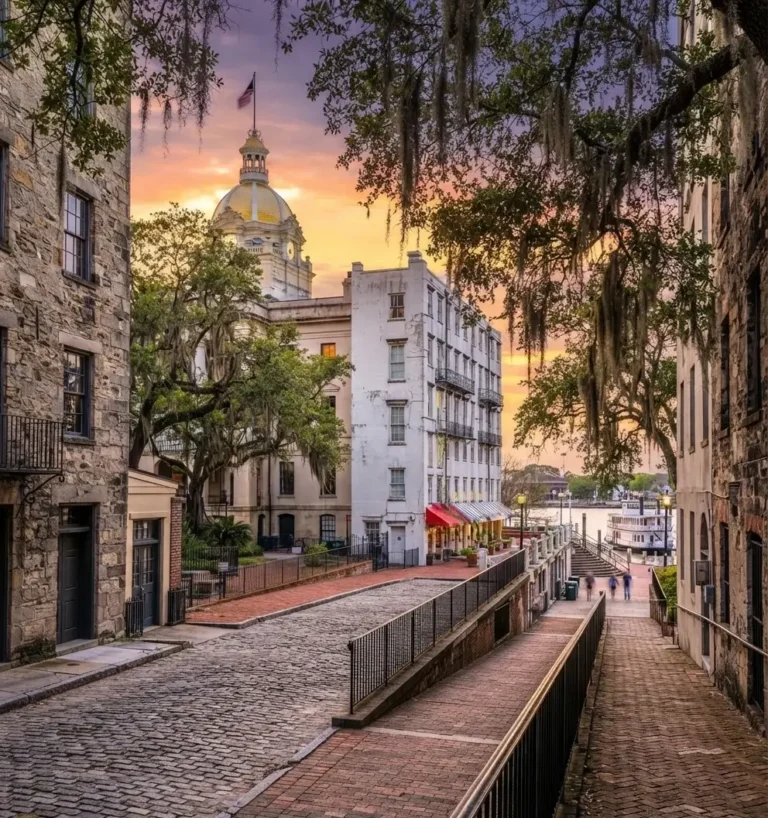
River Street is another good stop during cooler parts of the day. The riverfront stretches for several blocks and offers views of the Savannah River.
If you visit during summer, plan longer walks for early morning or evening. High heat and humidity can make midday sightseeing less comfortable.
Best Time to See Flowers
Spring is the best time to visit Savannah, GA for flowers. Azaleas bloom across the city during this season. You can see colorful displays around neighborhoods, historic squares, parks, and historic sites.
Forsyth Park is a natural starting point for spring sightseeing. You can also walk through several historic squares and look for seasonal blooms along the way.
Bonaventure Cemetery is another option for spring flowers. Its grounds combine historic monuments, mature trees, and seasonal plant life.
If flowers are your main reason for visiting, check local bloom conditions before booking your dates. Bloom timing can vary from year to year.
Best Time for Festivals and Events
Spring is a busy season for Savannah events. St. Patrick’s Day is one of the city’s biggest annual celebrations. The parade takes place through the Historic Landmark District and attracts large crowds.
Fall also brings festivals, cultural events, and outdoor activities. December adds holiday events and seasonal celebrations across the city. Savannah maintains an events calendar with current dates and details.
Major events can affect hotel demand, traffic, parking, and crowd levels. Check the event calendar before choosing your travel dates. This matters most if you prefer a quieter trip.
Best Time for Tybee Island and Beach Activities
Summer is a popular time to combine Savannah with Tybee Island. The island sits a short drive from Savannah and offers several beaches, water activities, and coastal attractions.
Warm weather makes summer suitable for swimming, paddleboarding, surfing, and other water activities. Tybee also offers nature tours, kayaking, and sunset cruises.
The trade-off is Savannah’s summer heat and humidity. Afternoon thunderstorms can also affect outdoor plans. If you want beach time without the hottest conditions, consider the shoulder seasons.
Best Time for Ghost Tours and Evening Activities
Ghost tours operate throughout the year, so you do not need to visit during Halloween. Savannah’s Historic Landmark District has a long history and many sites connected with local ghost stories.
Fall can be especially appealing if you enjoy Halloween events and cooler evenings. October also makes it easier to combine an evening tour with dinner or a walk along River Street.
Summer visitors can also enjoy ghost tours after sunset. Evening tours can provide a break from the daytime heat. Check tour schedules before your trip because operating times can change by season.
Visitors can enjoy waterfront views, local boutiques, and unique souvenirs while exploring shops on River Street in Savannah, GA.
Savannah Weather by Season
Savannah has a humid subtropical climate with four distinct seasons. Each season brings different conditions for sightseeing, outdoor activities, and beach trips.
Season | Typical conditions | Crowds | Best for | Main drawback |
|---|---|---|---|---|
Spring | Mild and warming | Higher | Walking, flowers, sightseeing | Busy event periods |
Summer | Hot and humid | Variable | Beaches, pools, long days | Heat and thunderstorms |
Fall | Warm to mild | Moderate | Walking, outdoor activities | Event-driven demand |
Winter | Mild and cool | Lower | Quieter sightseeing | Cooler evenings |
Spring in Savannah
Spring runs from March through May and is one of the most popular times to visit Savannah. Temperatures become warmer without the intense summer heat. Azaleas also bring color to parks, squares, and historic neighborhoods.
March and April work well for walking through the Historic District. You can explore the historic squares, visit Forsyth Park, and tour historic homes. Outdoor dining also becomes more appealing as the weather warms.
Spring does bring higher visitor demand. March can become especially busy around St. Patrick’s Day. The parade attracts roughly 300,000 people to the Historic Landmark District.
If you plan to visit in spring, book popular hotels early. Pack comfortable walking shoes, light layers, and a light rain jacket. Spring showers can occur, so check the forecast before heading out.
Summer in Savannah
Summer brings Savannah’s hottest and most humid weather. June, July, and August often see temperatures in the 80s and 90s. Afternoon thunderstorms are also common.
You can still find plenty of things to do in Savannah during summer. Start outdoor sightseeing early and save indoor attractions for the hottest part of the day. Museums, historic homes, shops, and restaurants provide useful breaks from the heat.
Summer also works well for a trip that includes Tybee Island. You can spend part of the day at the beach and return to Savannah for dinner or evening activities.
July brings another reason to visit. Travelers looking for things to do in Savannah around the Fourth of July can find seasonal events and celebrations. Check the official event calendar for current schedules before your trip.
Pack lightweight clothing, sunscreen, sunglasses, comfortable shoes, and a small umbrella. Afternoon storms can develop quickly during the warmer months.
Savannah on the Fourth of July
Fourth of July travel can bring extra visitors and higher demand around holiday events. Expect warm weather and plan outdoor activities around the heat.
Check current event schedules before making plans. Event dates, locations, parking rules, and road closures can change from year to year.
Fall in Savannah
Fall brings relief from the summer heat. September can still feel quite warm, while October and November bring more comfortable conditions for walking and outdoor sightseeing. Official Savannah tourism information describes fall as a break from summer heat, with mild daytime temperatures later in the season.
September is a good transition month for travelers who want outdoor activities without the peak summer heat. By October, cooler evenings make walking tours and ghost tours more comfortable.
October also brings Halloween activities and seasonal events. November offers cooler weather and a quieter feel between major fall events and the holiday season.
Things to do in Savannah in October include exploring the Historic District, visiting Forsyth Park, dining outdoors, and taking an evening ghost tour. Fall also suits photography because you can spend longer periods outside without dealing with summer heat.
Pack comfortable walking shoes and light layers. Bring a light jacket for cooler evenings, especially later in the season.
Winter in Savannah
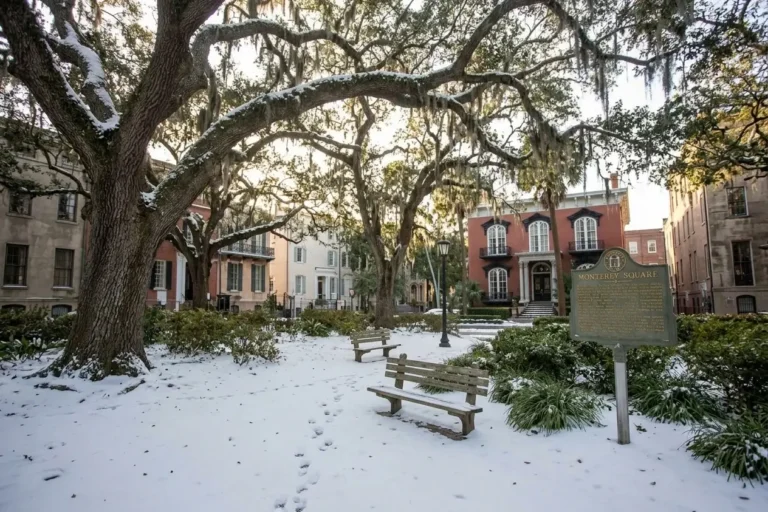
Winter is mild compared with many other U.S. destinations. December, January, and February usually bring cool days and colder evenings. Typical winter highs stay in the 50s and 60s, while freezing temperatures are uncommon.
Winter can suit travelers who prefer a quieter Savannah experience. You can explore the Historic District, visit museums, tour historic homes, and walk along River Street without summer heat.
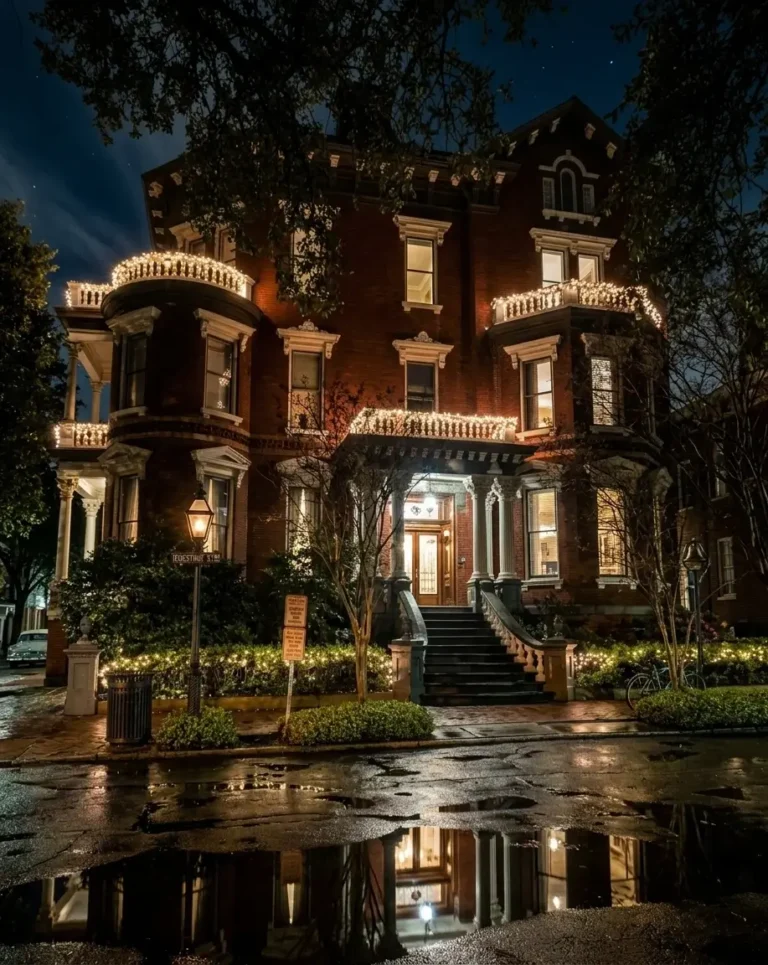
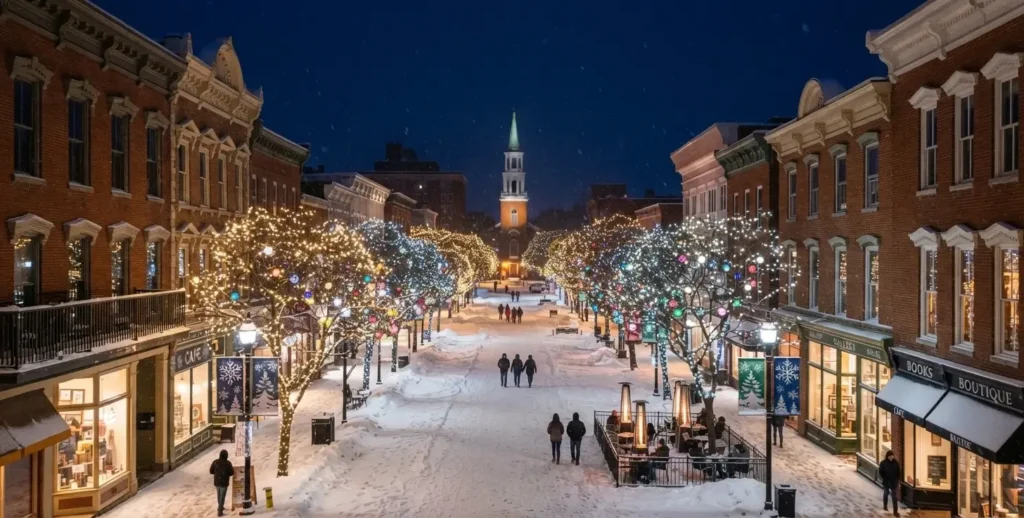
December adds holiday events and seasonal decorations. January offers a quieter start to the year, while February provides mild conditions before spring crowds increase.
Winter also creates opportunities for lower-demand travel periods. Hotel prices still vary by weekend, holiday, event, and booking date, so compare several dates before booking.
For winter activities in Savannah, pack layers, comfortable shoes, and a light coat. You may also want a rain layer for changing weather. Savannah tourism guidance recommends light layers because winter temperatures remain relatively mild.
Winter at a Glance
December: Holiday events, decorations, and cool outdoor weather
January: Quieter sightseeing and mild winter conditions
February: Cooler days with spring approaching
If you want fewer crowds and do not mind cooler evenings, winter can be a practical time to explore Savannah.
A bicycle ride is a great way to explore Savannah’s historic streets, scenic squares, and charming architecture. Consider a Savannah bicycle tour to experience the city at your own pace.
Things to Do in Savannah Month by Month
Savannah offers different experiences throughout the year. Your ideal month depends on weather, events, crowds, and the activities you enjoy. Spring favors flowers and walking, while summer suits beach trips and evening outings. Fall brings comfortable sightseeing weather, and winter offers a quieter city experience.
Things to Do in Savannah in January
January is one of the cooler months in Savannah. Average daytime temperatures are around the low 60s, with cooler nights.
This weather works well for museums, historic homes, and shorter walks around the Historic District. You can also explore Forsyth Park and Savannah’s historic squares when the weather feels comfortable.
January can suit travelers who prefer a quieter visit. The city also hosts events during the month, including Martin Luther King Jr. observances and other cultural programs. Check the current event calendar before your trip.
Pack layers, comfortable walking shoes, and a light jacket. Temperatures can change during the day, so layers give you more flexibility.
Things to Do in Savannah in February
February brings a gradual move toward spring. Average daytime temperatures are typically in the mid 60s, although colder days can still occur.
It is a good month for exploring Savannah’s historic areas on foot. Visit the Historic District, walk through the squares, and spend time at museums and historic homes.
February also brings cultural events, including the Savannah Black Heritage Festival and Savannah Book Festival. Dates can change each year, so check current schedules before planning around an event.
Pack layers and a light jacket for cooler mornings and evenings. February can work well if you want mild sightseeing weather without the full spring season.
Things to Do in Savannah in March
March marks the start of spring in Savannah. Temperatures become warmer, and outdoor sightseeing becomes more appealing.
This is a good month for walking through the Historic District and visiting Forsyth Park. Spring flowers also begin adding color to Savannah’s parks and squares.
March is also a major events month. St. Patrick’s Day brings large crowds to downtown Savannah, while the Savannah Music Festival and other spring events add more activity.
If you want a quieter trip, avoid major event dates. If you enjoy festivals, March offers plenty to add to your itinerary.
Pack comfortable walking shoes, light layers, and a rain jacket. Spring weather can change quickly.
Things to Do in Savannah in April
April is one of the more comfortable months for outdoor sightseeing. Average daytime temperatures are generally in the upper 70s, based on long-term climate normals.
Spend your days walking through the Historic District, visiting historic squares, and exploring Forsyth Park. Spring flowers also make April a good month for photography and relaxed park walks.
Outdoor dining becomes more appealing as temperatures rise. You can also add a riverfront walk or evening tour without dealing with summer heat.
April brings several local events and festivals. The Savannah NOGS Tour of Hidden Gardens and SCAD’s Sidewalk Arts Festival are examples listed by Visit Savannah.
Pack light layers, comfortable shoes, sunscreen, and a light rain layer.
Things to Do in Savannah in May
May brings warmer weather and longer days. Average daytime temperatures reach the low 80s, with warmer afternoons becoming more common.
This is a good time for outdoor activities before the hottest part of summer arrives. Walk through the Historic District early in the day, then visit museums or historic homes during warmer hours.
You can also plan time at Tybee Island. Beach activities become more appealing as coastal temperatures rise.
May also brings food, cultural, and community events. Visit Savannah’s current event calendar for dates that match your trip.
Pack breathable clothing, comfortable shoes, sunscreen, and a light rain layer.
Things to Do in Savannah in June
June marks the start of Savannah’s hottest period. Normal daytime highs are around 90°F, with warm nights and high humidity.
Start outdoor sightseeing early when temperatures are lower. Explore the Historic District and Forsyth Park in the morning, then move indoors during the hottest part of the afternoon.
Tybee Island becomes a strong option for beach activities. You can swim, enjoy water activities, or return to Savannah for dinner and evening plans.
June can also bring thunderstorms and sudden rain. Pack lightweight clothing, sun protection, and a compact rain layer.
Things to Do in Savannah in July
July is typically Savannah’s hottest month. Long-term climate normals show average highs around 90°F, with warm nights.
Plan outdoor activities for early morning or evening. Use the hottest part of the day for museums, historic homes, shopping, or a long lunch.
Tybee Island is another popular option during July. Beach time can help you make the most of the summer weather.
If you are looking for things to do in Savannah for the Fourth of July, check the current event schedule before your trip. Holiday events can affect traffic, parking, and accommodation demand.
Bring lightweight clothing, sunscreen, sunglasses, and plenty of water. A rain layer can also help during summer storms.
Things to Do in Savannah in August
August remains hot and humid in Savannah. Afternoon rain and thunderstorms can also affect outdoor plans. Long-term climate data places average daytime highs near 90°F.
Plan your day around the heat. Visit outdoor attractions early, then choose museums, historic homes, and other indoor activities during the afternoon.
You can also spend time at Tybee Island or plan evening activities after temperatures drop.
Check the forecast before booking outdoor tours. A flexible itinerary makes it easier to adjust when storms develop.
Pack breathable clothing, comfortable shoes, sunscreen, and a light rain jacket.
Things to Do in Savannah in September
September brings a gradual shift away from peak summer heat. Early September can still feel hot, while later weeks may become more comfortable.
Outdoor sightseeing works best during cooler parts of the day. Walk through the Historic District, visit Forsyth Park, and explore Savannah’s squares before the afternoon heat builds.
September also marks the start of Savannah’s fall event season. Current listings include cultural programs, markets, outdoor events, and activities across the city.
If you want a mix of summer and fall experiences, September can provide that balance. Pack light clothing along with a layer for cooler evenings.
Things to Do in Savannah in October
October brings some of the most comfortable conditions for exploring Savannah outdoors. Temperatures are cooler than summer, making long walks easier.
Spend time in the Historic District, visit Forsyth Park, and explore the city’s historic squares. Outdoor dining and evening walks also become more comfortable.
October is a strong month for ghost tours and Halloween activities. Savannah’s event calendar also includes cultural programs, markets, concerts, and seasonal events.
October can attract visitors for popular events, so check dates before booking your hotel. Pack comfortable shoes, light layers, and a light jacket for cooler evenings.
Things to Do in Savannah in November
November brings cooler fall weather and comfortable conditions for walking. Average daytime temperatures are typically in the upper 60s based on long-term climate normals.
This is a good month for exploring historic neighborhoods, visiting museums, and enjoying outdoor dining. You can also take a walking tour without dealing with the summer heat.
November marks the transition toward Savannah’s holiday season. Some seasonal events begin later in the month, including Christmas on the River in the current 2026 calendar.
Thanksgiving can increase travel demand around the holiday. Check hotel rates and event schedules before choosing your dates.
Pack comfortable shoes, light layers, and a jacket for cooler evenings.
Things to Do in Savannah in December
December brings cooler weather and a busy holiday atmosphere. Average daytime temperatures are generally in the low 60s, while evenings can feel much colder.
The Historic District becomes a major focus during the holiday season. Walk through decorated streets, visit Forsyth Park, explore River Street, and look for seasonal events.
Holiday programming also extends along the waterfront. The current Visit Savannah calendar lists Christmas on the River from November into early January.
December can attract visitors around holiday events, so hotel demand may vary by date. Weekends and special event periods can cost more than quieter weekdays.
Pack comfortable walking shoes, layers, and a light coat. A rain layer can also be useful.
Savannah Month-by-Month Weather at a Glance
The table below uses long-term Savannah climate normals to show the general pattern. Actual conditions can vary from year to year.
Month | Typical weather | Rain and storm considerations | Crowds | Best activities |
|---|---|---|---|---|
January | Cool, mild days | Rain is possible | Generally quieter | Historic sites, museums, walking |
February | Mild with cool evenings | Occasional rain | Generally quieter | Historic District, cultural events |
March | Mild and warming | Spring showers possible | Higher around events | Flowers, walking, festivals |
April | Warm and comfortable | Spring rain possible | Moderate to high | Walking, gardens, outdoor dining |
May | Warm to hot | Rain increases | Moderate | Outdoor activities, Tybee Island |
June | Hot and humid | Frequent summer storms | Variable | Beaches, early walks, evening tours |
July | Very hot and humid | Storms possible | Variable | Tybee Island, indoor attractions |
August | Hot and humid | Storms and heavy rain possible | Variable | Beaches, museums, evening activities |
September | Warm, slowly cooling | Storm risk remains | Moderate | Outdoor activities, evening tours |
October | Warm to mild | Generally easier for outdoor plans | Moderate to high | Walking, ghost tours, events |
November | Mild and cooler | Rain possible | Moderate | Historic sites, food, walking |
December | Cool and mild | Rain possible | Higher around holidays | Holiday events, River Street, sightseeing |
One SEO point I would keep: don’t repeat every monthly keyword variant inside these paragraphs. The H3s already establish the monthly topic, while the surrounding content builds relevance through weather, activities, events, locations, and travel-planning terms. That gives the page broader topical coverage without making the writing sound mechanically optimized.
Savannah offers plenty of dining options, from classic Southern comfort food to fresh seafood and casual local favorites. Explore the best food places in Savannah, GA to find something that suits your taste.
When Is Savannah Most Crowded?
Savannah tends to be busiest during spring, especially from March through May. Fall can also bring higher visitor demand, particularly in September and October. Comfortable weather, festivals, and outdoor activities make these seasons popular with travelers.
Spring demand can rise sharply around major events. St. Patrick’s Day is the clearest example. The parade draws roughly 300,000 people to Savannah’s Historic Landmark District. Hotels and vacation rentals can fill months ahead of the celebration.
Weekends can also bring more visitors than weekdays. This is especially noticeable during spring and fall. Popular events can increase demand even further.
Holiday periods can create another spike in visitors. Thanksgiving, Christmas, New Year’s, and other major events can affect hotel availability and prices. The exact impact varies by date and event.
Crowds are also concentrated in popular areas. The Historic District, River Street, Forsyth Park, and major event venues can feel much busier during peak periods. Arriving early can make popular attractions easier to enjoy.
When to Expect Smaller Crowds
January and February are generally considered Savannah’s lower-demand months. Travel industry guidance also places August through December in the shoulder season.
Winter can offer a quieter experience around the Historic District and other major attractions. The trade-off is cooler weather and fewer seasonal activities than spring or fall.
Summer can also have lighter visitor demand than spring. However, July and August bring high temperatures and humidity. That makes summer less suitable for travelers who want to spend most of their time walking outdoors.
For a quieter trip, consider traveling on weekdays outside major events. Check Savannah’s event calendar before booking your dates. A small change in travel dates can make a noticeable difference during popular event periods.
From Forsyth Park and historic squares to riverfront landmarks and museums, there are plenty of Savannah attractions to add to your itinerary.
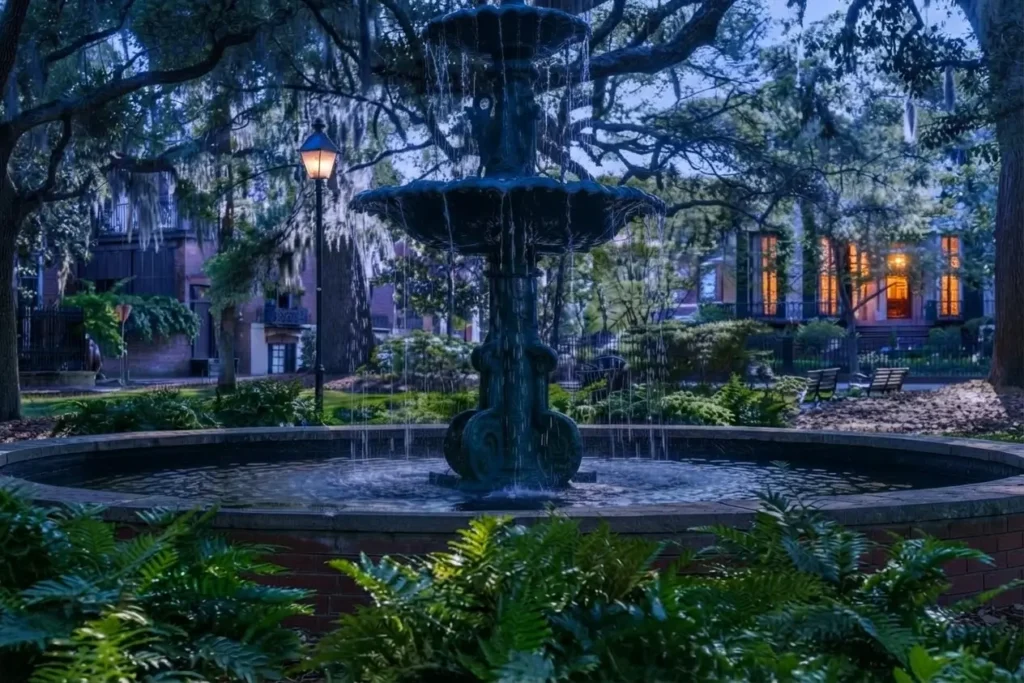
When Is the Cheapest Time to Visit Savannah?
January and February are generally among the better months to look for lower travel costs in Savannah. These months fall within the city’s low season, when visitor demand tends to be lower. Lower demand can also create better accommodation rates than busier travel periods.
August through December is generally considered Savannah’s shoulder season. This period can offer a useful balance between weather, activities, and visitor demand. However, prices can rise around major events and holidays.
Weekdays can also cost less than popular weekends. Hotel rates depend on demand, location, events, and how far ahead you book. A hotel near the Historic District may also cost more than one farther from the main attractions.
Major events can change prices quickly. Spring festivals and other popular events can increase hotel demand. Holiday periods can have similar effects, especially around Thanksgiving, Christmas, and New Year’s.
For the best value, compare several travel dates before booking. Do not assume that one month will always have the lowest price.
How to Save Money Regardless of When You Visit
Book early when your trip overlaps with a major festival or popular event. Hotel availability can become limited as the date gets closer.
Compare weekday and weekend rates before choosing your travel dates. A one or two day shift can sometimes change your accommodation cost.
Check the hotel’s location and parking fees before booking. A lower room rate may not save money if daily parking costs are high.
Look beyond the busiest parts of the Historic District when comparing hotels. Staying slightly farther away can give you more accommodation options.
Add free attractions to your itinerary. Savannah’s historic squares, Forsyth Park, River Street, and many public spaces can be explored without an admission fee.
Finally, compare the full trip cost rather than the room rate alone. Consider accommodation, parking, transportation, attraction tickets, and meals when setting your budget.
From historic landmarks and charming squares to riverfront activities and local dining, there are plenty of things to see and do in Savannah for every type of traveler
Is Savannah Worth Visiting in the Off-Season?
Yes, Savannah can be worth visiting in the off season if you prefer quieter sightseeing and flexible travel plans. January and February generally see lower visitor demand than the busy spring period.
The main trade off is seasonal weather. Winter brings cooler evenings and shorter daylight hours. Some beach activities may also be less appealing than during the warmer months.
Pros of Visiting Savannah in the Off-Season
Fewer crowds: Lower visitor demand can make popular areas feel more relaxed. You may find it easier to explore the Historic District without large crowds.
Potentially lower accommodation demand: Hotels may have more availability during lower demand periods. Rates still vary by date, location, and local events.
Easier sightseeing: Smaller crowds can make it easier to visit historic homes, museums, best restaurants, and other popular attractions.
Quieter Historic District: Winter can offer a slower pace for walking through Savannah’s squares, parks, and historic streets.
Cons of Visiting Savannah in the Off-Season
Cooler evenings: Winter days can remain mild, but evenings can feel chilly. Bring layers and a light jacket if you plan to stay outdoors after sunset.
Fewer seasonal events: Some spring and fall events do not take place during winter. Check Savannah’s current event calendar before booking your trip.
Shorter daylight: Winter has fewer daylight hours than summer. Plan outdoor sightseeing earlier in the day to make better use of daylight.
Less suitable beach conditions: Tybee Island remains accessible during winter, but cooler air and water can limit traditional beach activities. If swimming is a major goal, warmer months may suit your plans better.
Overall, the off season can work well for travelers who value a quieter city experience over warm beach weather and a packed events calendar. Compare the seasonal trade offs with your priorities before choosing your travel dates.
Savannah’s haunted history comes alive through eerie legends, historic cemeteries, and tales of unexplained encounters on ghost tours in Savannah.
Best Time to Visit Savannah for Different Travelers
The best time to visit Savannah depends on how you plan to spend your trip. Couples may value pleasant evenings, while families may prefer manageable weather and flexible activities. Budget travelers often focus on lower demand periods, while outdoor travelers may prioritize warm weather.
Best Time for Couples
Spring and fall work well for couples who want comfortable weather and plenty of outdoor activities. You can walk through the Historic District, explore Forsyth Park, enjoy outdoor dining, and take an evening ghost tour.
October can be appealing for couples because temperatures are more comfortable for evening plans. Spring offers flowers and lively events, but popular dates can bring larger crowds and higher hotel demand.
Best Time for Families
Late spring and early fall can work well for families. The weather is easier to manage than the peak summer heat, while Savannah offers activities for different ages.
Families can explore museums, parks, historic sites, and the waterfront. Tybee Island is another option during warmer months.
Summer offers more suitable beach weather but brings high heat and humidity. Plan outdoor activities early and keep indoor options available during the afternoon.
Best Time for Budget Travelers
January and February can suit travelers focused on accommodation costs and lower visitor demand. These months generally fall within Savannah’s low season.
Shoulder-season dates can also provide good value. Compare weekday and weekend rates, then check for major events before booking.
The trade off is cooler winter weather or less predictable demand during event periods. Lower seasonal demand does not guarantee the lowest rate for every hotel.
Best Time for History Lovers
Spring and fall are good choices for history lovers who want to spend long periods exploring Savannah on foot. Comfortable conditions make it easier to visit historic squares, historic homes, museums, and the Historic District.
Fall can be especially comfortable for walking tours and evening activities. Spring adds flowers and seasonal events to the experience.
Major festivals can create heavier crowds. If you prefer a slower pace, choose weekdays outside major event dates.
Best Time for Food Lovers
Spring and fall offer comfortable conditions for combining restaurants with walking and outdoor activities. You can explore different parts of Savannah without dealing with the peak summer heat.
Fall can be a good choice for travelers who want to combine food with festivals and evening activities. Spring also brings a busy events calendar.
The trade off is higher demand around popular weekends and events. Restaurant reservations can become harder to secure during busy periods, so plan ahead for popular dining spots.
Best Time for Outdoor Travelers
Spring and fall are strong choices for travelers who want to spend much of their trip outdoors. Comfortable temperatures make walking, photography, parks, and other outdoor activities easier.
Summer works better if Tybee Island and water activities are a major part of your plans. Warm weather suits swimming and other beach activities.
The downside is Savannah’s summer heat, humidity, and thunderstorms. If you visit during summer, plan demanding outdoor activities for the morning or evening.
Best Time for a Weekend Trip
Fall and spring can work well for a weekend in Savannah. Mild weather allows you to cover several major areas without spending the whole trip indoors.
With two or three days, you can explore the Historic District, walk through the squares, visit Forsyth Park, see River Street, and add a food or ghost tour.
Winter can also work for a quieter weekend. The main trade off is cooler weather and fewer daylight hours. Major spring events can also make weekend hotels more expensive and harder to book.
What to Pack for Savannah by Season
What you pack for Savannah depends on the season and how much time you plan to spend outdoors. Comfortable walking shoes are useful year round because many attractions are close together.
Spring Packing
Pack breathable shirts, lightweight pants, comfortable walking shoes, and light layers. A light rain jacket can help during spring showers. Add sunscreen and sunglasses for longer outdoor walks.
If you visit during March or April, bring a light jacket for cooler mornings and evenings.
Summer Packing
Summer calls for lightweight, breathable clothing. Bring comfortable walking shoes, sunglasses, sunscreen, and a hat for sun protection.
A compact rain layer is useful because summer storms can develop quickly. If you plan to visit Tybee Island, pack swimwear and beach essentials.
Plan to carry water during longer outdoor walks. Heat and humidity can make sightseeing more tiring than expected.
Fall Packing
Pack comfortable walking shoes, breathable clothing, and light layers. September can still feel warm, while October and November bring cooler conditions.
A light jacket can help during evening walks. Bring sunscreen and sunglasses for daytime sightseeing.
Winter Packing
Winter calls for more layers than the other seasons. Pack comfortable walking shoes, long sleeves, a light to medium jacket, and an extra layer for evenings.
A rain layer can also be useful. Winter days can feel mild, but temperatures can drop after sunset.
If you plan to walk extensively, prioritize comfortable footwear over fashion. Savannah’s historic streets and parks are easier to enjoy with supportive shoes.
For a different view of Savannah’s coastal scenery, explore its tidal creeks, peaceful waterways, and local wildlife with kayaking in Savannah, GA.
How Many Days Do You Need in Savannah?
Two to three days gives most first time visitors enough time to explore Savannah’s main historic areas without rushing. One day works for a quick overview, while three days allows more time for nearby attractions and slower sightseeing.
Savannah in 1 Day
One day is enough for a focused introduction to Savannah. Start in the Historic District and explore several historic squares. Walk through Forsyth Park, visit a historic home, then continue toward City Market and River Street.
Choose one evening activity, such as a ghost tour or a relaxed dinner. Keep your route compact so you spend less time traveling between attractions.
Savannah in 2 Days
Two days gives you more time to explore the city at a comfortable pace. Use the first day for the Historic District, historic squares, Forsyth Park, and major landmarks.
On the second day, add museums, historic homes, a food tour, or a riverfront activity. You can also spend part of the day exploring another Savannah neighborhood.
Savannah in 3 Days
Three days gives you the most flexibility without making the trip feel rushed. Spend two days exploring Savannah’s historic areas, parks, museums, restaurants, and evening activities.
Use the third day for Tybee Island, Wormsloe Historic Site, Fort Pulaski, or another nearby attraction. Your choice will depend on the season and your interests.
For a first visit, two days offers a useful balance between sightseeing and relaxed exploration. Add a third day if you want nearby attractions or more time for food, tours, and outdoor activities.
Frequently Asked Questions About the Best Time to Visit Savannah

John Robert
Travel Writer & Founder @ Thing Savannah
John Robert is a travel writer and explorer specializing in authentic regional guides, detailed itineraries, and practical travel logistics.