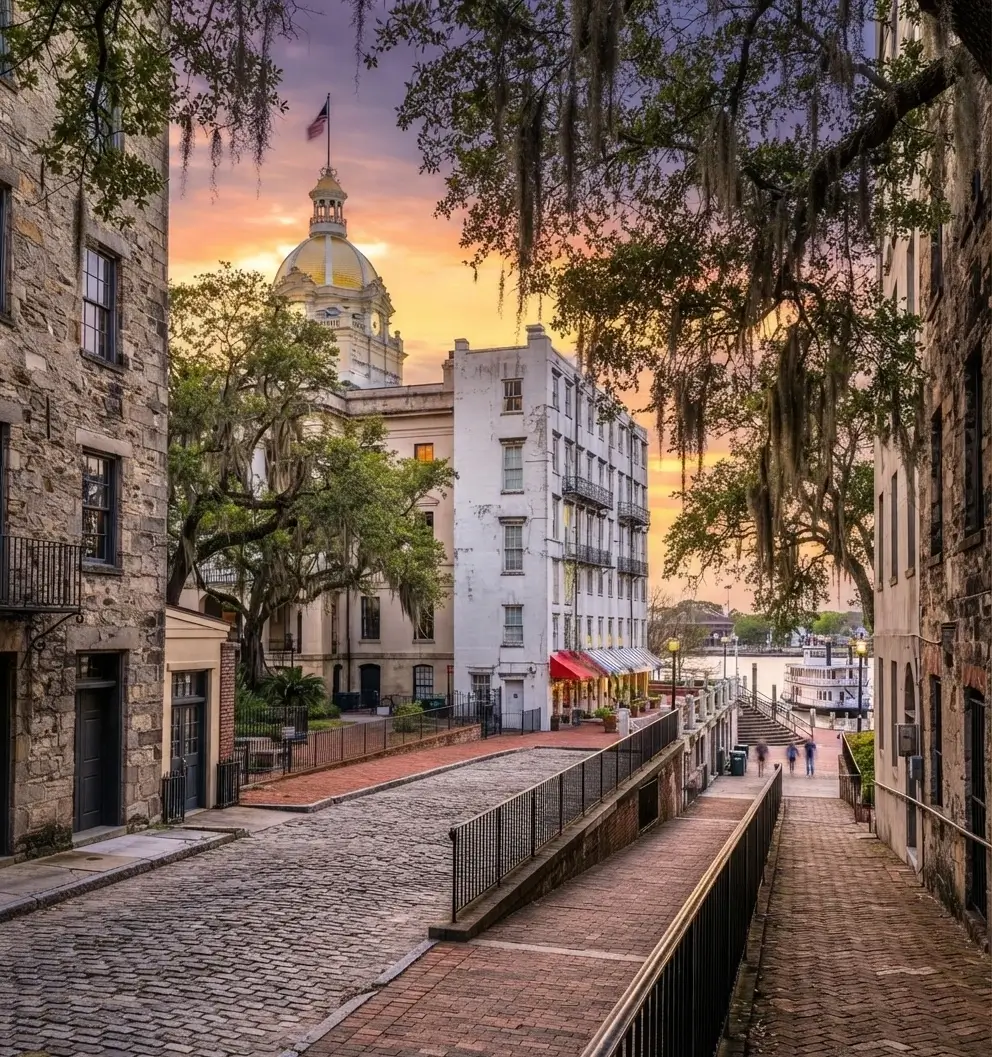
25 Best Savannah Attractions in Savannah, GA: Top Things to See in 2026
Savannah has attractions for history lovers, families, couples, and first time visitors. The city combines historic squares, museums, parks, churches, and riverfront sights.
If you are visiting Savannah for the first time, start in the Historic District. Many major landmarks sit within a walkable area around its historic squares.
Forsyth Park gives you open space, walking paths, monuments, and Savannah’s famous fountain. River Street takes you to the waterfront, where you can watch ships move along the Savannah River.
You can also explore historic homes, museums, cemeteries, forts, and nearby coastal sites. Tybee Island adds beaches and other coastal activities outside central Savannah.
This guide covers the best Savannah attractions by type, area, and visitor interest. You will also find practical details to help you plan your sightseeing time.
How We Chose These Savannah Attractions
We focus on attractions with strong historical, cultural, scenic, or visitor value. We also consider location, practical access, and how each attraction fits different trips.
Where possible, we verify current details through official sources and established local information. Attraction hours, admission rules, and access can change, so check the official source before your visit.
Savannah Attractions at a Glance
The best attractions in Savannah cover historic sites, parks, museums, public squares, and waterfront areas. This Savannah attractions guide also includes nearby sites for travelers with extra time.
The table below gives you a quick way to compare major Savannah GA attractions by location, visit length, and cost. Time estimates are practical planning estimates, not official visit times.
Attraction | Best For | Area | Type | Time Needed | Cost |
|---|---|---|---|---|---|
Forsyth Park | First time visitors, families, photos | Historic District | Park | 45 to 90 min | Free |
River Street | Waterfront views, shopping, ships | River Street | Waterfront | 1 to 2 hrs | Free |
Historic Savannah Squares | Walking, history, architecture | Historic District | Public spaces | 1 to 2 hrs | Free |
City Market | Food, shops, galleries, nightlife | Downtown | Market district | 1 to 2 hrs | Free |
Bonaventure Cemetery | History, photography, architecture | East Savannah | Cemetery | 1 to 2 hrs | Free |
Telfair Museums | Art, history, architecture | Historic District | Museum | 2 to 3 hrs | Paid |
Cathedral Basilica of St. John the Baptist | Architecture, history, worship | Historic District | Church | 30 to 60 min | Free |
Juliette Gordon Low Birthplace | Girl Scouts, local history | Historic District | Historic home | 1 hr | Paid |
Old Fort Jackson | Military history, families | East Savannah | Fort | 1 to 2 hrs | Paid |
Wormsloe State Historic Site | Colonial history, nature, photos | Isle of Hope | Historic site | 1.5 to 2 hrs | Paid |
Owens Thomas House & Slave Quarters | Historic architecture, slavery history | Historic District | Historic home | 1 hr | Paid |
SCAD Museum of Art | Contemporary art | Downtown | Art museum | 1 to 2 hrs | Paid |
Colonial Park Cemetery | Savannah history, historic sites | Historic District | Cemetery | 30 to 60 min | Free |
Ships of the Sea Maritime Museum | Maritime history | Downtown | Museum | 1 to 1.5 hrs | Paid |
First African Baptist Church | African American history | Historic District | Historic church | 45 to 60 min | Paid or tour |
Ralph Mark Gilbert Civil Rights Museum | Civil rights history | Downtown | Museum | 1 to 2 hrs | Paid |
Tybee Island Beach | Beach time, families, couples | Tybee Island | Beach | 2 to 5 hrs | Free |
Fort Pulaski National Monument | Military history, outdoor exploring | Near Tybee Island | Fort | 2 to 3 hrs | Paid |
Savannah History Museum | Savannah history | Downtown | Museum | 1 to 1.5 hrs | Paid |
Davenport House Museum | Historic homes, architecture | Historic District | Historic home | 1 hr | Paid |
Beach Institute African American Cultural Center | African American history and culture | Historic District | Cultural site | 45 to 60 min | Paid or varies |
Ellis Square | Families, public space, City Market access | Downtown | Public square | 30 to 60 min | Free |
Savannah Theatre | Live entertainment, historic architecture | Historic District | Theatre | 2 to 3 hrs | Paid |
American Prohibition Museum | Prohibition history, adults | City Market | Museum | 1 to 1.5 hrs | Paid |
Georgia State Railroad Museum | Families, trains, local history | Downtown | Museum | 1.5 to 2 hrs | Paid |
Source note: Savannah’s official tourism and city sources identify major sites such as Forsyth Park, River Street, City Market, historic squares, museums, and historic landmarks. Wormsloe State Historic Site is operated by Georgia State Parks, while Fort Pulaski is part of the National Park Service. Telfair Museums currently operates the Telfair Academy, Jepson Center, and Owens Thomas House.
How to Use This Savannah Attractions Table
Start with the Historic District if this is your first Savannah trip. Many major landmarks, squares, churches, museums, and historic homes sit within the central walking area.
Choose Forsyth Park for open space, walking paths, monuments, and Savannah’s well known fountain. The city says the park covers 30 acres and dates to the 1840s.
Choose River Street for waterfront views, shops, restaurants, and ship watching. The area follows the Savannah River beside the historic downtown grid.
Add Wormsloe or Fort Pulaski when you have extra time outside central Savannah. Both work well for travelers interested in history and outdoor sites.
For art, compare Telfair Museums with the SCAD Museum of Art. SCAD Museum of Art currently lists general admission at $10, with free admission for children under 14.
Planning note: Check each attraction’s official website before visiting. Hours, ticket prices, tours, closures, and special events can change.
Top 10 Savannah Attractions You Shouldn’t Miss
These top Savannah attractions cover Savannah’s parks, waterfront, historic sites, museums, and major landmarks. The list suits first time visitors, families, couples, and travelers interested in Savannah’s history.
1. Forsyth Park
Why visit: Forsyth Park is a 30 acre public park in Savannah’s Historic District. Its 1858 fountain, walking paths, monuments, and open lawns make it a key first stop.
Best for: First time visitors, families, couples, photographers, and outdoor walks.
Allow: 45 to 90 minutes.
Where: Historic District, along Bull Street.
Good to know: The park is free to visit. Check the City of Savannah page for current project updates before your visit.
2. River Street
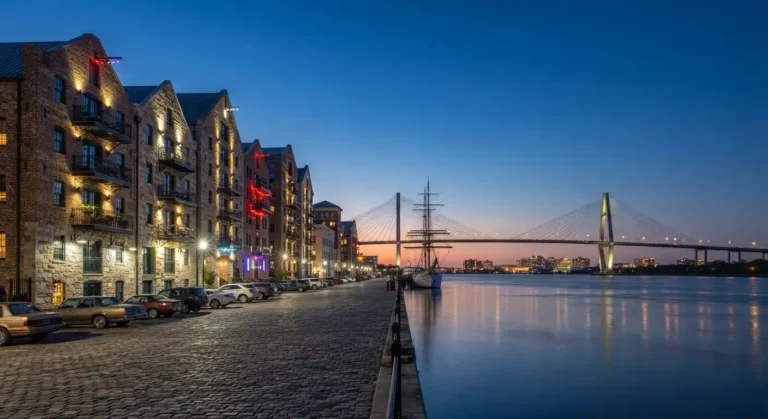
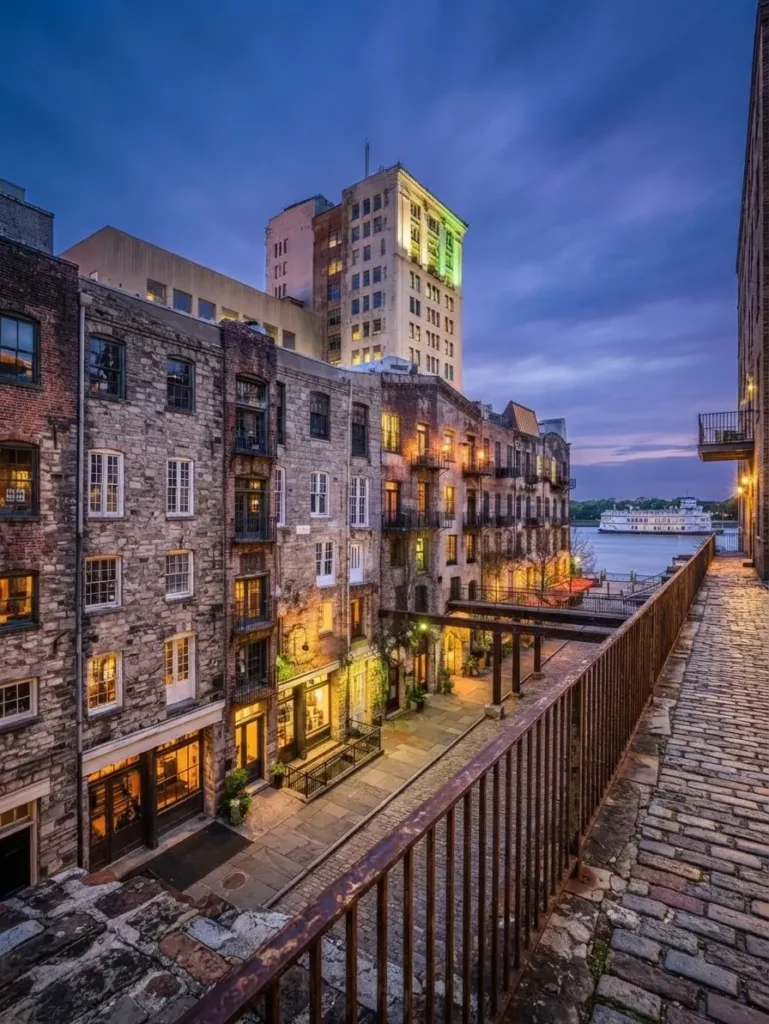
Why visit: River Street runs beside the Savannah River below the historic downtown bluff. You can walk beside the river, browse shops, visit restaurants, and watch ships pass the waterfront.
Best for: First time visitors, couples, families, shoppers, and waterfront walks.
Allow: 1 to 2 hours.
Where: Savannah River waterfront, below Bay Street.
Good to know: River Street connects with Factors Walk and several access points from the upper Historic District.
3. Historic Savannah Squares
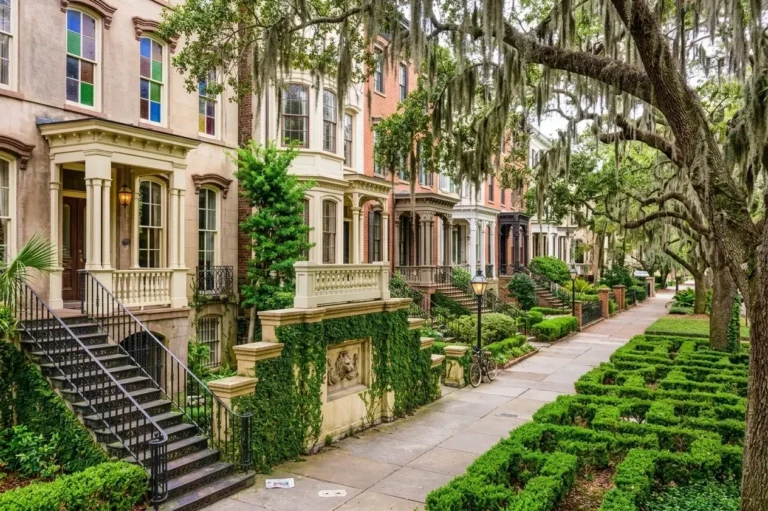
Why visit: Savannah’s historic squares create a walkable network through the Historic District. Each square has its own layout, monuments, trees, and nearby historic buildings.
Best for: History lovers, walkers, photographers, couples, and first time visitors.
Allow: 1 to 2 hours for several squares.
Where: Historic District.
Good to know: Wear comfortable shoes and explore the squares along a planned walking route. The squares connect well with other major Savannah attractions.
4. City Market
Why visit: City Market covers four blocks in downtown Savannah. Restaurants, galleries, shops, live music, and local businesses make it an easy stop during a walking day.
Best for: Families, food travelers, shoppers, couples, and first time visitors.
Allow: 1 to 2 hours.
Where: Downtown Savannah, near Ellis Square.
Good to know: City Market sits close to River Street and several Historic District squares. You can combine both areas during one walking route.
5. Bonaventure Cemetery
Why visit: Bonaventure Cemetery sits on a bluff beside the Wilmington River east of central Savannah. Its historic graves, sculptures, trees, and notable burials make it an important Savannah history site.
Best for: History lovers, photographers, architecture fans, and quiet walks.
Allow: 1 to 2 hours.
Where: East Savannah, at 330 Bonaventure Road.
Good to know: The cemetery covers more than 100 acres and opens to the public daily. The City of Savannah currently lists hours as 8 a.m. to 5 p.m.
6. Telfair Museums
Why visit: Telfair Museums connects art, architecture, and Savannah history across three sites. The group includes Telfair Academy, Jepson Center, and Owens Thomas House and Slave Quarters.
Best for: Art lovers, history travelers, families, and architecture fans.
Allow: 2 to 3 hours.
Where: Downtown and Historic District.
Good to know: The three sites have different exhibits and tour formats. Check the official Telfair Museums website for current hours and admission details.
7. Cathedral Basilica of St. John the Baptist
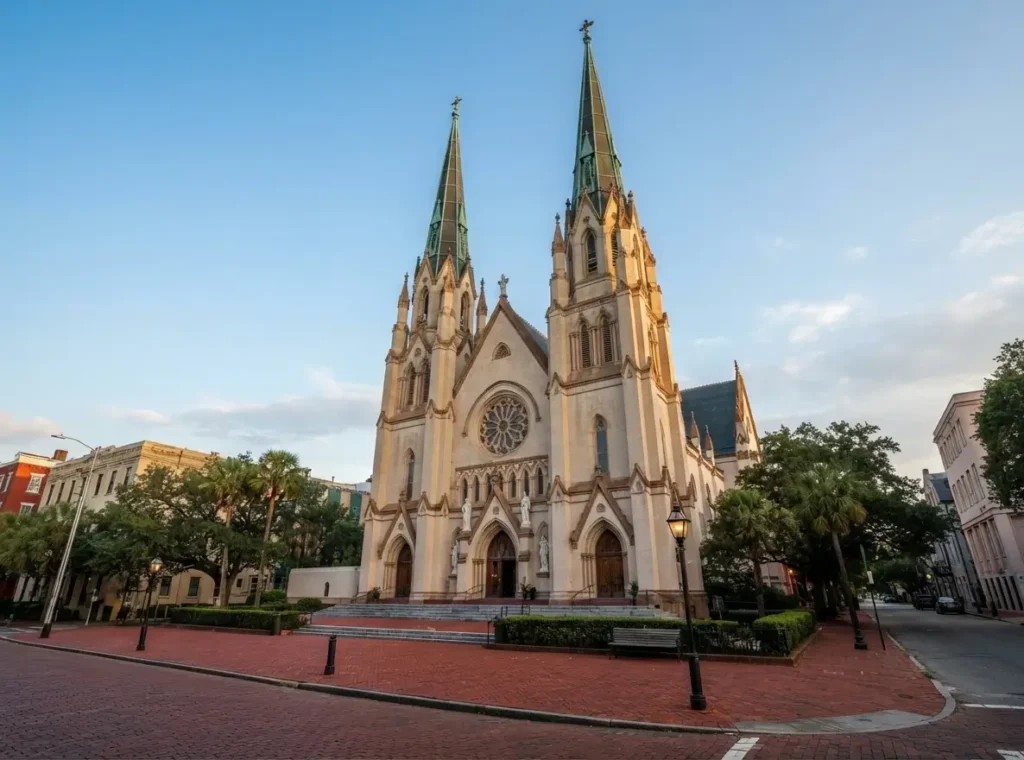
Why visit: The Cathedral Basilica of St. John the Baptist is one of Savannah’s major historic churches. Visitors can see its architecture, stained glass, and interior details during available visiting hours.
Best for: History lovers, architecture fans, photographers, and first time visitors.
Allow: 30 to 60 minutes.
Where: Historic District, near Lafayette Square.
Good to know: It remains an active place of worship. Check current visiting hours and respect services when planning your visit.
8. Juliette Gordon Low Birthplace
Why visit: The Juliette Gordon Low Birthplace preserves the Savannah home of the 【entity-Girl Scouts¦canonical_name=Girl Scouts】 founder. The historic house sits within the Historic District and focuses on Low’s life and legacy.
Best for: Families, Girl Scout visitors, history lovers, and first time visitors.
Allow: About 1 hour.
Where: Historic District, at 10 East Oglethorpe Avenue.
Good to know: Guided tours form an important part of the visit. The site also lists accessibility information and current visiting hours online.
9. Old Fort Jackson
Why visit: Old Fort Jackson is a National Historic Landmark beside the Savannah River. Visitors can explore the fort and see historical weapons demonstrations and military programs.
Best for: Families, military history travelers, and visitors with children.
Allow: 1 to 2 hours.
Where: Eastern Savannah, beside the Savannah River.
Good to know: The site currently lists daily hours from 9 a.m. to 4 p.m. Check the official site before traveling because programs can change.
10. Wormsloe Historic Site
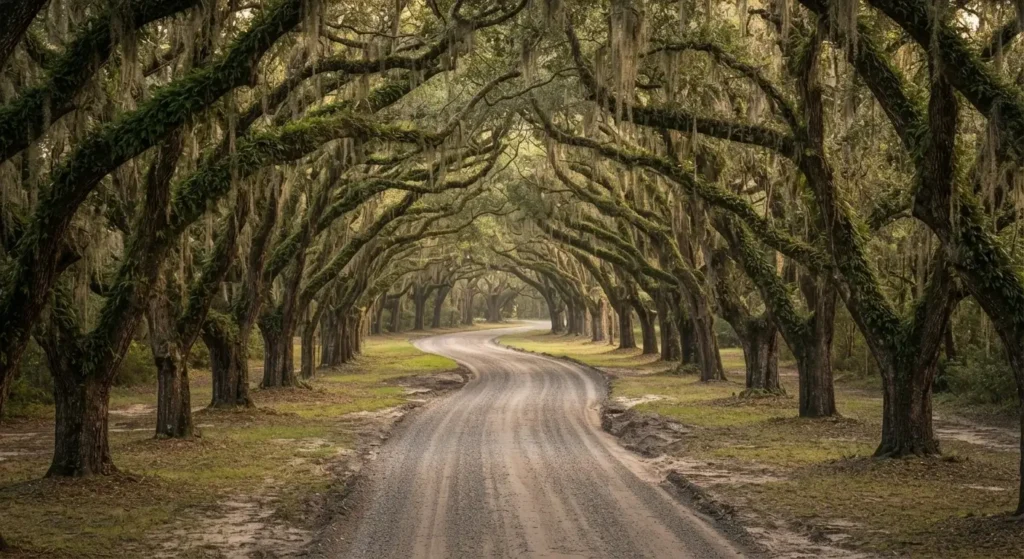
Why visit: Wormsloe Historic Site preserves the former estate of Noble Jones, an early Georgia settler. Its long avenue of live oaks leads toward historic ruins, trails, and a museum.
Best for: History lovers, photographers, couples, and outdoor travelers.
Allow: 1.5 to 2 hours.
Where: Isle of Hope, about 20 minutes south of downtown Savannah.
Good to know: Wormsloe works best when you have extra time beyond the central Historic District. Check Georgia State Parks for current admission, hours, and site conditions before visiting.
Why These 10 Savannah Attractions Made the List
This selection covers several major types of Savannah attractions. You get public parks, historic streets, museums, churches, cemeteries, forts, and a historic coastal site.
The locations also create different sightseeing options. You can stay within the Historic District or add sites outside central Savannah.
For a first trip, start with Forsyth Park, the historic squares, City Market, and River Street. Add one museum or historic house based on your interests.
Travelers with more time can add Bonaventure Cemetery, Old Fort Jackson, or Wormsloe Historic Site. These sites show parts of Savannah that sit beyond the central walking area.
Best Attractions in Savannah, GA by Type
The best attractions in Savannah depend on your interests, available time, and travel group. This guide groups major Savannah attractions by type so you can plan faster.
Best Historic Attractions in Savannah
Savannah’s Historic District is the main area for historic sites and architecture. Historic squares, old homes, churches, and museums sit within a walkable part of downtown.
Historic Savannah Squares: The squares form a major part of Savannah’s original city plan. They work well for walking, photography, and short history stops.
Owens Thomas House & Slave Quarters: This Telfair Museums site explores architecture, ownership, and the lives of enslaved people. Guided tours provide more context than a quick exterior visit.
Juliette Gordon Low Birthplace: This historic home tells the story of the 【entity-Girl Scouts¦canonical_name=Girl Scouts】 founder. It fits well into a Historic District walking route.
Historic homes: Savannah has several preserved homes that help explain the city’s colonial and later history. Choose one based on your interest rather than trying to visit every house.
Best for: History lovers, architecture fans, first time visitors, and travelers interested in colonial Savannah.
Best Museums in Savannah
Savannah’s museums cover art, local history, architecture, military history, and children’s activities. Your choice depends on the type of history or art you want to explore.
Telfair Museums: Telfair includes Telfair Academy, Jepson Center, and Owens Thomas House & Slave Quarters. The three sites cover art, architecture, and Savannah history.
Jepson Center: This downtown museum focuses on modern and contemporary art. It also contains the Telfair Children’s Art Museum with hands on activities for children.
Savannah History Museum: This museum covers Savannah’s history through exhibits and historic objects. It works well for visitors who want local history in one location.
SCAD Museum of Art: The museum focuses on contemporary art and works by established and emerging artists. Its current general admission is $10, with free entry for children under 14.
Best for: Art lovers, history travelers, families, and visitors who want indoor attractions.
Best Parks and Outdoor Attractions
Savannah gives you several ways to spend time outside the museums and historic homes. Options range from city parks to coastal sites and historic grounds.
Forsyth Park: The 30 acre park has walking paths, monuments, a playground, and its well known fountain. It is an easy addition to a Historic District walking day.
Skidaway Island: Skidaway Island State Park gives visitors access to trails through coastal habitats. It suits travelers who want nature beyond downtown.
Wormsloe: Wormsloe combines colonial history with outdoor walking. Its live oak avenue leads toward historic remains, museum exhibits, and an interpretive trail.
Bonaventure Cemetery: This large cemetery combines Savannah history, sculpture, landscaping, and outdoor walking. It also sits outside the main Historic District.
Best for: Outdoor travelers, photographers, history lovers, couples, and visitors with extra time.
Best Waterfront Attractions
The Savannah River shapes much of the city’s historic waterfront. River Street, the Riverwalk, and nearby waterfront sites work well for a slower sightseeing stop.
River Street: The street follows the Savannah River below the downtown bluff. Shops, restaurants, historic buildings, and river views make it one of the easiest waterfront stops.
Savannah River: The river remains an active working waterway. Ship watching adds a different side to Savannah’s waterfront.
Riverwalk: The Riverwalk connects sections of River Street and provides a place to walk beside the river.
Savannah riverfront: The waterfront works well for an evening walk after exploring downtown. You can also combine it with City Market and the Historic District.
Savannah Riverboat: Riverboat cruises give you another way to see the waterfront. Check current cruise schedules before planning around a specific departure.
Best for: Couples, first time visitors, families, photographers, and travelers who want waterfront views.
Best Attractions for Families
Families can mix outdoor spaces with museums, historic sites, forts, and beach time. This helps prevent a sightseeing day from becoming too focused on indoor attractions.
Jepson Center and Telfair Children’s Art Museum: Interactive art areas give younger visitors something hands on to do.
Forsyth Park: The park has open lawns, walking paths, a playground, and sports facilities. It gives children space between sightseeing stops.
Old Fort Jackson: The fort adds military history and programs that can hold children’s attention. Check the current schedule before visiting.
Fort Pulaski National Monument: The fort combines history with trails, marsh views, and outdoor space. It sits near Tybee Island and works well as part of a coastal day.
Tybee Island: Tybee adds beaches and coastal activities about a short drive from central Savannah. It works better as a separate half day or full day plan.
Best for: Families with children, multigenerational groups, and travelers planning several days in Savannah.
Best Attractions for Couples
Couples can build a Savannah sightseeing day around walking, historic architecture, waterfront views, and evening activities.
Historic squares: Walk several squares together and stop at nearby homes, churches, cafes, or restaurants. The compact layout makes it easy to create your own route.
River Street: The waterfront gives couples a simple route for an afternoon or evening walk. You can add dinner or a riverboat cruise afterward.
Forsyth Park: Visit the fountain and walk the park before continuing toward the southern Historic District. The park’s one mile perimeter gives you room for a longer walk.
Sunset experiences: Plan sunset near the riverfront or another open coastal area. Check the day’s sunset time and weather before choosing your location.
Evening tours: Ghost tours and other evening tours give couples a different way to explore Savannah after dark. Check the operator’s current schedule and route before booking.
Best for: Couples, date trips, anniversary visits, photographers, and travelers planning an evening in Savannah.
Fun Attractions in Savannah, GA
Fun attractions in Savannah GA can mean a relaxed river walk, a museum visit, a ghost tour, or an evening cruise. The best choice depends on your age group, interests, and time available.
Fun Things to Do During the Day
Start with a walk through Savannah’s Historic District and its historic squares. The squares connect many landmarks, historic homes, shops, and museums within a walkable area.
River Street works well when you want sightseeing without a fixed schedule. Walk along the Savannah River, watch cargo ships, browse shops, and stop for food.
City Market adds restaurants, galleries, shops, museums, and live performances to a downtown walking route. It also sits close to Ellis Square and several other downtown attractions.
For indoor time, choose a museum based on your interests. Telfair Museums and the SCAD Museum of Art give you different ways to explore Savannah’s art scene.
Walking tours also make sightseeing easier for first time visitors. You can choose historic, architectural, food, or other themed routes.
Good daytime plan: Historic squares → City Market → River Street → Savannah River waterfront.
Fun Things to Do at Night
Savannah becomes more active after sunset, with tours, river cruises, live entertainment, and evening walks.
Ghost tours are one of the city’s better known nighttime activities. Tour options include walking tours, trolley tours, and other formats focused on Savannah’s haunted history and local stories.
A Savannah Riverboat cruise gives you a different view of the waterfront after dark. Some cruises include dinner, entertainment, or sightseeing. Check the current schedule before booking.
River Street also works well after sunset. You can walk beside the Savannah River, visit shops, and choose a restaurant or nearby entertainment.
City Market can work for an evening stop when you want restaurants, live music, and shops in one area.
Good nighttime plan: Dinner downtown → City Market → ghost tour or river cruise.
Fun Attractions for Families
Families can mix active outdoor stops with museums and historic sites. This keeps younger travelers from spending the entire day inside museums.
Forsyth Park gives children space to walk, play, and take a break from sightseeing. The park has open lawns, walking paths, monuments, and a playground.
Jepson Center adds indoor activities and art. Telfair Museums also operates the Telfair Children’s Art Museum, which focuses on hands on activities for younger visitors.
Old Fort Jackson gives families a chance to explore a historic military site. Check the current program schedule before visiting.
Tybee Island works well when children need beach time. The island adds swimming, sand, and coastal activities outside central Savannah.
For a simple family day, combine one museum or historic site with a park. Save Tybee Island for a separate coastal day when possible.
Fun Attractions for Couples
Couples can build a relaxed day around walking, river views, historic streets, and evening activities.
Start with the Historic Savannah Squares and walk toward Forsyth Park. This route passes historic buildings, churches, shops, and other points of interest.
River Street works well for an afternoon or evening together. Walk along the river, watch passing ships, browse shops, and stop for dinner.
A Savannah Riverboat cruise adds time on the water. Choose a sightseeing or dinner cruise based on your schedule and interests.
For a quieter option, visit Forsyth Park before sunset. Then continue toward the riverfront for dinner or an evening walk.
Couples who enjoy local stories can also choose a ghost tour after dinner. Walking tours can add history and storytelling to the evening.
Unique Savannah Experiences
Some Savannah activities stand out because they combine the city’s history, layout, and waterfront setting.
Walk the Historic District: Follow a route through several historic squares, then continue toward Forsyth Park or River Street. A self guided route gives you control over stops and timing.
Take a ghost tour: Savannah’s historic squares, cemeteries, and old buildings provide the setting for many nighttime tours. Choose a walking or trolley format based on your comfort level.
Cruise the Savannah River: A riverboat cruise lets you see the waterfront from the water. Options include sightseeing, dining, and entertainment cruises.
Explore City Market: The four block market district brings together restaurants, galleries, shops, museums, and live performances.
Visit River Street at sunset: The riverfront gives you views of the Savannah River and passing ships. You can extend the evening into Plant Riverside District or nearby restaurants.
Join a themed walking tour: Savannah has tours focused on history, architecture, food, ghosts, and other interests. This works well when you want local context without planning every stop yourself.
Quick planning guide: Choose walking tours for history, river cruises for waterfront views, museums for indoor time, and Tybee Island for a beach day.
Savannah Attractions by Area
Savannah area attractions spread across several districts and nearby coastal communities. Knowing where each attraction sits helps you build shorter routes and avoid unnecessary driving.
For first time visitors, the Historic District usually makes the easiest starting point. Other areas become more useful when you have extra time or specific interests.
Historic District Attractions
The Historic District contains many of Savannah’s main attractions within a compact area. Historic squares, museums, churches, and historic homes sit along walkable streets.
Historic Savannah Squares are a good starting point. The squares connect many landmarks and provide natural breaks during a walking route.
Historic homes add more detail about Savannah’s architecture and past. The Owens Thomas House and Juliette Gordon Low Birthplace are two well known examples.
Cathedral Basilica of St. John the Baptist sits near Lafayette Square. Its interior includes detailed artwork, stained glass, and historic architecture.
Telfair Museums give visitors several indoor options. The group includes Telfair Academy, Jepson Center, and Owens Thomas House and Slave Quarters.
Forsyth Park sits at the southern end of the Historic District. Its 30 acres include walking paths, monuments, a playground, and the famous fountain.
Best for: First time visitors, history lovers, architecture fans, couples, and travelers without a car.
Planning tip: Combine the squares, Cathedral, a historic home, and Forsyth Park into one walking day.
Downtown Savannah Attractions
Downtown Savannah connects City Market, Broughton Street, museums, and the northern part of the Historic District. This area works well when you want shopping, food, museums, and sightseeing close together.
City Market covers four blocks with restaurants, galleries, shops, and live entertainment. Ellis Square sits directly beside the market.
Broughton Street is one of Savannah’s main shopping streets. Local shops, national retailers, cafes, restaurants, and galleries line the area.
Telfair Museums provide an indoor stop near the center of downtown. Their three sites cover art, architecture, and Savannah history.
River Street sits just below the downtown bluff. You can walk from downtown toward the waterfront through several historic access points.
Best for: Shoppers, food travelers, museum visitors, first time visitors, and short stays.
Planning tip: City Market, Broughton Street, and River Street can fit into one downtown sightseeing route.
River Street Attractions
River Street runs along the Savannah River below the historic downtown bluff. Its historic buildings now hold shops, restaurants, galleries, and other businesses.
The Riverwalk gives visitors a place to walk beside the water and watch river traffic. Large container ships regularly pass through the working port.
The Savannah River also shapes the views from the waterfront. Ship watching is one of the simplest activities here and does not require a ticket.
Shops and restaurants fill many of the former cotton warehouses along River Street. Visit Savannah currently lists more than 75 boutiques, galleries, studios, restaurants, and pubs in the area.
Boat experiences give you another way to see the waterfront. Savannah Riverboat Cruises operates sightseeing and other cruise options, with schedules changing by season.
Plant Riverside District extends the waterfront experience west of the main River Street area. Restaurants, shops, entertainment, and rooftop spaces line the riverfront.
Best for: River views, couples, families, shopping, dining, photography, and evening walks.
Planning tip: River Street works well before or after City Market. Allow extra time for the stairs, ramps, and cobblestones.
Starland District Attractions
Starland District sits south of the Historic District and extends around Bull Street toward Victory Drive. The area has developed into a center for local art, food, shops, and entertainment.
Local art is one reason to visit. Galleries, studios, murals, and creative businesses give the district a different feel from the historic core.
Restaurants and cafes are another draw. Local businesses range from casual restaurants to coffee shops, bakeries, and food halls.
Neighborhood experiences work best here when you have time to explore without a strict sightseeing checklist. Starland Yard adds food vendors, outdoor seating, events, and games.
Best for: Food travelers, art lovers, younger travelers, repeat visitors, and people who want a local neighborhood stop.
Planning tip: Add Starland after Forsyth Park. The southern end of the district sits close to the park.
Midtown Savannah Attractions
Midtown is not a major sightseeing zone like the Historic District. It makes more sense for travelers staying in the area or looking for sports, shopping, dining, and local activities.
Daffin Park provides outdoor space and connects with Grayson Stadium, home to the Savannah Bananas. Game schedules vary, so check dates before planning around a game.
Midtown also has shopping areas, restaurants, cafes, and neighborhood businesses. These stops can be useful when you stay outside downtown.
Best for: Travelers staying in Midtown, sports fans, local dining, and visitors with extra time.
Planning tip: Do not build your first Savannah sightseeing day around Midtown. Use it when your hotel or planned activity already puts you in the area.
Attractions Near Savannah
Several major attractions sit outside central Savannah. They work best as half day or full day additions to a longer trip.
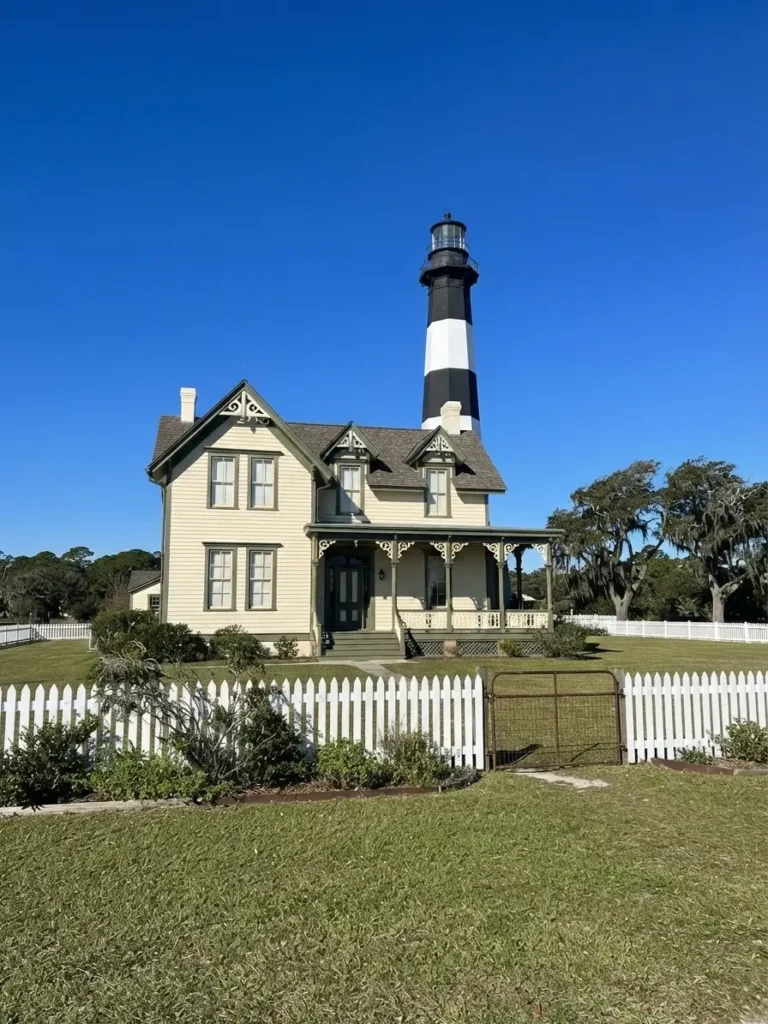
Tybee Island is Savannah’s nearby beach community. Visitors can spend time on the beaches, visit the Tybee Island Light Station, or explore the coast by kayak or boat.
Fort Pulaski National Monument sits between Savannah and Tybee Island. The fort combines Civil War history with trails, marshes, and outdoor areas.
Wormsloe State Historic Site sits in the Isle of Hope area south of downtown. The site includes the oak lined entrance road, colonial ruins, museum exhibits, and an interpretive trail.
Skidaway Island State Park gives travelers access to coastal trails, salt marshes, boardwalks, and wildlife viewing. It works well for visitors who want nature beyond downtown.
Best for: Nature lovers, families, history travelers, beach visitors, photographers, and longer stays.
Planning tip: Combine Fort Pulaski with Tybee Island. Visit Wormsloe or Skidaway Island on a separate southside outing when possible.
Savannah GA Sites and Attractions for History Lovers
Savannah GA sites and attractions tell a story that spans colonial settlement, slavery, war, preservation, and civil rights.
The city was founded in 1733 under James Oglethorpe. Its original plan used wards, streets, and public squares. That layout still shapes the Historic District today.
History travelers should look beyond the famous homes and squares. Churches, museums, military sites, and Black heritage sites add important parts of Savannah’s story.
Colonial Savannah
Savannah began as the first settlement of the Georgia colony in 1733. James Oglethorpe selected a high bluff above the Savannah River for the new town.
The original city plan divided Savannah into wards. Each ward centered on a public square and included residential and public lots. This system helped shape the city as it expanded.
Johnson Square is one of the key places to understand the early plan. It was one of the first four squares laid out in 1733.
Wright Square also dates to the colonial period. The square includes a marker associated with Tomochichi, the Yamacraw leader who had relations with Oglethorpe and the early settlers.
Wormsloe State Historic Site provides another view of the colonial period. The site sits south of central Savannah and preserves part of the former Wormsloe plantation.
Colonial history also needs context. Georgia’s early restrictions on slavery ended in 1750. Slavery later became an important part of the colony’s economy.
For a deeper look, Owens Thomas House and Slave Quarters connects Savannah’s architecture with the lives of enslaved people who lived and worked there.
Historic Squares
Savannah’s squares are among the clearest places to see the city’s original planning system.
The 【entity-National Park Service¦canonical_name=National Park Service】 notes that Oglethorpe’s plan used central squares as gathering spaces within each ward. The system was repeated as Savannah grew.
Several squares are especially useful for history travelers:
- Johnson Square: One of Savannah’s original squares, dating to 1733.
- Wright Square: Connected to early Savannah and the Yamacraw leader Tomochichi.
- Reynolds Square: One of the original squares from the city’s early expansion.
- Franklin Square: Includes the Haitian Monument, which recognizes Haitian soldiers who fought during the Siege of Savannah.
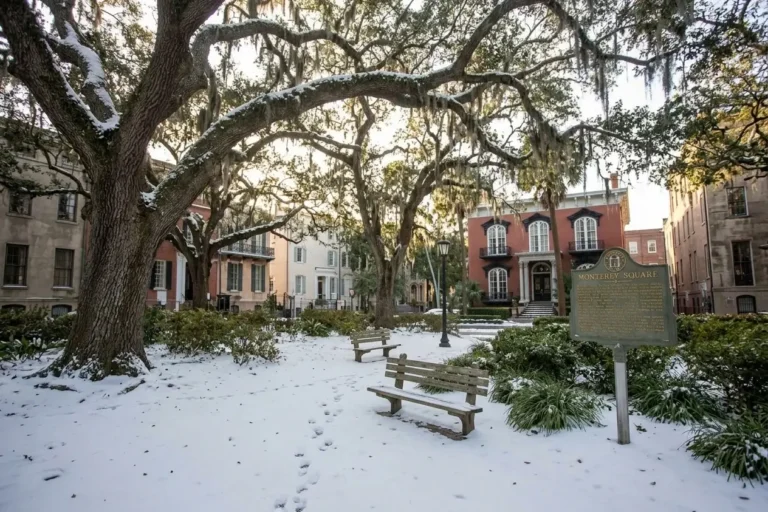
- Monterey Square: Home to the Casimir Pulaski Monument and several historic buildings.
- Madison Square: Contains a monument to Sergeant William Jasper and a marker connected to the 1779 Siege of Savannah.
- Taylor Square: Formerly known as Calhoun Square, it was renamed for Susie King Taylor, an African American Civil War nurse, teacher, and writer.
Savannah’s squares work best as part of a walking route. Read the monuments and markers instead of treating the squares only as photo stops.
Historic Homes
Historic homes show how Savannah’s wealthy residents lived during different periods. They also provide a way to study architecture, preservation, and social history.
Owens Thomas House and Slave Quarters is especially important for understanding both sides of Savannah’s past. The property includes the main house and surviving quarters for enslaved people.
Davenport House Museum dates to 1820. Its preservation helped spark the historic preservation movement in Savannah during the 1950s.
Green Meldrim House connects residential history with the Civil War. Union General William T. Sherman used the house as his Savannah headquarters in 1864.
Juliette Gordon Low Birthplace helps explain the life of the woman who founded the 【entity-Girl Scouts¦canonical_name=Girl Scouts】. The house dates to the early 19th century and sits near Lafayette Square.
Andrew Low House provides another look at 19th century Savannah life. It stands across from Lafayette Square.
When visiting historic homes, look at more than the architecture. Ask who owned the property, who worked there, and how the building’s use changed over time.
Civil War and Military Sites
Savannah’s military history reaches from the colonial period through the Civil War.
Fort Pulaski National Monument is one of the most important military sites near Savannah. Construction began in 1829, and the fort saw major action during the Civil War. The Battle of Fort Pulaski lasted about 30 hours in April 1862.
The fort also connects military history with African American history. The National Park Service has documented the lives and labor of African Americans connected with Fort Pulaski from the colonial period through 1900.
Old Fort Jackson sits east of downtown along the Savannah River. The restored fort helps visitors study Savannah’s coastal defenses and military history.
Green Meldrim House is useful for Civil War history inside the Historic District. Sherman used the property as his headquarters during the Union occupation of Savannah.
Madison Square and Monterey Square also connect the city center with the Revolutionary War. Savannah was the site of the 1779 Siege of Savannah, when French and American forces tried to take the city from British control.
African American History Sites
African American history is central to Savannah’s story. It includes slavery, Black churches, education, emancipation, civil rights, and community leadership.
First African Baptist Church traces its roots to 1773. Its present building was completed in 1859 by congregants who were both free and enslaved. The church later became an important place in Savannah’s civil rights history.
First Bryan Baptist Church dates its founding to 1788. Its history connects to Andrew Bryan, early Black religious life, emancipation, and the Civil War era.
Ralph Mark Gilbert Civil Rights Museum documents Savannah’s civil rights movement and honors Rev. Dr. Ralph Mark Gilbert. Gilbert led the 【entity-Savannah NAACP¦canonical_name=NAACP】 during the 1940s and helped organize Black voter registration and civil rights work.
Beach Institute was established in 1865 as a school for newly freed Black people. The building later became an important site for African American arts and culture in Savannah.
King Tisdell Cottage focuses on African American history and culture in Savannah. The cottage has served as a museum of African American arts and crafts.
The African American Family Monument on River Street remembers the history of enslaved Africans and emancipation. The monument depicts a family with broken chains at their feet.
These sites add context that visitors can miss when they focus only on historic houses and architecture. Savannah’s Black history is part of the city’s foundation, not a separate story added later.
Points of Interest in Savannah, Georgia
Points of interest in Savannah, Georgia, range from historic squares and museums to riverfront parks and nearby coastal sites.
The easiest way to plan them is by type. This helps you choose places that fit your interests instead of building a list of unrelated stops.
Landmarks
Savannah’s landmarks show how the city developed from its founding in 1733 through later periods.
Cathedral Basilica of St. John the Baptist stands near Lafayette Square. Its architecture and interior artwork make it one of the city’s major landmarks.
Savannah’s Historic Squares are another defining part of the city. The original plan used public squares as central spaces within each ward. Many still contain monuments, churches, and historic buildings.
Juliette Gordon Low Birthplace connects Savannah with the founding of 【entity-Girl Scouts¦canonical_name=Girl Scouts】 of the USA.
City Market has served as a central gathering and commercial area for generations. Today, it combines historic buildings with restaurants, galleries, shops, and entertainment.
Old Fort Jackson and Fort Pulaski National Monument add military history to the landmark list.
Parks
Savannah’s parks provide open space within the historic city and along the coast.
Forsyth Park is the largest major park in the Historic District. It covers 30 acres and includes the Forsyth Fountain, walking paths, sports facilities, playgrounds, and a farmers market.
Emmet Park sits near River Street and Factors Walk. It contains monuments and connects visitors with the eastern section of the riverfront.
Skidaway Island State Park gives visitors a different setting south of Savannah. Trails, boardwalks, marsh views, and wildlife make it useful for travelers who want time outdoors.
Savannah’s smaller squares also function as neighborhood parks. The City of Savannah manages the squares and other public green spaces as important historic places.
Museums
Savannah museums cover art, local history, architecture, military history, and African American heritage.
Telfair Museums operates three sites: Telfair Academy, Jepson Center, and Owens Thomas House and Slave Quarters. Together, they cover art, architecture, and Savannah history.
Savannah History Museum explains the city’s history through objects, exhibits, and stories connected to different periods.
SCAD Museum of Art focuses on modern and contemporary art within the Savannah College of Art and Design.
Ralph Mark Gilbert Civil Rights Museum documents Savannah’s civil rights movement and Black community history.
Pin Point Heritage Museum focuses on the history of the Pin Point community and its Gullah Geechee heritage.
Historic Buildings
Historic buildings give visitors a closer look at Savannah’s architecture and the people who lived and worked inside these properties.
Owens Thomas House and Slave Quarters is important for understanding both the owners and enslaved people connected with the property.
Davenport House Museum dates to 1820 and played a major role in Savannah’s historic preservation movement.
Juliette Gordon Low Birthplace preserves the home connected with the 【entity-Girl Scouts¦canonical_name=Girl Scouts】 founder.
Green Meldrim House connects residential history with the Civil War. Union General William T. Sherman used the house as his Savannah headquarters in 1864.
First African Baptist Church adds an important religious and African American history site to the Historic District. Its congregation traces its history to the 18th century.
Waterfront
The Savannah waterfront follows the Savannah River along the northern edge of downtown.
River Street is the main waterfront area for visitors. Historic buildings now contain shops, restaurants, galleries, and other businesses.
The Riverwalk provides a route beside the river. It is also a good place to watch ships moving through Savannah’s working port.
Factors Walk connects the upper Historic District with the riverfront through historic walkways and ramps.
Plant Riverside District extends the waterfront area west of River Street. It has restaurants, shops, entertainment, and river views.
Savannah Riverboat Cruises provide another way to see the river and waterfront. Cruise schedules and options change, so check current departure information before visiting.
Cemeteries
Savannah’s cemeteries are historic sites as well as burial grounds.
Bonaventure Cemetery is the best known cemetery for visitors. The grounds contain historic graves, monuments, sculptures, and large sections of landscaped burial grounds.
Colonial Park Cemetery sits in the Historic District near Oglethorpe Square. It contains graves dating to Savannah’s early periods.
Laurel Grove North Cemetery is an important site for Savannah’s African American history. It contains the graves of many notable Black residents.
Laurel Grove South Cemetery also contributes to Savannah’s burial history and preservation story.
The City of Savannah currently lists Bonaventure, Greenwich, Laurel Grove North, Laurel Grove South, and Evergreen among its cemeteries.
Cultural Attractions
Savannah’s cultural points of interest include theaters, churches, galleries, music venues, and community sites.
Historic Savannah Theatre dates to 1818 and continues to host live performances.
Lucas Theatre for the Arts is a restored historic theater on Reynolds Square. It hosts films, concerts, performances, and other events.
City Market is also a cultural stop because of its galleries, local businesses, restaurants, and live performances.
SCAD’s creative spaces add contemporary art and design to the city’s cultural landscape. The university has a major presence across Savannah.
Starland District provides another view of local culture. Its galleries, restaurants, murals, events, and creative businesses give visitors a reason to explore beyond the Historic District.
Nearby Attractions
Some important points of interest sit outside central Savannah. They are better treated as separate outings rather than quick walking stops.
Tybee Island is Savannah’s nearby beach community. The island has beaches, the Tybee Island Light Station, restaurants, and coastal activities.
Fort Pulaski National Monument sits between Savannah and Tybee Island. The fort combines military history with trails, marshland, and coastal scenery.
Wormsloe State Historic Site lies south of downtown. Its oak lined entrance, tabby ruins, museum, and nature trails make it useful for both history and outdoor visits.
Skidaway Island State Park is another nearby option for coastal trails, marsh views, and wildlife.
For a first visit, keep the central points of interest together. Save Tybee Island, Fort Pulaski, Wormsloe, and Skidaway Island for a separate half day or full day.
Savannah Attractions for Different Trip Lengths
The number of days you have changes which Savannah attractions make sense to visit.
One day calls for a compact route through the Historic District. Two days give you room for museums and the riverfront. Three days let you add parks, nearby historic sites, or Tybee Island.
The routes below focus on attractions that work well together by location.
Savannah Attractions for One Day
One day in Savannah is enough to see several major sights. Keep your route inside or close to the Historic District.
Morning: Historic District and Squares
Start around Chippewa Square and walk through several historic squares. Continue toward Madison Square, Lafayette Square, and the Cathedral Basilica of St. John the Baptist.
Allow about two hours for this walking route. Add a historic house if you want a longer history focused morning.
Midday: Forsyth Park and Lunch
Walk south toward Forsyth Park. Stop at the fountain and explore the park before lunch.
You can continue toward Starland District for local food. Another option is to return toward the Historic District for a restaurant near the squares.
Afternoon: City Market and Downtown
Head north toward City Market after lunch. Walk through the market and continue toward Broughton Street.
If you prefer museums, replace some shopping time with Telfair Museums. The Jepson Center or Telfair Academy works well for an indoor afternoon stop.
Evening: River Street
Finish at River Street. Walk along the Riverwalk, watch the ships, and have dinner beside the Savannah River.
Stay until sunset if the weather is comfortable. You can also choose a riverboat cruise or evening walking tour.
One day route: Historic Squares → Cathedral → Forsyth Park → City Market → River Street
Best for: First time visitors who want a broad introduction without leaving central Savannah.
Savannah Attractions for Two Days
Two days give you enough time to slow down and visit more than the main landmarks.
Day 1: Historic District
Start with the Historic Savannah Squares and the Cathedral Basilica of St. John the Baptist.
Continue toward Forsyth Park and explore the southern end of the Historic District.
After lunch, visit a historic house or museum. Juliette Gordon Low Birthplace, Owens Thomas House and Slave Quarters, and Telfair Museums are useful choices for history and culture.
Spend the evening around City Market or River Street.
Day 2: Riverfront, Museums, and a Nearby Attraction
Start at River Street and walk along the waterfront. Continue through Factors Walk and toward City Market.
Use the middle of the day for a museum. Telfair Museums works well if you did not visit on Day 1.
For the afternoon, choose one nearby attraction instead of trying to visit several.
Wormsloe State Historic Site works well for travelers interested in colonial history.
Fort Pulaski National Monument works well for military history and outdoor walking.
Tybee Island works better if you want beaches and coastal scenery.
Return to Savannah for dinner.
Two day route: Historic District → Forsyth Park → historic home or museum → River Street → nearby attraction
Best for: Travelers who want major landmarks plus one attraction outside the city center.
Savannah Attractions for Three Days
Three days give you more flexibility. You can cover the Historic District without rushing and add both culture and a nearby coastal attraction.
Day 1: Historic Savannah
Spend most of the day inside the Historic District.
Start with the squares and major landmarks. Visit the Cathedral Basilica, a historic home, and Forsyth Park.
Use the afternoon for another historic site or a museum.
End the day with dinner near the Historic District or City Market.
Day 2: Museums, River Street, and Downtown
Begin with Telfair Museums or another museum that matches your interests.
After lunch, explore City Market and walk toward River Street.
Spend the afternoon along the Savannah River. Visit shops, stop for food, and watch river traffic.
For the evening, choose a riverboat cruise, ghost tour, live performance, or relaxed dinner near the waterfront.
Day 3: Choose a Nearby Attraction
Use your third day for an attraction outside central Savannah.
Choose Tybee Island if you want beach time, coastal scenery, and the lighthouse.
Choose Fort Pulaski if military history interests you. You can pair it with Tybee Island because both sit on the route toward the coast.
Choose Wormsloe State Historic Site if colonial history is your priority.
Choose Skidaway Island State Park if you prefer trails, marsh views, and wildlife.
You can also stay in Savannah for Day 3. Spend more time in Starland District, visit another museum, or explore neighborhoods beyond the Historic District.
Three day route: Historic District → museums and River Street → Tybee Island, Fort Pulaski, Wormsloe, Skidaway Island, or another local area
Best for: Travelers who want history, culture, outdoor time, and a slower schedule.
How to Choose the Right Savannah Attractions for Your Stay
Your trip length does not mean you need to see every major attraction.
For one day, stay mostly in the Historic District and River Street.
For two days, add a museum and one nearby attraction.
For three days, add more time outdoors or visit Tybee Island.
If this is your first trip, prioritize location over the number of stops. Savannah’s historic center is highly walkable, so grouping nearby attractions saves time and reduces unnecessary driving.
For a slower trip, remove one or two stops from each day. This leaves room for meals, photos, historic markers, shops, and unexpected stops along the route.
Free Savannah Attractions
Savannah has many attractions that you can explore without paying admission. Historic squares, public parks, River Street, and several outdoor areas can fill much of a day.
The key difference is between free places to enter and free areas that contain paid attractions. A free walk through City Market does not mean every business or museum inside is free.
Historic Squares
Savannah’s historic squares are public spaces and are free to explore.
The squares form part of the city’s original 18th century plan. They contain monuments, pathways, trees, and places to sit.
You can walk between Johnson Square, Wright Square, Chippewa Square, Madison Square, Lafayette Square, and Monterey Square without paying admission.
This makes the squares useful for budget travelers. They also connect several historic buildings and churches.
Cost: Free to explore
Nearby paid attractions: Historic homes, museums, tours, and some guided experiences may charge admission.
Forsyth Park
Forsyth Park is a free public park in the Historic District. The park covers 30 acres and includes walking paths, open lawn, sports areas, monuments, and the 1858 fountain.
You can walk around the park, take photos, relax under the trees, or have a picnic without paying an entrance fee.
The park also works well as part of a free walking route through the Historic District.
Cost: Free to enter
Nearby paid attractions: Restaurants, tours, museums, and other businesses around the park have their own prices.
River Street and Riverwalk
River Street is free to explore on foot. You can walk along the riverfront, watch ships, view historic buildings, and enjoy the Savannah River without buying a ticket.
The Riverwalk also connects with historic areas such as Factors Walk. You can reach the waterfront using elevators, ramps, or historic stairs.
The Savannah Belles Ferry is another free option. The ferry provides public transportation across the Savannah River and is ADA accessible.
Cost: Free to walk the Riverwalk and explore River Street
Paid nearby: Riverboat cruises, restaurants, shops, and some waterfront activities.
Cathedral Exterior
The Cathedral Basilica of St. John the Baptist is one of the Historic District’s major landmarks.
You can view the building’s exterior and photograph its architecture from the surrounding public streets and square without paying an admission fee.
The interior may also be open for visitors during designated visiting periods. Visit Savannah lists self guided visits during specific times with no admission charge, while donations are appreciated. Check the cathedral’s current visitor schedule before going.
Cost: Exterior viewing is free
Important: The cathedral is an active place of worship. Visiting access can change because of services, events, or other church activities.
City Market
City Market is free to walk through and explore. The four block area contains restaurants, galleries, shops, live performances, and other businesses.
You can browse the public areas, look at local art, listen to performances, and walk between the historic buildings without paying an entrance fee.
Do not confuse free entry with free activities. Museums, food, drinks, shopping, and other businesses inside City Market can cost extra.
Cost: Free to explore
Paid nearby: Food, drinks, shopping, museums, and other commercial activities.
Historic Streets
Some of Savannah’s best free sightseeing comes from simply walking its historic streets.
Bull Street connects several important squares and runs through the Historic District toward Forsyth Park.
Jones Street is another popular walking route because of its historic homes, brick sidewalks, trees, and residential architecture.
River Street adds a waterfront route, while Factors Walk provides access between the bluff and riverfront.
A self guided walking route lets you combine these streets with squares, churches, monuments, and public parks. Visit Savannah also provides a current walking route from River Street toward Forsyth Park.
Cost: Free to walk
Paid nearby: Guided walking tours, historic homes, museums, food tours, and other ticketed activities.
Public Spaces
Savannah has several public spaces where you can spend time without an admission fee.
Emmet Park sits beside River Street and includes monuments and green space.
Ellis Square provides another public gathering space beside City Market. It is also part of the walking route between downtown and the waterfront.
Morrell Park sits along River Street and includes the Waving Girl statue and river views.
These places work well when you want breaks between museums and historic homes.
Cost: Free
Free to Enter vs. Free to Explore
Use this distinction when planning a low cost Savannah day.
| Place | What You Can Do Free | What May Cost Extra |
|---|---|---|
| Historic Squares | Walk, sit, view monuments, take photos | Guided tours and nearby historic homes |
| Forsyth Park | Walk, relax, picnic, view fountain | Food and some activities |
| River Street | Walk, watch ships, view the river | Cruises, food, shopping |
| Riverwalk | Walk and enjoy river views | Boat tours and restaurants |
| Cathedral Exterior | View and photograph exterior | Church access can depend on visiting hours and events |
| City Market | Walk, browse public areas, view performances | Food, shopping, museums |
| Historic Streets | Walk and view architecture | Guided tours and ticketed sites |
| Emmet Park | Walk, view monuments, enjoy river views | Nearby businesses and attractions |
| Morrell Park | View the Waving Girl statue and river | Nearby food and other activities |
Best free plan for one day: Start with the Historic Squares, walk down Bull Street to Forsyth Park, continue toward City Market, and finish at River Street.
That route lets you see major Savannah landmarks without paying admission to a main attraction.
Savannah Attractions for First Time Visitors
If this is your first Savannah trip, start with the places that explain the city’s history and layout.
You do not need to visit every attraction. Prioritize the Historic District, then add the riverfront and one indoor attraction.
First Priority: Historic District and Squares
Start with the Historic District and its historic squares.
The squares help you understand Savannah’s original city plan. They also connect many historic buildings, churches, monuments, and residential streets.
Walk through several squares rather than visiting only one. Chippewa Square, Madison Square, Lafayette Square, and Monterey Square make useful stops.
Allow: 2 to 3 hours
Best for: First time visitors, history lovers, architecture fans, and photographers.
Second Priority: Forsyth Park
Next, walk south to Forsyth Park.
The 30 acre park gives you a break from the historic streets. See the fountain, walk the paths, and spend some time around the central lawn.
Forsyth Park also makes a natural southern endpoint for a Historic District walking route.
Allow: 45 to 90 minutes
Cost: Free
Third Priority: River Street
After the Historic District, head toward River Street.
Walk along the Riverwalk, look across the Savannah River, and watch the ships moving through the port. Historic buildings along the waterfront now contain shops, restaurants, and other businesses.
You can also add a riverboat cruise if your schedule allows.
Allow: 1 to 2 hours
Best for: River views, food, shopping, photography, and evening walks.
Fourth Priority: One Museum or Historic Home
Choose one museum or historic home instead of trying to visit several.
For art, consider Telfair Museums.
For architecture and social history, consider Owens Thomas House and Slave Quarters.
For local history, consider the Savannah History Museum.
For the story of Girl Scouts founder Juliette Gordon Low, visit the Juliette Gordon Low Birthplace.
Choosing one lets you add depth without taking most of the day indoors.
Allow: 1 to 2 hours
Fifth Priority: One Nearby Attraction
Add a nearby attraction only after covering central Savannah.
Your choice should match your available time.
Tybee Island: Choose this for beaches and coastal scenery.
Fort Pulaski National Monument: Choose this for military history and outdoor walking.
Wormsloe State Historic Site: Choose this for colonial history and the oak lined entrance road.
Skidaway Island State Park: Choose this for trails, marsh views, and wildlife.
For a one day visit, skip the nearby attractions unless one is a major personal priority. They require more travel time than the central sights.
First Time Savannah Priority Order
If you want the shortest answer, use this order:
- Historic District and squares
- Forsyth Park
- River Street
- One museum or historic home
- One nearby attraction if time allows
For one day, focus on the first three and add one indoor attraction if your schedule permits.
For two days, add a museum or historic home and one nearby attraction.
For three days, you can comfortably add a coastal, military, nature, or colonial site.
The main rule is simple: see central Savannah first, then expand outward.
How to Choose the Best Savannah Attractions
The best Savannah attractions depend on your interests, location, budget, available time, and travel group.
You do not need to see everything. Start with what fits your trip, then add attractions that are close to your main route.
Choose by Your Interests
Your interests can narrow the list quickly.
History: Start with the Historic District, historic squares, historic homes, and military sites. Fort Pulaski and Wormsloe add more history outside central Savannah.
Food: Combine sightseeing with City Market, River Street, and Savannah’s restaurant districts. Food tours can also connect local dishes with the city’s history.
Art: Visit Telfair Museums, Jepson Center, SCAD Museum of Art, galleries, and creative spaces in Starland District.
Outdoors: Choose Forsyth Park, Skidaway Island State Park, Bonaventure Cemetery, or Tybee Island.
Architecture: Walk through the Historic District and its squares. Add historic homes such as Owens Thomas House and Slave Quarters.
Family activities: Consider Forsyth Park, Old Fort Jackson, museums with family programs, Fort Pulaski, and Tybee Island.
Ghost and history experiences: Evening walking tours and ghost tours can add a different view of Savannah’s historic streets.
Choose by Location
Location matters because Savannah’s attractions are not all within the same walking route.
Historic District: Choose this area for squares, historic homes, churches, museums, and architecture. It should be the main focus for most first time visitors.
River Street: Choose this area for the Riverwalk, Savannah River views, shops, restaurants, ship watching, and boat cruises.
Outside downtown: Choose nearby sites when you have more time. Tybee Island, Fort Pulaski, Wormsloe, and Skidaway Island require additional travel.
A simple rule works well: group attractions by area instead of crossing Savannah several times in one day.
Choose by Budget
Savannah has both free public attractions and paid sites.
Free choices: Historic squares, Forsyth Park, River Street, Riverwalk, public streets, and several public spaces.
Paid choices: Museums, historic homes, guided tours, riverboat cruises, and some nearby attractions.
A low cost day can focus on the squares, Forsyth Park, historic streets, City Market, and River Street.
If you have a larger attraction budget, add a museum, historic home, guided tour, or boat cruise.
Always check current admission prices before visiting. Prices, schedules, and tour availability can change.
Choose by Time
Your available days should determine how far you travel.
One day: Focus on the Historic District, squares, Forsyth Park, and River Street. Add one museum or historic home if time allows.
Two days: Add museums, historic homes, and one nearby attraction.
Three days: Add Tybee Island, Fort Pulaski, Wormsloe, Skidaway Island, or another area that matches your interests.
Four or more days: You can slow the pace and explore Starland, Midtown, additional museums, coastal areas, and more local neighborhoods.
Avoid filling every hour with attractions. Savannah works well when you leave time for meals, walking, photos, and unplanned stops.
Choose by Travel Group
Different groups may enjoy different parts of Savannah.
Solo travelers: The Historic District, museums, walking routes, City Market, and River Street are easy places to explore independently.
Couples: Historic squares, Forsyth Park, River Street, river cruises, restaurants, and evening tours can fit well into a couples itinerary.
Families: Look for parks, museums, Old Fort Jackson, Fort Pulaski, and Tybee Island. Allow extra time for breaks between stops.
Older travelers: Consider shorter walking routes with planned rest stops. River Street has stairs, ramps, and elevators connecting the bluff with the waterfront. Check attraction access before visiting.
A Simple Way to Pick Your Savannah Attractions
If you are unsure where to start, use this five step process:
- Pick your main interest. History, food, art, outdoors, architecture, or family activities.
- Choose your main area. Start with the Historic District for a first visit.
- Set your attraction budget. Mix free public spaces with one or two paid sites.
- Match the list to your trip length. Do not plan a three day list for a one day visit.
- Group nearby attractions together. This saves travel time and leaves more time for Savannah itself.
For most first time visitors, the Historic District should come first. From there, add attractions based on your interests, time, and budget.
Practical Information for Visiting Savannah Attractions
Planning Savannah attractions is easier when you understand walking distances, transportation, parking, tickets, and weather.
The Historic District is the easiest area to explore on foot. Transportation becomes more useful when you visit River Street, Midtown, Tybee Island, or attractions outside downtown.
Are Savannah Attractions Walkable?
Many major Savannah attractions are walkable, especially inside the Historic District.
The historic squares connect several churches, historic homes, museums, monuments, and public spaces. Forsyth Park sits at the southern end of the main historic area.
City Market, Broughton Street, and River Street can also be connected on foot.
Visit Savannah describes Savannah as a pedestrian friendly city and recommends walking through the historic areas.
Walking works best when you group attractions by area. You can spend a morning around the squares, then walk toward Forsyth Park or River Street.
The main challenge is not distance. Heat, humidity, uneven surfaces, stairs, and cobblestones can make longer walks tiring.
Wear comfortable shoes and carry water, especially during warmer months.
How to Get Around Savannah
You do not need a car for many central Savannah attractions. Several transportation options can help when walking is not practical.
Walking: Best for the Historic District, squares, City Market, Broughton Street, and many nearby museums.
CAT buses: Chatham Area Transit serves Savannah and surrounding areas. CAT is more useful when traveling beyond the central tourist area. Check current routes, fares, and schedules before traveling.
DOT shuttle: The free DOT Express Shuttle serves the Historic District. The current service information lists routes connecting major downtown areas, parking facilities, visitor centers, and ferry landings. Service schedules can change, so check current times before setting your route.
Savannah Belles Ferry: The free passenger ferry connects downtown Savannah with Hutchinson Island and the Savannah International Trade and Convention Center. Current service information lists daily operation, although river traffic and weather can affect service.
Trolley tours: Trolley tours can help visitors see major landmarks without walking between every stop. They also provide guided information about Savannah’s history.
Rideshare: Services such as Uber and Lyft can help when traveling between neighborhoods or returning to your hotel at night.
Driving: A car becomes more useful for Tybee Island, Fort Pulaski, Wormsloe, Skidaway Island, and other attractions outside central Savannah.
For a first visit, consider leaving your car parked and walking or using local transit downtown.
Where to Park for Savannah Attractions
Do not plan your Savannah trip around finding a parking space directly beside every attraction.
A better strategy is to park once and explore several nearby attractions on foot.
City owned parking garages serve the downtown area. The City currently lists garages including Bryan Street, Eastern Wharf, Liberty Street, Robinson, State Street, and Whitaker Street.
Street parking is also available in managed parking areas. Current city information lists different rates and enforcement hours by zone. Always read the posted signs when parking.
Visitor Day Passes can also be useful for eligible on street parking. The City currently lists a $15 one day pass and a $24 two day pass. These passes do not apply to city owned parking garages.
A practical parking strategy is:
- Park near your first major area.
- Walk between nearby attractions.
- Use the DOT shuttle when it saves time.
- Move the car only when visiting a different part of the city.
- Check parking restrictions before leaving the vehicle.
For nearby attractions outside downtown, driving is usually more practical.
Do You Need Reservations or Tickets?
It depends on the attraction.
Public spaces: Historic squares, Forsyth Park, River Street, and public streets do not require attraction tickets.
Museums: Most museums charge admission. Some have timed entry or specific visiting hours.
Historic homes: Guided tours may have set departure times. Buying tickets ahead can help during busy periods.
Riverboat cruises: Cruises operate on schedules and require tickets. Advance booking can be useful for popular departure times.
Walking and ghost tours: These normally require reservations or tickets.
Fort Pulaski and other nearby sites: Admission rules vary by site.
Always check the attraction’s official website before visiting. Hours, ticket prices, tour times, and reservation rules can change.
How Much Time Do You Need?
Your ideal visit time depends on how many attractions you want to enter.
| Attraction Type | Realistic Time |
|---|---|
| One historic square | 15 to 30 minutes |
| Several historic squares | 1 to 2 hours |
| Forsyth Park | 45 to 90 minutes |
| River Street and Riverwalk | 1 to 2 hours |
| City Market | 1 to 2 hours |
| Historic home | 1 to 1.5 hours |
| Museum | 1.5 to 3 hours |
| Ghost or walking tour | 1 to 2 hours |
| Riverboat cruise | About 1.5 to 2 hours |
| Bonaventure Cemetery | 1 to 2 hours |
| Fort Pulaski | 1.5 to 2.5 hours |
| Wormsloe | 1.5 to 2 hours |
| Tybee Island | Half day or longer |
| Skidaway Island | 2 to 4 hours |
These are planning ranges rather than fixed visit times. A museum visit can take longer if you want to read exhibits carefully.
What Is the Best Time to Visit?
The best time of day depends on the type of attraction.
Morning: Start with outdoor attractions and walking routes. Temperatures are usually more comfortable than later in the day, especially during summer.
Afternoon: Use the hottest part of the day for museums, historic homes, shopping, or lunch. Savannah summers can bring temperatures into the 80s and 90s with afternoon thunderstorms.
Evening: Return outdoors when temperatures fall. River Street, City Market, restaurants, evening tours, and the squares work well at this time.
Spring: Spring brings comfortable temperatures and azalea blooms. It is a popular period for outdoor sightseeing.
Summer: Expect heat, humidity, and possible afternoon thunderstorms. Start outdoor activities early and keep indoor stops for the afternoon.
Fall: Fall brings relief from the summer heat while keeping many days suitable for outdoor sightseeing.
Winter: Savannah winters are relatively mild. Visit Savannah lists typical winter highs in the 50s and 60s, making daytime sightseeing easier than in many colder U.S. cities.
A Simple Planning Strategy
For most visitors, the easiest approach is to walk central Savannah and use transportation when distance makes walking inefficient.
Stay on foot for the Historic District, squares, Forsyth Park, City Market, and nearby museums.
Use the DOT shuttle or ferry when they fit your route.
Use a car or rideshare for attractions outside central Savannah.
Check current parking, transportation, ticket, and weather information shortly before your visit. This prevents an outdated schedule from disrupting your day.
Savannah Attractions Map / Location Guide
Savannah attractions are easier to understand when you picture the city by area rather than as one large sightseeing list.
Most first time visitors spend their time in and around the Historic District. Forsyth Park sits to the south, Starland continues farther south, and River Street runs along the Savannah River to the north.
Nearby attractions such as Tybee Island, Fort Pulaski, Wormsloe, and Skidaway Island sit outside the central sightseeing area.
Savannah Attractions from North to South
A simple north to south view looks like this:
Savannah River → River Street → Historic District → Forsyth Park → Starland District → Midtown and southside areas
River Street: The northern edge of downtown sits beside the Savannah River. Riverwalk, shops, restaurants, historic warehouses, and river views are concentrated here.
Historic District: South of the riverfront, the Historic District contains the largest concentration of historic squares, churches, museums, historic homes, and public buildings.
Forsyth Park: The park sits at the southern end of the main Historic District. It creates a natural stopping point after walking through the squares.
Starland District: Continue south from Forsyth Park toward the Starland area. Restaurants, galleries, murals, creative businesses, and local venues are concentrated around this neighborhood.
Midtown and southside: These areas sit farther south and are more spread out. They are less important for a first sightseeing day but can make sense for longer stays.
Savannah Attractions from West to East
You can also picture downtown from west to east.
West: City Market and the western section of the Historic District.
Center: Historic squares, Broughton Street, museums, churches, and historic homes.
East: More historic neighborhoods, Bonaventure Cemetery, and the eastern approach toward Fort Jackson.
Riverfront: River Street runs along the northern edge and connects the western and eastern sections of the downtown waterfront.
This layout helps explain why some attractions work well together while others require transportation.
The Main Savannah Attraction Route
For many first time visitors, this simple sequence works well:
Historic District → Forsyth Park → Starland District
Then add:
River Street → nearby attractions
The Historic District and Forsyth Park can be combined into one walking day. Starland can be added when you want restaurants, art, and local businesses.
River Street works well as a separate waterfront section or as an evening stop after downtown sightseeing.
Nearby attractions should usually be planned as separate outings.
Where Major Savannah Attractions Are Located
| Area | Major Attractions | Best For |
|---|---|---|
| Riverfront | River Street, Riverwalk, Plant Riverside District | River views, food, shopping |
| Historic District | Squares, Cathedral, historic homes, museums | History and architecture |
| City Market | City Market, Ellis Square | Food, shopping, entertainment |
| Southern Historic District | Forsyth Park | Parks, walking, photos |
| Starland District | Restaurants, galleries, murals, local businesses | Food and local culture |
| East Savannah | Bonaventure Cemetery, Old Fort Jackson | History and outdoor sites |
| Isle of Hope | Wormsloe State Historic Site | Colonial history |
| Coast | Tybee Island, Fort Pulaski | Beach and military history |
| Skidaway Island | Skidaway Island State Park | Trails, marshes, wildlife |
How Far Are Attractions from Each Other?
The central attractions are close enough to combine into walking routes.
Historic Squares to Forsyth Park: The squares run through the Historic District toward the park. Walking the route lets you see several landmarks along the way.
City Market to River Street: These areas are close and can be combined on foot.
Forsyth Park to Starland District: Starland sits south of the park and works well as an extension of a southern Historic District route.
Historic District to Tybee Island: Tybee requires a separate trip. It is not a practical walking extension of downtown.
Historic District to Fort Pulaski: Fort Pulaski also requires transportation and works best with a coastal day.
Historic District to Wormsloe: Wormsloe sits south of central Savannah and should be planned as a separate outing.
Historic District to Skidaway Island: Skidaway Island is farther south and is better suited to a dedicated outdoor trip.
How to Use the Savannah Attractions Map
Think of Savannah as several connected sightseeing zones.
Zone 1: Historic core
Historic squares, churches, museums, and historic homes.
Zone 2: Southern core
Forsyth Park and the southern Historic District.
Zone 3: Downtown and waterfront
City Market, Broughton Street, River Street, and the Riverwalk.
Zone 4: Local neighborhoods
Starland and Midtown.
Zone 5: Nearby attractions
Tybee Island, Fort Pulaski, Wormsloe, Skidaway Island, and other sites outside central Savannah.
For a first visit, spend most of your time in Zones 1 through 3. Add Zones 4 and 5 when your trip is longer or your interests take you there.
This geographic approach also makes itinerary planning easier. Choose one main zone each part of the day, then add nearby attractions before crossing the city.
Frequently Asked Questions About Savannah Attractions
Final Takeaway: Planning Your Savannah Attractions
The right Savannah attractions depend on your interests, trip length, and travel group.
First trip: Start with the Historic District, historic squares, Forsyth Park, and River Street.
History: Add historic homes, museums, Fort Pulaski, and Old Fort Jackson.
Families: Focus on parks, museums, Old Fort Jackson, and interactive attractions.
Couples: Combine historic squares, Forsyth Park, River Street, and an evening tour or river cruise.
Nature: Visit Forsyth Park, Wormsloe, Skidaway Island, and nearby coastal areas.
Short visit: Stay around the Historic District and River Street. These areas give you the most sightseeing without spending much time traveling.
Once you know which attractions fit your trip, use our related Savannah travel guides to plan your itinerary, restaurants, historic sites, walking routes, and things to do.
Discover More Savannah Guides
- To plan your trip effectively, check out this comprehensive Savannah travel guide.
- If you are looking for great places to eat during your visit, explore these top-rated Savannah restaurants.
- To learn more about the city’s iconic architecture and landmarks, take a look at the Savannah Historic District.
- If you want to spend a relaxing day by the water, check out these fun things to do in Savannah Beach.
- Plan your trip with a complete guide to popular sights and things to see and do in Savannah.
John Robert
Travel Writer & Founder @ Thing Savannah
John Robert is a travel writer and explorer specializing in authentic regional guides, detailed itineraries, and practical travel logistics.